What are the essential truck mods for driving dangerous roads?
A stock truck is fine for the highway, but the moment you hit a 15% gradient in the Andes or a corrugated track in the Sahara, factory settings are not enough. Preparing a vehicle for the world's most dangerous roads isn't about looking good; it's about making sure the machine doesn't fall apart under the stress. From brakes that don't melt on a 2,000-meter drop to air intakes that won't choke on desert dust, these are the practical changes you need to survive the most unforgiving terrain on the planet.
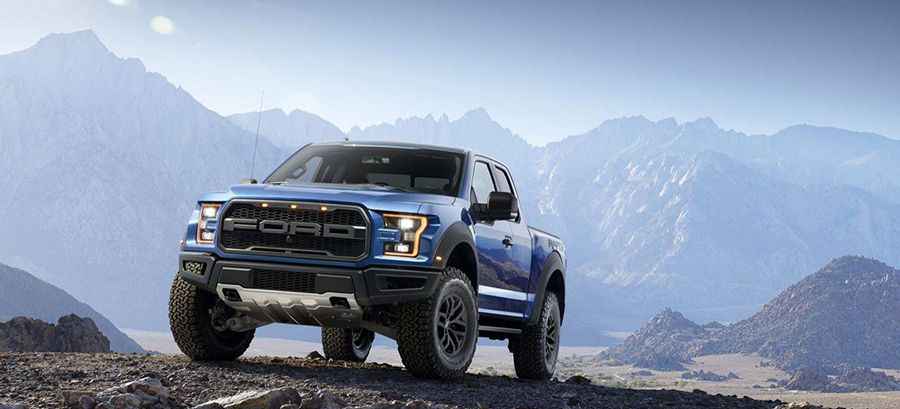
| Essential Gear: 4x4 Mods for High-Risk Roads | |
|---|---|
| Brakes | Heavy-duty pads & vented rotors (to fight heat) |
| Protection | Steel skid plates for the oil pan and diffs |
| Air Intake | Snorkel with a pre-filter for dust and water |
| Suspension | Heavy-duty shocks for washboard roads |
How to prevent brake failure on steep mountain descents?
When you are descending a pass for two hours straight, standard brakes will eventually give up. Brake fade happens when the pads and rotors get so hot they can no longer create friction, leaving you with a pedal that goes straight to the floor. To survive roads like the North Yungas or steep Alpine drops, you need to swap out factory rotors for vented and slotted versions that dissipate heat faster. Pairing them with high-friction heavy-duty pads is the only way to ensure you still have stopping power at the bottom of a 20% gradient. However, even with the best gear, relying on engine braking is your first line of defense.
Why are skid plates more important than a lift kit?
Many drivers focus on making their truck taller, but the real priority is protecting the "guts" of the machine. On rocky tracks or deep ruts, it only takes one jagged stone to rip a hole in your oil pan or smash a differential, leaving you stranded in the middle of nowhere. Installing thick steel skid plates over the most vulnerable parts is mandatory for remote travel. While a slight lift helps with clearance, the plates ensure that when you inevitably bottom out on a high-centered track, you slide over the obstacle instead of breaking a vital component that would end your trip.
How to keep your engine running in dust and water?
On remote dirt tracks, your engine’s worst enemy is the air it breathes. Standard air boxes are located low and can quickly fill with water during a river ford or choke on the thick dust kicked up by other furgonetes on the road. A snorkel is the solution, moving the air intake to the roof level where the air is cleaner and cooler. For extreme desert drives, adding a cyclonic pre-filter to the top of the snorkel is a lifesaver; it spins out the heavy dust before it ever reaches your main filter, preventing the engine from gasping for air and losing power in the middle of a climb.
Managing washboard roads and high-altitude power loss
Corrugated or "washboard" roads are a suspension-killer. The constant high-frequency vibration can cause standard shocks to overheat and fail, turning your truck into an uncontrollable pogo stick. Upgrading to heavy-duty shocks with larger fluid reservoirs helps keep the temperature down and the tires on the ground. Additionally, when you are driving above 4,000 meters in the Himalayas or the Andes, the thin air starves the engine of oxygen. Re-tuning the fuel-to-air ratio is essential to keep the torque up, ensuring you have enough "grunt" to clear steep hairpins without the risk of stalling on a narrow ledge with no room to move.