What Are the Best Roman Roads? Discover the Top Ancient Routes Across the Empire
The Roman Empire’s greatest legacy isn’t just its monuments, but its unprecedented network of military and trade routes. Over 2,000 years later, the engineering of Roman roads remains a benchmark for durability and direct-line logistics. Many of today’s modern highways in Europe follow the exact gradients and paths laid down by Roman legions.
| Ancient Engineering: Roman Road Logistics | |
|---|---|
| Total Network | ~80,000 km (50,000 miles) of paved routes |
| Engineering Feature | Extreme Straightness & Multilayer Drainage |
| Modern Usage | Base for A2 (UK), Via Appia (Italy), N7 (France) |
| Surface Material | Volcanic stone, Pavimentum (Stone blocks) |
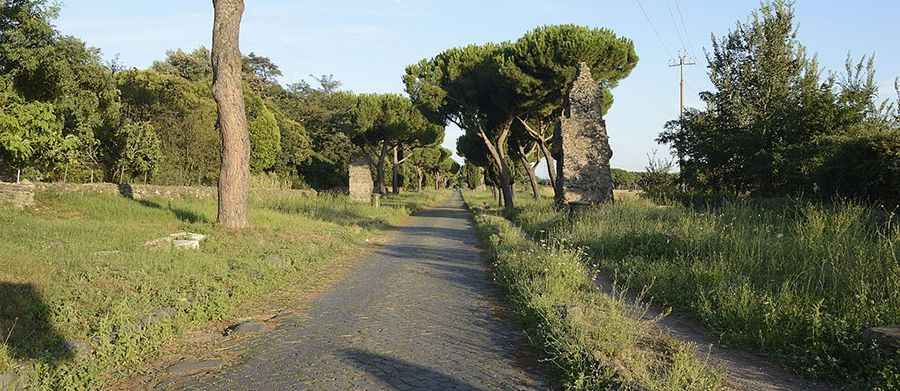
1. The Appian Way (Via Appia): The Queen of Roads
Constructed in 312 BC by Appius Claudius Caecus, the Appian Way was a masterpiece of military logistics, connecting Rome to Capua and later Brundisium. Its primary purpose was the rapid movement of troops to the south. The road was paved with massive basalt blocks, some of which are still visible today, showcasing the durability of ancient asphalt alternatives.
2. The Fosse Way: Britain’s Straightest Roman Route
Running for 182 miles between Lincoln and Exeter, the Fosse Way is famous for its "arrow-straight" trajectory. For much of its length, it never deviates more than a few miles from a straight line.
- Logistics: It served as the western frontier of Roman Britain during the early occupation. While most sections are now walking paths or buried, it remains a study in topographical engineering over varied terrain.
3. Watling Street (The A2 Modern Connection)
Watling Street was the primary arterial route from Dover to London and across to Wales. It was so well-engineered that today, long sections of it form the basis of the A2 and A5 highways. The Romans used layered gravel and stone to ensure the road remained passable even in the wet climates of Britain—a technique that modern road builders still respect.
4. Ermine Street (The Old North Road)
Running from London to York, Ermine Street was the Roman "M1". It was vital for the defense of Northern Britain. A fascinating logistical detail is that the route traveled through the Humber estuary, requiring the Romans to establish organized ferry services—precursors to modern river crossings—to maintain the flow of military communication.
5. Via Flaminia: Connecting the Coast
Built in 220 BC, the Via Flaminia connected Rome to Ariminum (Rimini) on the Adriatic coast. It was the main route for grain and military movement from the north. The road featured impressive tunnels and bridges, some of which, like the Bridge of Augustus in Narni, were among the largest ever built in the ancient world.
Why Roman Roads Still Matter for Drivers Today
Modern road trippers often find themselves driving on top of Roman history. When you navigate the perfectly straight stretches of the A2 in the UK or the historic paths of the Italian peninsula, you are experiencing the origins of road engineering. These routes were designed for speed, durability, and clear visibility—principles that still define what makes a road great today.
Pic: By Livioandronico2013 - Own work, CC BY-SA 4.0, https://commons.wikimedia.org/w/index.php?curid=34595908