Beyond the Drive: Planning for Vehicle Recovery and Road Emergencies
Embarking on a high-risk road expedition requires more than courage; it demands a fail-safe contingency plan. When you are navigating remote routes with extreme scenery and zero infrastructure, self-sufficiency is your only lifeline. Preparing for the unexpected—from mechanical failure on a 45% gradient to medical emergencies in high-altitude zones—is the hallmark of a professional explorer.
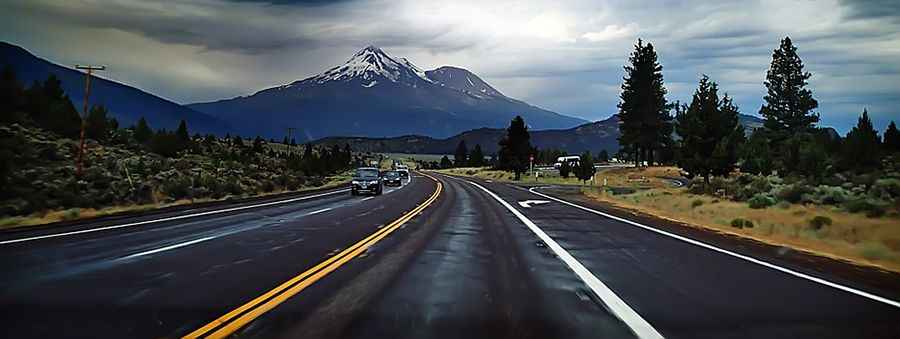
| Expedition Contingency Checklist | |
|---|---|
| Vehicle Prep | Full mechanical audit & spare fluids (Fuel/Oil) |
| Survival Gear | 48h food/water buffer & emergency tools |
| Insurance Focus | Search & Rescue, Repatriation, Off-road clauses |
| Comms | Satellite messenger (InReach/Zoleo) in dead zones |
1. Beyond Standard Coverage: Specialized Expedition Insurance
Standard auto policies are often void the moment your tires leave a gazetted public road. For intrepid travelers, specialized "Overland" or "Expedition" insurance is mandatory. You must verify if your policy covers the specific legal frameworks of your destination, such as Tort or No-Fault insurance systems, and ensure it extends to the remote regions you plan to traverse.
2. The Critical Clauses: Search, Rescue, and Recovery
On the world's most dangerous roads, a breakdown isn't just an inconvenience; it can be a life-threatening logistical crisis. When comparing plans, prioritize these three elements:
- Vehicle Recovery: Does the policy cover the cost of a crane or heavy-duty tow truck in high-altitude or mountainous terrain?
- Medical Evacuation: If an accident occurs in a region without hospitals, does your insurance cover air-ambulance or helicopter extraction?
- Off-Pavement Protection: Ensure your coverage remains active on unpaved tracks and "F-roads," which are often excluded from rental and standard agreements.
3. Mechanical Self-Sufficiency
Preparation begins in the garage. A full mechanical audit—checking brake line integrity, suspension bushings, and cooling system pressure—is non-negotiable. Carry a technical toolkit and spare "juice" (fuel and oil), as the distance between service stations on scenic routes can often exceed a standard tank's range.
4. Liability and International Legalities
Driving through different jurisdictions increases your legal exposure. In many countries, international driving permits must be accompanied by specific local liability coverage. Compare plan details to ensure your third-party liability limits are high enough to cover catastrophic incidents in foreign territories, protecting you from severe legal and financial repercussions.
Conclusion: Peace of Mind Through Preparation
Risk is an inherent part of the journey, but it must be managed. By securing specialized insurance and maintaining a high level of mechanical and personal preparedness, you shift the odds in your favor. Don't just plan for the drive; plan for the recovery. Respect the unpredictability of the road, and always have a backup plan in place.