5 of the best road trip destinations in Europe
Europe features some of the most complex road infrastructures in the world, requiring high levels of technical driving and logistical planning. From the narrow coastal ledges of the Mediterranean to the high-altitude hairpins of Scandinavia, each route presents specific challenges regarding braking systems, tire traction, and fuel management. Navigating these sectors effectively requires a professional understanding of the local topography and the mechanical limits of the vehicle.
| Technical Road Facts: European Sectors | |
|---|---|
| Amalfi Coast (Italy) | Extremely narrow / High vertical exposure |
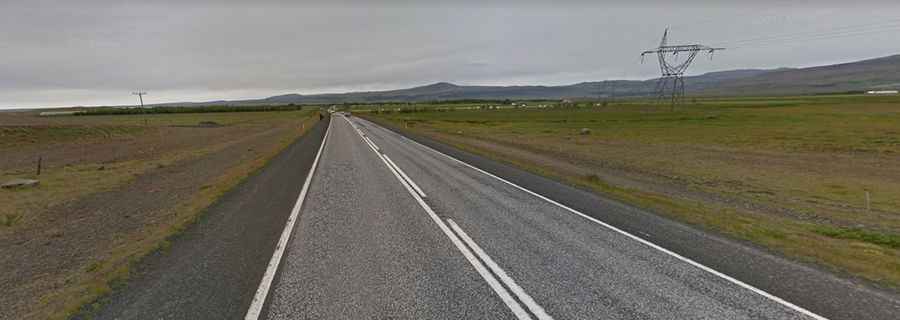
| Ring Road (Iceland) | 1,332 km / Gravel sectors / F-Road logistics |
| Trollstigen (Norway) | 11 Hairpins / 9% gradient |
| N222 (Portugal) | High-frequency curves / Chassis stress |
How to navigate the narrow logistics of the Amalfi Coast Road?
The Amalfi Coast Road (SS163) is a 50 km technical transit characterized by its extreme narrowness and blind corners. Logistically, this route is a nightmare for wide vehicles; in many sections, two cars cannot pass simultaneously, requiring advanced defensive driving and the use of passing pockets. The road is carved into steep cliffs with significant vertical drops and minimal safety barriers. Drivers must manage constant stop-and-go cycles, which puts high thermal stress on the braking system and the clutch, particularly during the high-traffic summer months.
Managing the 1,332 km logistics of the Iceland Ring Road
The Iceland Ring Road (Route 1) is a 1,332 km circuit that demands strict logistical planning. While much of it is paved, certain eastern sectors and offshoot F-roads remain unpaved, requiring 4x4 vehicles with high ground clearance. Drivers must account for "blind crests" (blindhæð) and single-lane bridges that require specific yielding protocols. Fuel logistics are critical; in remote lava fields or glacial regions, the distance between refueling points exceeds standard tank ranges for some vehicles. Additionally, high crosswinds and volcanic ash deposits can compromise engine air filtration and lateral stability.
What are the technical hazards of Norway’s Trollstigen hairpins?
The Trollstigen (Troll Route) is a mountain pass in the Rauma region featuring 11 sharp hairpin turns and a sustained 9% gradient. Logistically, this road is closed throughout the winter due to snow accumulation and avalanche risk. Navigating the switchbacks requires precise steering input, especially for vehicles exceeding 12 meters in length, which are restricted from the pass. Descending the Trollstigen is a critical test of a vehicle's engine braking capabilities; relying on service brakes alone on the 9% ramps will lead to immediate brake fade and mechanical failure.
Logistics of the Adriatic transit: Dubrovnik to Pula
Transiting the Croatian coast from Dubrovnik to Pula involves crossing the Neum corridor, which requires specific border crossing logistics and passport protocols for entering Bosnia and Herzegovina. The road (D1 / E65) follows the rugged Dalmatian coastline, where the "Bura" (strong northeasterly wind) can reach hurricane speeds, forcing the closure of bridges and exposed sectors. The technical challenge lies in the shifting friction coefficients of the asphalt, which becomes extremely slippery when wet due to the accumulation of salt and limestone dust. High-torque maneuvers are required for overtaking on the frequent two-lane mountain climbs.
The N222 and Portugal’s Douro Valley driving mechanics
The Estrada Nacional 222 has been technically analyzed for its "perfect" ratio of curves to straightaways, but this translates to a high-intensity workload for the driver’s arms and the vehicle’s suspension. The 27 km sector through the Douro Valley involves constant weight transfers that stress the chassis and tires. Further south, the coastal logistics of the Algarve and Cape St. Vincent present high-wind hazards and salt-air corrosion. Ensuring optimal tire pressure and checking suspension bushings are mandatory protocols for maintaining directional control on Portugal’s high-frequency cornering sectors.