Driving in the Faroe Islands: What Every Traveler Should Know
Exploring the Faroe Islands by car is easily the best way to experience this remarkable North Atlantic destination. With direct flights arriving regularly from Copenhagen, London, and several major hubs across Europe, getting here is simpler than many travelers expect.
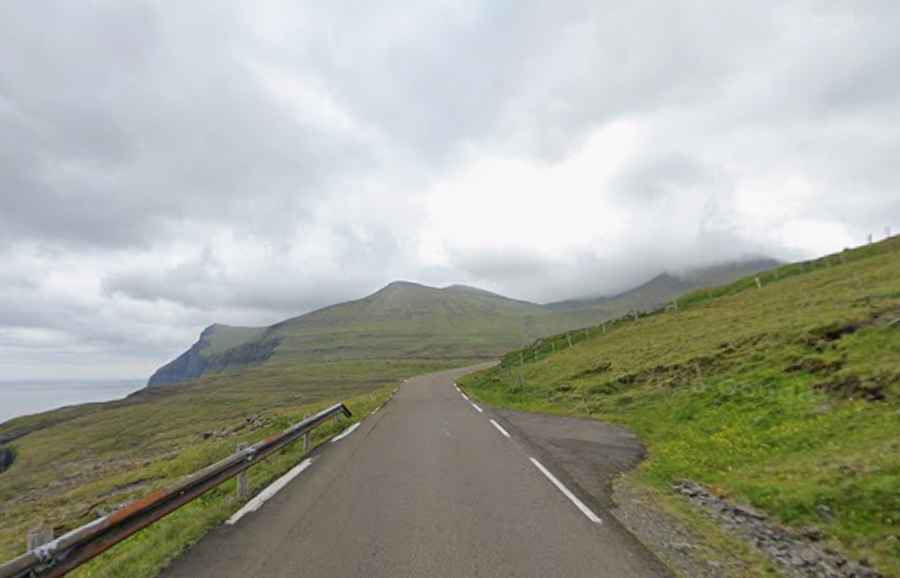
Once you land, having your own vehicle gives you complete freedom to explore dramatic sea cliffs, quiet coastal villages, and hidden waterfalls at your own pace. Still, driving across these eighteen volcanic islands comes with a few local rules that are worth knowing before you pick up your keys.
Navigating Single Lane Tunnels and Mountain Roads
The road network across the islands is modern and well maintained, connecting almost every major island through scenic bridges and tunnels. If you are arriving from the United Kingdom, the first thing to keep in mind is that traffic drives on the right side of the road, just like in Denmark and mainland Europe.
While most routes are wide and straightforward, you will encounter several older tunnels carved directly through the mountains that only have a single lane for both directions of traffic. Along the walls of these narrow tunnels, you will notice small passing bays marked with blue signs. The rule here is simple. If the passing bay is on your right side, you pull in and wait for the oncoming vehicle to pass. Always keep your headlights switched on as well, since local law requires headlights to be lit at all times, even during bright summer days.
Subsea Tunnels and Automatic Tolls
Driving beneath the ocean is a normal part of daily travel here. Several islands are linked by impressive subsea tunnels, including the famous Eysturoy tunnel that features an illuminated roundabout deep under the sea floor.
You will not find any toll booths or payment machines at the tunnel entrances. Instead, overhead cameras automatically scan your license plate as you drive through. Many visitors from Denmark, the UK, and across Europe prefer booking with a trusted local company like A2B Car Rent when arranging a Faroe Islands car rental, because their team handles the tunnel registration for you right at Vágar Airport. Having local experts walk you through how the toll system works before you leave the parking lot takes away any guesswork during your holiday.
Respecting the Weather and Local Wildlife
In the Faroe Islands, weather conditions can change within minutes. A clear, sunny morning can quickly turn into thick coastal fog or brisk rain. Slowing down whenever visibility drops is essential, especially on higher mountain passes.
Strong gusts of wind are another factor to keep in mind. Whenever you park at a scenic viewpoint, hold onto your car door with both hands before opening it so the wind does not catch it and bend the hinges. You will also share the countryside with thousands of free roaming sheep. They frequently wander onto the warm asphalt or rest near blind corners. Always reduce your speed when you spot sheep near the road, and only pull over in designated paved parking areas rather than stopping on the grass.
Choosing the Right Vehicle for Your Trip
Because many scenic routes involve steep inclines and winding coastal roads, renting a vehicle with an automatic transmission makes the driving experience far more relaxing. This is especially helpful if you are adjusting to driving on the right side of the road for the first time. An automatic allows you to keep both hands on the wheel and focus on the views rather than shifting gears on steep hills. Adding gravel protection to your booking is also a smart decision, as several roads leading to remote viewpoints feature loose stones.
Frequently Asked Questions
Can I drive in the Faroe Islands with a UK, Danish, or European driving license?
Yes. Standard driving licenses issued in Denmark, the United Kingdom, and across Europe are completely valid here, provided the license is current and printed in the Latin alphabet.
Which side of the road do you drive on in the Faroe Islands?
Traffic drives on the right side of the road, following the same standard rules as Denmark and continental Europe. Drivers traveling from the UK should take extra care at roundabouts and when pulling out of parking areas.
How do I pay for subsea tunnel tolls in a rental car?
There are no physical toll booths on the roads. Cameras automatically register your license plate, and your rental provider will settle the final tally with you at the end of your trip.
Are the roads safe to drive during rainy or windy weather?
Yes, the main roads are paved and regularly maintained. However, coastal fog, rain, and strong winds are common, so driving at a calm pace and checking local weather forecasts before heading out is always recommended.
Can I park on the side of the road to take photos?
You should only stop in marked, paved pullouts or designated parking areas. Parking on the grass damages the fragile local environment and creates hazards for other drivers.
Ready to Start Your Island Adventure?
Planning ahead makes all the difference when exploring such a unique landscape. If you are preparing for an upcoming trip from the UK, Denmark, or anywhere in Europe and want reliable airport pickup, transparent tunnel billing, and local support throughout your journey, you can check live vehicle availability and book directly at a2bcarrent.fo.