Why Are Costa Rica’s Roads So Dangerous?
We often plan a road trip around the places we want to reach. Beaches, forest trails, and mountain stays fill our lists before we think about the roads between them. Yet those drives deserve a closer look.
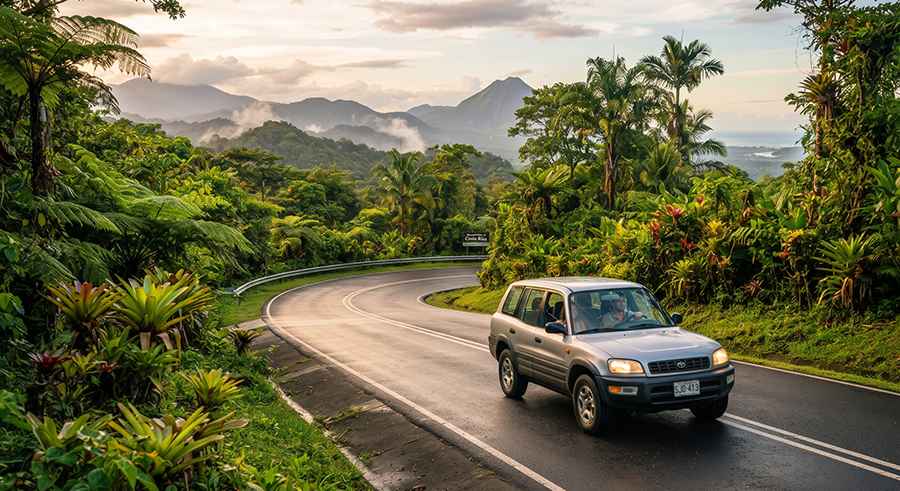
A short distance can include sharp bends, steep climbs, or stretches where passing is difficult. We also need to consider what happens when rain arrives, or daylight starts to fade. These details should shape our plans from the start. We do not need to treat every journey as a cause for concern. We need to understand what each route asks of us. That helps us choose realistic travel times and leave space for a slower, more comfortable drive.
Our choice of vehicle belongs in that discussion too. Before renting a car in Costa Rica with Jumbo Car, we should share our planned route and ask which vehicle suits the road conditions. We should also confirm insurance coverage, road restrictions, and roadside assistance before booking. Those checks help us make an informed choice without assuming a larger car can handle every situation. This guide explains the risks linked to road layout, rain, low light, and driving habits. We will also cover the steps worth taking before each transfer. We aim to prepare well enough that we can change plans calmly when conditions demand it. With fewer rushed decisions and more room in our schedule, we can give the road our full attention and arrive ready to enjoy the next stop.
What makes narrow roads and sharp bends harder to handle
Costa Rica’s roads vary, so one smooth journey tells you little about the next. Main routes are generally in better condition than some smaller rural roads. Elsewhere, rough surfaces, sharp curves, and limited signs demand close attention. Narrow bridges can reduce the available space to a single lane. Each feature gives you less room to correct a late decision. The challenge grows when several appear along the same stretch.
Adjust your speed to the road you can see ahead. Slow before a blind bend rather than braking hard within it. Approach narrow bridges with enough time to read signs and yield. Keep space behind the next vehicle so you can spot surface damage early. Avoid sudden swerves around potholes when traffic is close beside you. A steady approach gives you more time to judge what comes next.
- Read bridge signs before entering and yield where required.
- Avoid passing when bends or hills block your view.
- Leave extra space when the surface becomes rough or uneven.
- Allow more travel time for narrow roads and unfamiliar junctions.
How heavy rain and darkness reduce your margin for error
Rain affects more than whether you need the windshield wipers. Heavy downpours can damage road surfaces and trigger landslides that block routes. Standing water can hide holes, broken edges, and unexpected changes in depth. Wet pavement also reduces the grip available for braking and turning. Mountain mist can shorten the clear stretch ahead of your car. When these conditions overlap, slow down before you reach a difficult section.
Darkness makes road edges, bends, pedestrians, and animals harder to spot. Poor lighting leaves fewer clues about what lies beyond your headlights. Plan longer transfers for daylight and allow time for traffic delays. If visibility becomes too poor, find a safe place to stop. Never enter floodwater or drive around a closure to keep your schedule. Waiting is a sound choice when the route ahead is unsafe.
- Check weather forecasts and road alerts before longer journeys.
- Ask your accommodation about conditions on the final access road.
- Follow official closures instead of accepting an unverified shortcut.
- Leave early enough to reach your destination before dark.
What to check before sharing the road with unfamiliar traffic
Other drivers can add risks even when the road looks straightforward. Speeding, unsafe passing, and ignored traffic lights are recognized concerns. You cannot control those choices, but you can leave room to respond. Avoid matching another driver’s pace when it feels unsafe. Prepare before departure so avoidable distractions do not compete for your attention.
1. Give each journey a realistic schedule
Treat the travel time on your map as an estimate. Include breaks, slow traffic, and time to find your accommodation. Remove an optional stop if keeping it would force you to rush.
2. Check the vehicle and learn its controls
Inspect the tires, lights, and wipers, and report faults before leaving. Learn how to clear the windshield and operate the lights while parked. Save the rental company’s assistance number where you can find it quickly.
3. Keep route decisions away from the wheel
Set navigation before moving and ask a passenger to handle directions. Stop safely before checking messages or changing your route on a phone. Stay rested and keep alcohol out of driving days.
Choose a vehicle around the roads you actually intend to use. Many paved routes do not require four-wheel drive, while rough approaches may need more clearance. Confirm access requirements before booking rather than assuming every SUV offers the same abilities.
How we can leave more room for a safe and enjoyable trip
Costa Rica’s road risks come from several factors working together. Narrow sections, sharp bends, changing weather, and unsafe driving can all reduce our room for error. We can respond by choosing suitable transport and giving each transfer enough time. Our plans should let us slow down without feeling that the whole day is slipping away. Before departure, let’s check road access, settle rental questions, and keep longer drives within daylight. A flexible schedule gives us the freedom to wait or change course when needed. Share your route with the rental team, confirm the details with your accommodation, and make safe arrivals the starting point of your road trip.