Italy's Apennine Roads Are More Dangerous Than You Think
Most drivers driving through Italy never drive past the Autostrada. However, those who do often experience the secondary roads that cut through the Apennine spine.
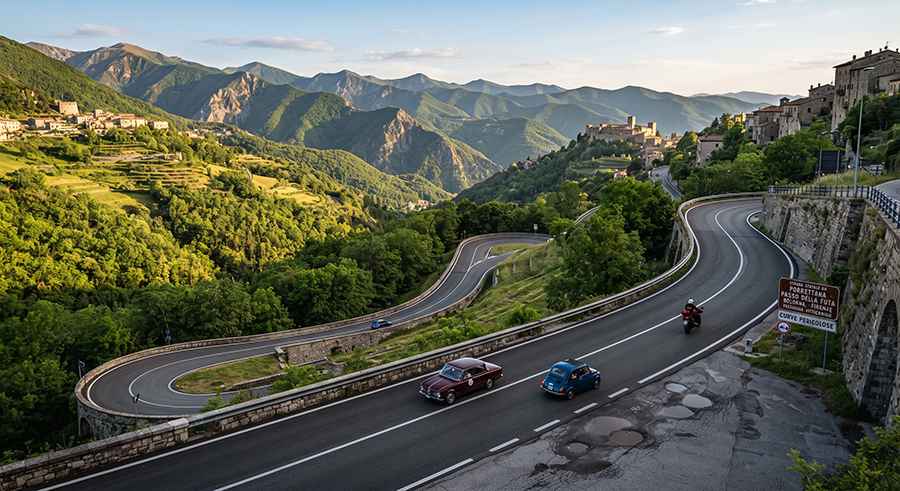
While the autostrada might seem romantic, the secondary roads are far from it. Yes, they're beautiful but not forgiving. These roads have always demanded respect and the complete attention of drivers.
A Mountain Spine That Was Never Built for Speed
Before we go any further, let us understand what the Apennines mean to Italy. They run like a backbone through the entire Italian peninsula, which means approximately 1500 kilometers from the northern plains to the toe of Calabria. Their location meant they had to be crossed. The mountain roads that developed through these passes followed mule tracks and ancient trade routes carved into terrain that offered no flat ground and little mercy.
Gradients were steep, surfaces were poor, and the weather could change within minutes. These were roads built by necessity, not engineering.
The landscape determined the route and not the way around. Every drop, pass, and bend could be in clouds for days at a time, hampering both safety and visibility.
This was until the motorway came to the rescue and buried much of these secondary roads in history by offering fresh asphalt tunnels, but anyone who even today ventures beyond it onto the secondary roads has to tread through the same passes and mountains, welcoming them with the same dangers.
How Dangerous are Italy's Apennine Roads?
The numbers tell a story that the scenery hides. According toISTAT, Italy's official statistics institute, rural roads outside motorways record 4.63 deaths per 100 accidents, more than four times that of urban roads. The Apennine secondary roads fall in that category.
These are not only statistics. They are what drivers actually face on rural roads. Many roads are steep, exposed to bad weather, and not maintained. A small mistake can have severe consequences on these roads.
Fragile on Unforgiving Routes
These routes were often used to carry fragile cargo due to their location. Southern Italy's production centers sent everything northward through the Apennines: olive oil, marble, silk, and far more fragile things.
Naples sat at the heart of this trade as its workshops produced Capodimonte porcelain for wealthy collectors across Europe, which meant transporting delicate figurines, painted tableware, and so on.
By the 1860s, Naples had also become the global centre of mandolin manufacturing, sending thousands of instruments annually to America. The mandolin's construction and thin soundboard made it vulnerable to the jolts and drops these roads delivered without warning.
Such large-scale losses were the cost associated with such roads.
The Dangers That Still Exist Today
Today, the bulk of the traffic moves across the motorway but steps off onto the secondary roads, and the hazards haunt you. Crumbling asphalt, absent guardrails, fog that descends without warning, and bends designed to test your driving skills.
Should You Drive on Them?
If you know what you're getting into, surely yes, you can drive on them for the scenery and the isolation that these motorways provide. With that being said, you need proper preparation like winter tyres, driving during daylight hours, and an honest assessment of your driving skills. You need to respect the terrain, and it warns you, but if you underestimate it, you can become part of the statistics as well.