The Winter Road to Val Thorens
Val Thorens sits at roughly 2,300 metres, which makes it the highest ski resort in Europe. That altitude is the whole appeal, and it is also why the last hour of the drive deserves respect. You do not drift up there. You climb, steadily, for a long time.
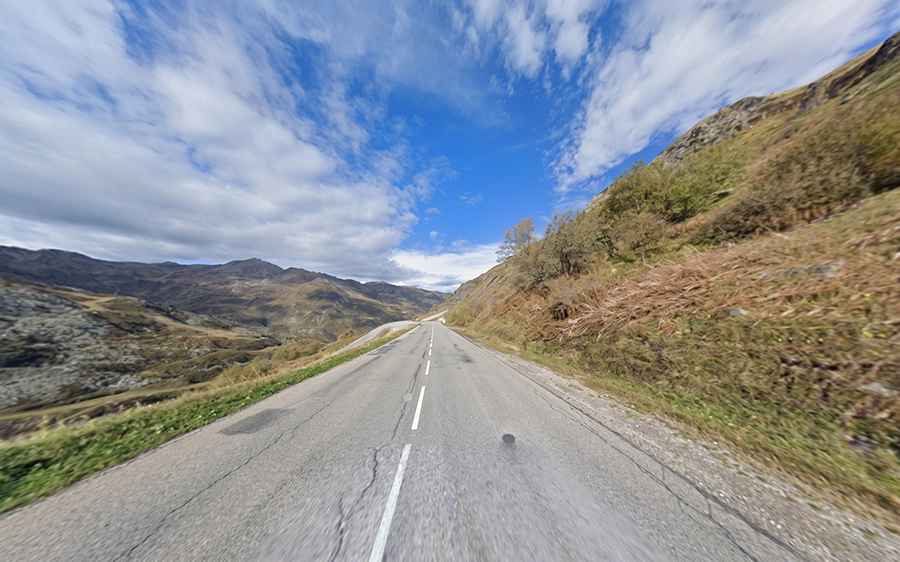
Most British skiers land at Geneva and travel on from there. Booking a Geneva to Val Thorens transfer covers the motorway leg and the mountain leg in one booking, which is worth knowing because the two halves of the journey have almost nothing in common. The first is ordinary French autoroute. The second is a valley road that gains well over a kilometre of height before it lets you stop.
Where the road changes character
The motorway runs past Annecy and Albertville into the Tarentaise. Moutiers is the pivot. From there you turn up the Belleville valley, climb past Saint-Martin-de-Belleville and Les Menuires, and keep going until the trees thin out and quit.
This is not a goat track. The Belleville road is properly built and cleared through the season. What catches drivers out is the sustained nature of the climb rather than any single hairpin. You are turning, braking and climbing for a long stretch, usually in traffic, sometimes in falling snow, at the end of a day that started before dawn in Britain.
Winter conditions on the climb
Ploughs work this valley hard, but weather still wins occasionally. Heavy snowfall slows everything to a crawl, and on the worst days chains go on partway up. If you are driving yourself, check the winter equipment rules for French mountain roads before you leave, and confirm that a hire car actually comes fitted for them rather than with a note in the glovebox.
Things worth knowing before committing to the wheel:
- Saturday is changeover day, so the valley carries a whole resort arriving and leaving at once
- Fuel, cash machines and a proper supermarket are easier in Moutiers than anywhere above it
- Val Thorens parking is organised into large car parks rather than street spaces
- Daylight matters more than distance, because the climb reads very differently in the dark
How long it takes
In clear conditions the full run from Geneva tends to land around three hours. In snow, or on a peak Saturday in February, add to that and treat any estimate as a guide rather than a promise. Anyone who quotes you a fixed number for an Alpine valley road in midwinter has not driven it enough times.
The return leg deserves the same caution. Flights get missed on this road far more often than they get missed at the airport, usually because someone budgeted for a summer drive and got a winter one.
Driving it or being driven
Plenty of people drive the Belleville climb happily and enjoy it. If you have winter experience, decent tyres and no rush, it is a good road with serious views. If you are landing tired, carrying ski bags for four, and doing the whole thing after a 6am flight, the calculation shifts. Being driven means you can look out of the window instead of watching the vehicle in front.
Either way, the sensible move is to build in slack. Book the first evening loosely. Do not schedule anything that punishes you for arriving ninety minutes late.
What the road gives back
The Belleville valley is one of those drives where the landscape keeps escalating. Saint-Martin still looks like a working village. Les Menuires marks the point where the treeline starts to lose interest. Then the last section opens out into high, bare terrain and you understand why the snow up there holds so well into spring.
Get the timing right and the drive is part of the trip rather than the toll you pay for it. Get it wrong and you spend three hours staring at brake lights. The road is the same either way; the difference is how you plan for it.