Dashcams Across Borders: What's Legal, What's Not
It’s hard to argue against the claim that every driver needs a dashcam, especially if they drive long distances. It’s your first line of defense against drivers who crash into you and lie, all while giving you a record of roads and views you might want to look back on later.
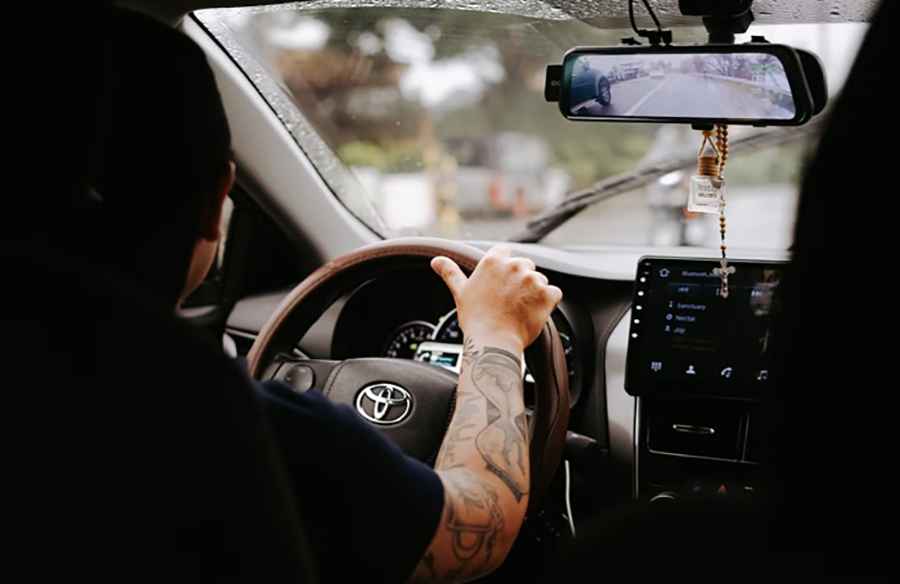
At least, such is the case in countries where it’s legal. After all, most drivers forget, or are completely unaware, that a dashcam’s legality can differ between countries. In some countries, you can use it however you like. In other places, there are some caveats. And in others, just having one can be illegal.
That's why, if you cross the wrong border while recording, you can go from documenting a road trip to breaking privacy law. Here's a list of countries that allow it, restrict it, or ban it outright, so you know before you cross.
Where Dashcams Are Simply Part of Driving
In the following countries and regions, dashcams are legal, common, and largely unregulated:
- United States
- Canada
- Australia
- Russia
- Most of Eastern Europe
Insurers in these countries heavily encourage using recording devices, since footage is crucial to speeding up claims, settling fault disputes, and avoiding frustrating back-and-forths.
Russia, in particular, stands out for its dashcam culture. Russian drivers just record and share dashcam footage online, so much so that it’s become an entertainment niche there, with entire compilation channels dedicated to dashcam footage.
In these countries, the camera is a non-issue: get one, mount it, record, and drive.
Where It Gets Complicated
Germany sits in a noteworthy gray zone because so many cross-border European road trips pass through it.
Technically, continuous recording of public roads runs against German data protection law. However, the country’s highest civil court has since set a precedent: In 2018, Germany's Federal Court of Justice ruled that dashcam recordings can be used as evidence in an accident dispute despite the fact that they violate data protection regulations. Courts must come to a decision on a case-by-case basis to navigate this contradiction.
France is similar to Germany: no dashcam-specific law, but continuous recording also goes against GDPR and France’s own privacy code. Courts must therefore also weigh using footage as evidence against privacy rights.
Meanwhile, in Belgium, recording using a dashcam for “domestic” purposes is permitted (for example, recording your trip). However, should footage be used for insurance claims or as evidence in court, users must register the camera with Belgium's data protection authority.
Where Dashcams Cross Into Illegal Territory
Three countries in Europe have particularly strict dashcam laws.
Austria treats continuous dashcam recording as a form of unauthorized video surveillance, and fines can run into the thousands of euros. Only cameras that record if something happens (i.e., an emergency with an impact sensor) are legal.
Portugal and Luxembourg restrict dashcam use itself, not just the publication of footage; Luxembourg bars in-vehicle use outright, and Portugal is treated as a de facto ban by travel and insurance advisories."
Switzerland doesn't have an outright criminal ban either, but Swiss privacy law generally requires that anyone captured on camera give consent before footage of them is used. This makes continuous public-road recording legally shaky in practice, even without a specific "dashcam law" on the books.
What This Means for a Road Trip
Most of the legal difficulty (especially in Europe) about dashcam use isn’t about the device itself but about privacy regulations, thanks to the GDPR. As such, it’s worth taking the time to do research about your route and the countries you’ll be passing through.
Still, the law isn’t exactly clear-cut in many countries. But if you really wish to stay on the side of caution, simply unplug your dashcam and stow it out of sight when you’re about to cross into Austria, Portugal, Luxembourg, or Switzerland. Even rental cars aren’t exempt from this, as local law applies to whoever is driving and wherever the car is from.
And if you're managing dashcam firmware or a companion app that's geo-restricted to your home market, which some manufacturers do for cloud backup features, routing your connection through a VPN with US servers while abroad can keep the app functional without having to reconfigure the account from a foreign country.
Either way, in such places, it’s the perfect excuse to stop worrying about recording and just take in the views!