Mauna Kea Access Road: Hawaii's Steepest, Strangest Drive to the Clouds
Most people think of Hawaii as beaches and coast roads. The Big Island hides something far more demanding: a road that climbs from sea level to nearly 13,800 feet in under two hours of driving, through more climate zones than almost any stretch of pavement on earth.
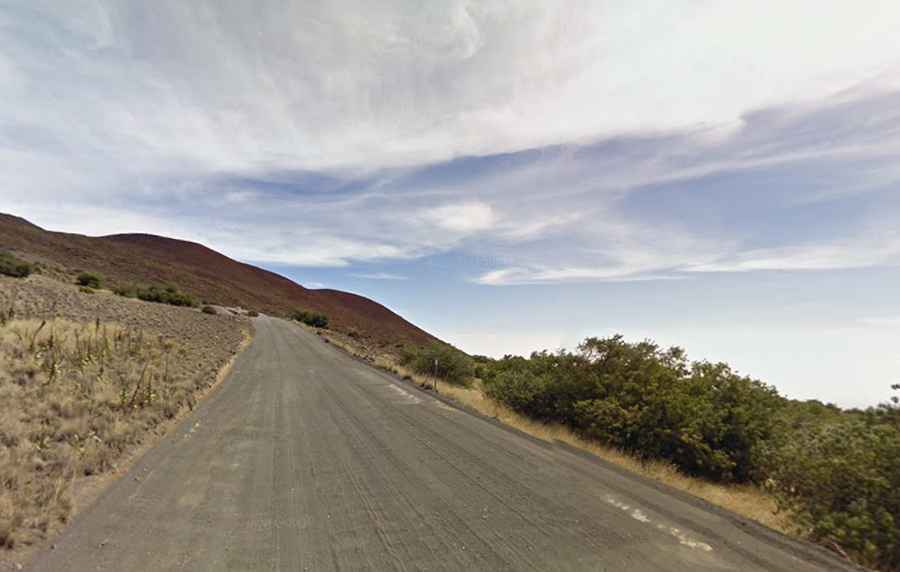
The Mauna Kea Access Road is not dangerous in the cliff-edge sense. It is dangerous in the way high, steep, unpaved altitude roads are dangerous, and it deserves respect from anyone who points a vehicle up it.
The lower section is straightforward, a paved climb off Saddle Road to the Visitor Information Station at 9,200 feet. Stop here. The altitude is already working on you, and the rangers ask every driver to acclimatize for at least half an hour before going higher. Above the station the character of the road changes completely.
From the visitor station to the summit, the road turns to steep, loose gravel for much of its length, with grades that reach around 15 percent and sheer drop-offs of altitude on either side. This is why the mountain has a hard rule, and the rangers enforce it: no two-wheel-drive vehicles past the visitor station, full stop. The descent is arguably the greater hazard. Ride your brakes down eight miles of steep gravel from 13,800 feet and they can overheat and fade to nothing. Low gear, engine braking, and a vehicle actually built for it are not suggestions here.
Which is where most visitors get caught. The big rental chains at the airport forbid Mauna Kea's summit road outright in their fine print, so the SUV you upgraded to at the counter will not cover you, and their roadside assistance will not come up the mountain to retrieve you. The travelers who make the summit sort this out before they fly, arranging a proper four-wheel drive for the Mauna Kea Access Road from a local company that actually permits the climb, so the vehicle is waiting for them when they land, keys ready, no counter and no line. It is the single decision that determines whether you see the summit or turn back at the gravel.
If you time it for late afternoon, you reach the top as the sun drops below the cloud deck beneath you, the observatory domes going pink, the air thin and cold enough for a real jacket on an island where you swam that morning. After dark the stargazing here is among the best on the planet. Bring far more warm clothing than instinct suggests.
The Big Island rewards drivers who match the vehicle to the road, and not every road here climbs. Down at sea level the coast highway north of Kona is the opposite kind of pleasure, an unhurried cruise with the Pacific flat and silver on one side and black lava on the other, and it is the sort of road that makes the case for a convertible for the Kona coast roads at golden hour. One island, two roads that could not be more different, and both worth getting the car right for.
Respect the mountain, sort the vehicle before you arrive, and Mauna Kea will give you one of the great drives of your life.