Planning the Ultimate Weather-Proof EV Road Trip
British weather has a habit of changing without warning. Sunshine can quickly give way to heavy rain or even hail, especially on longer journeys. For EV drivers, those conditions can influence battery efficiency and travel times. Fortunately, a little preparation helps you stay ahead of the forecast. When you understand how weather affects your vehicle and build flexibility into your route, you can spend less time worrying about range and more time enjoying the scenery that makes a UK road trip worthwhile.
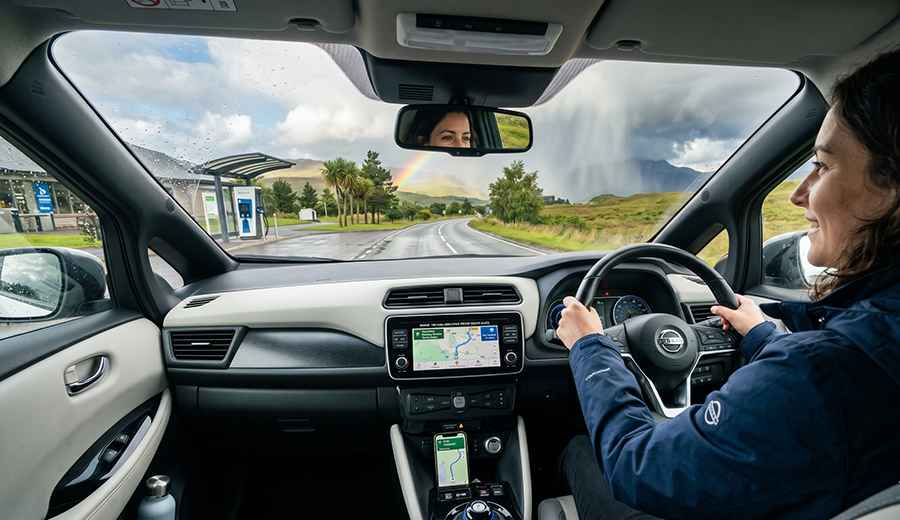
Chasing Views (and Chargers) Across the UK
Apps such as Zap-Map and A Better Routeplanner (ABRP) allow you to plot high-powered ultra-rapid chargers rated at 150kW or more alongside scenic stops. Rather than viewing charging as a delay, you can use those breaks to explore. A stop near a viewpoint in the Peak District or along the North Coast 500 gives you time to stretch your legs while your battery gains useful range. Checking recent user reviews before departure can also help you avoid chargers that drivers have reported as busy or temporarily unavailable.
Preparing for the Elements
Rain and strong winds force your EV to work harder, which can reduce range. Poor visibility also increases driver fatigue, particularly on unfamiliar roads. Check forecasts along your route before setting off. If severe weather looks likely, leave a larger battery buffer than you normally would. Good tyre tread and topped-up screen wash make a noticeable difference when conditions deteriorate.
What to Do in the Event of a Mishap
If you experience a breakdown or become involved in a weather-related car accident, safety should be your first concern. Move to a safe place if conditions allow. Keep a charged phone and reflective jacket within easy reach rather than packing them deep inside the boot. Many modern EVs can share your location with roadside assistance services, helping support teams find you more quickly. Photographs of the scene and vehicle damage can also prove useful when dealing with insurers.
Keeping Warm Without Draining the Battery
Blasting the cabin heater is the fastest way to drain your EV’s range by up to 20%, particularly during winter journeys. Precondition the cabin while the car remains plugged in. Heated seats and steering wheels usually consume far less energy than heating the entire interior, allowing you to stay comfortable without sacrificing as much range.
Survival Snacks and Entertainment for the Kids
Pack snacks that release energy steadily, such as fruit and sandwiches. Download films and games before leaving home because mobile signals often weaken in rural areas. When you stop to charge, children can stretch their legs while the battery tops up, making the next stage of the journey more enjoyable for everyone.
The Journey Matters More Than the Forecast
One of the biggest advantages of driving an EV is that it encourages a more relaxed approach to travel. Charging stops naturally break up long hours behind the wheel, creating opportunities to discover places you might otherwise drive straight past. Instead of treating changing weather as an obstacle, you can view it as part of the experience. With the right preparation, your road trip becomes about enjoying the journey.