Stelvio Pass: Europe's Most Thrilling Road and the Best Way to Experience It
2,758 metres above sea level. 48 hairpin bends. Zero guardrails on the worst corners. The Stelvio Pass in northern Italy isn't a road you plan around - it's a road that plans itself around you.
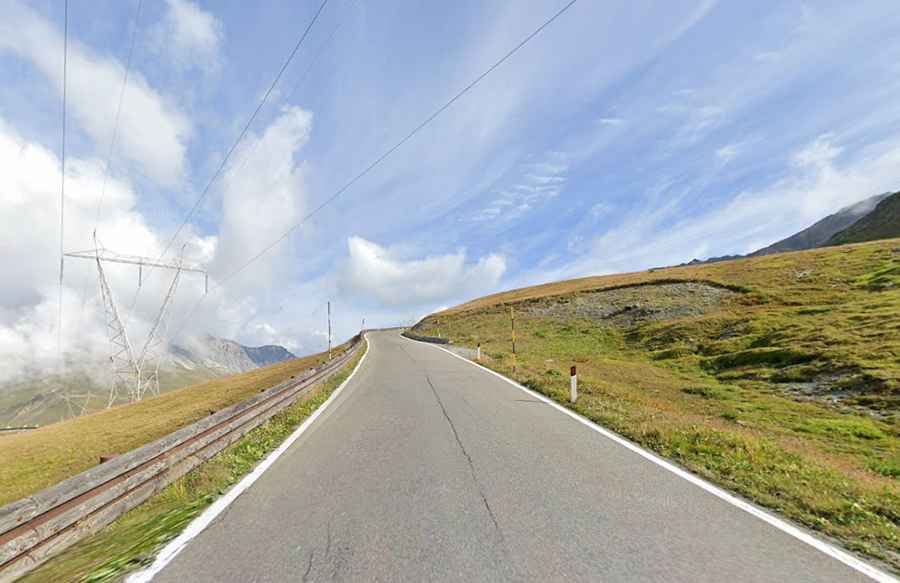
My neighbour sold his Ducati after driving the Stelvio. Not because it scared him - because nothing else would ever come close. That's the effect this road has on people. Once you've pressed your palms into a steering wheel at 2,758 metres, watching a wall of rock rise on one side and an unguarded cliff edge fall away on the other, ordinary driving feels a little flat.
The Passo dello Stelvio sits on the border between South Tyrol and Lombardy in northern Italy. It connects the Valtellina valley near Bormio to the Vinschgau valley in Alto Adige, threading through the Ortler Alps in a way that seems physically impossible. The road was built between 1820 and 1825 under the orders of the Austrian Empire - a military supply route that took five years of hand labour to carve out of the mountain. Two centuries later, it's a UNESCO World Heritage candidate and a bucket-list fixture for drivers and motorcyclists worldwide.
What Makes Stelvio Different From Other Alpine Passes
Most mountain passes give you the drama in one or two bursts. Stelvio gives it to you for 24 kilometres straight.
The eastern approach from Bormio is the classic route - the one that ends up in photographs, posters, and every driving programme that's ever been made. You start in a forested valley at around 1,225 metres and climb 1,533 metres of vertical gain through 48 numbered hairpins. The hairpins are so tightly stacked near the summit that from the right angle, you can count four or five above each other like floors in a parking garage built by someone who hated parking.
The western approach from Prato allo Stelvio is quieter, longer, and in some ways more beautiful - you follow the valley floor before the mountain road reasserts itself with a series of sweeping curves and sudden drops. Most people do it as a loop, coming up one side and descending the other, parking at the top for lunch.
The summit itself is a small village of sorts: a cluster of hotels, a cafe selling Strudel and Gluhwein regardless of season, a souvenir stand, and a constantly changing crowd of motorcyclists, cyclists, and tourist buses. On a clear July day, it can feel almost festive. The moment clouds roll in - which happens fast at this altitude - you are reminded that the Alps are not decorative.
When to Go and What to Expect
The Stelvio Pass is closed from November to late May or early June, depending on snowfall. The sweet spot is July to mid-September. In June, the road has usually been ploughed open but snow banks can line both sides - visually spectacular and practically cold. August is peak season - expect company on the hairpins, especially on weekends. September offers thinner crowds, cooler temperatures, and the kind of angled alpine light that makes every photograph look like it was taken on purpose.
Early mornings are the Stelvio's best-kept secret. Before 9am, you'll often have entire sections of switchback to yourself. The road surface is generally good - it's maintained religiously - but wet conditions demand respect. The road drains slowly at the top, and in the shade of a cliff face, tarmac can stay damp well into the afternoon.
Planning Your Trip: Getting There and Where to Sleep
The nearest large town to the eastern ascent is Bormio - a spa town with Roman-era thermal baths and a proper high street. It's worth a night or two on its own merits. To the west, Prato allo Stelvio and Spondigna are smaller but convenient entry points.
For drivers doing a wider Alpine road trip - perhaps combining Stelvio with the Mortirolo, Gavia, or Grossglockner - planning accommodation along the route matters. Spontaneous stops can work in shoulder season; in August, the valleys fill up fast.
Trip1.com hotel search covers the full range from Bormio's spa hotels to family-run guesthouses in Glorenza and Silandro just down the Vinschgau on the western side. Book early - towns closest to the summit fill up weeks ahead in July and August, and you don't want to be staying 40 kilometres down the valley if the morning plan is to hit the hairpins before the tour buses arrive.
For a broader look at base options across the region, trip1.com lets you compare stays across multiple towns at once - useful if you haven't yet decided which side of the pass to sleep on.
The Road Itself: A Driving Guide
From Bormio (east): The first ten kilometres are warm-up - moderate curves through pine forest, gaining altitude gradually. Then the hairpins begin in earnest. They are numbered, and watching the count climb toward 48 as you switchback up the face is its own small drama. The corners are tight but well-surfaced. The drops beside them are real. Keep your line, take your time, and use the designated passing points when traffic comes the other way - this is a two-way road with one-car width in several spots.
From Prato allo Stelvio (west): Longer approach, fewer hairpins (around 34), and more varied scenery. The final kilometres before the summit on this side are less congested and feel more remote.
The summit: At the top, pull off, get out, and look at the hairpins below you. This is the photograph. The one everyone takes. Take it anyway. It earns its place.
Cyclists: Stelvio is one of the Giro d'Italia's most celebrated climbs. If you're driving, give cyclists room - they've earned their altitude.
What to Take With You
- Fuel in Bormio. There's a petrol station at the summit, but prices reflect the geography.
- Layers. The summit runs 10-15 degrees cooler than the valley. July in a t-shirt at the bottom is October weather at the top.
- Time. Don't rush the Stelvio. It rewards the people who stop, look, eat something, and go back down slowly.
- A mechanical check. Brakes take a serious workout on descent. If there's any question about pad wear, answer it before you leave.
The Road in Numbers
| Stat | Value |
|---|---|
| Summit elevation | 2,758 m (9,049 ft) |
| Hairpin bends (east face) | 48 |
| Total road length | ~24 km |
| Open season | June - October |
| First construction | 1820-1825 |
| Location | Italy (Alto Adige / Lombardy) |
Final Word
The Stelvio Pass is not the world's most dangerous road. It's not the highest. It's not even the most remote. What it is, consistently, is the most complete road driving experience in Europe - a route that combines engineering history, alpine scenery, and enough sustained technical driving to remind you why the whole enterprise matters.
Lock in your base before the season starts. Search for hotels near Bormio early - the good ones go fast. The road will take care of the rest.
Seasonal access dates subject to annual snowfall conditions - check local authorities before travel.