From Motorways to Meeting Rooms: The Logistics of the Modern Corporate Retreat
For many professionals, the journey is as much a part of the business strategy as the meeting itself. As corporate teams look to escape the congestion of major metropolitan hubs, the logistics of the "coastal retreat" have become a focal point for event planners. Moving a team from the arterial motorways of the UK to the serene environment of the South Coast is more than a change of scenery—it’s a calculated move to improve mental clarity and team cohesion.
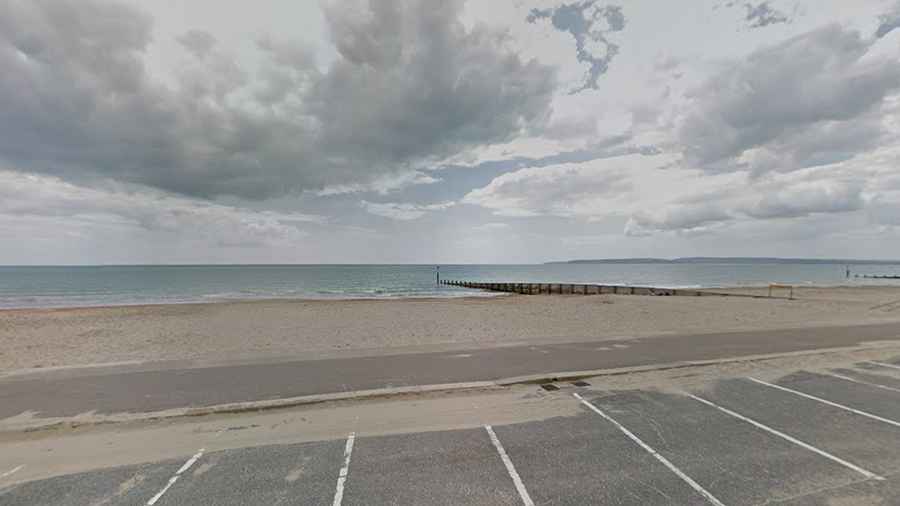
The Geography of Productivity
The South Coast of England, particularly around Bournemouth, has transformed from a seasonal holiday destination into a year-round hub for the MICE (Meetings, Incentives, Conferences, Exhibitions) sector. The reason is simple: accessibility paired with atmosphere. Situated at the end of a well-connected road network and just a two-hour rail journey from the capital, it offers a "reset" point that doesn't require the complex logistics of international travel.
Why "Blue Spaces" Matter for Strategy
Environmental psychology highlights that proximity to the coast—often referred to as "blue space"—can significantly reduce the fatigue associated with high-pressure corporate environments. In a traditional city boardroom, the "four walls" effect can stifle innovation. Conversely, a coastal setting provides:
- Visual Expansion: The horizon of the English Channel encourages long-term, strategic thinking.
- Acoustic Change: The ambient sound of the coast naturally lowers cortisol, making for more productive negotiations.
- The "Bleisure" Factor: The blending of business and leisure (bleisure) ensures higher delegate engagement, as the location itself acts as an incentive.
Selecting a Strategic Venue
When evaluating a location for a high-stakes meeting, the criteria have shifted. Modern organizers are no longer looking for generic spaces; they seek venues that offer architectural character and technological reliability. High-speed synchronous Wi-Fi and modular AV setups are now the baseline, but the "prestige factor" of the building often dictates the tone of the event.
Historic landmarks, particularly those with distinct Art Deco or mid-century aesthetics, provide a professional backdrop that reinforces a company’s brand standards. In this region, facilities like those found at meeting rooms bournemouth have become benchmarks for combining heritage with modern business requirements, allowing for everything from intimate board-level briefings to larger industry symposiums.
Balancing Logistics and Well-being
A successful corporate event requires invisible logistics. This includes everything from "brain food" catering that sustains concentration to the seamless transition from a morning session to an afternoon coastal team-building activity. By utilizing the natural landscape—the cliffs, the beaches, and the local trails—companies can build itineraries that promote physical well-being alongside professional development.
Conclusion
In the modern era, the "boardroom" is no longer a fixed location. It is a flexible environment that should be chosen based on the specific goals of the meeting. For organizations looking to break the cycle of metropolitan burnout, the South Coast remains a premier strategic choice. It offers the perfect intersection of professional rigor and the restorative power of the seaside, ensuring that the road to a successful meeting is as rewarding as the outcome itself.