What Makes Vacation Homes a Smart Choice for Modern Travelers
Modern travel has changed. A lot of people are no longer looking for a place to simply sleep between sightseeing stops. They want a base that supports the full trip: rest, work, meals, downtime, family routines, and the freedom to move at their own pace. That is one reason vacation homes have become such a practical choice.
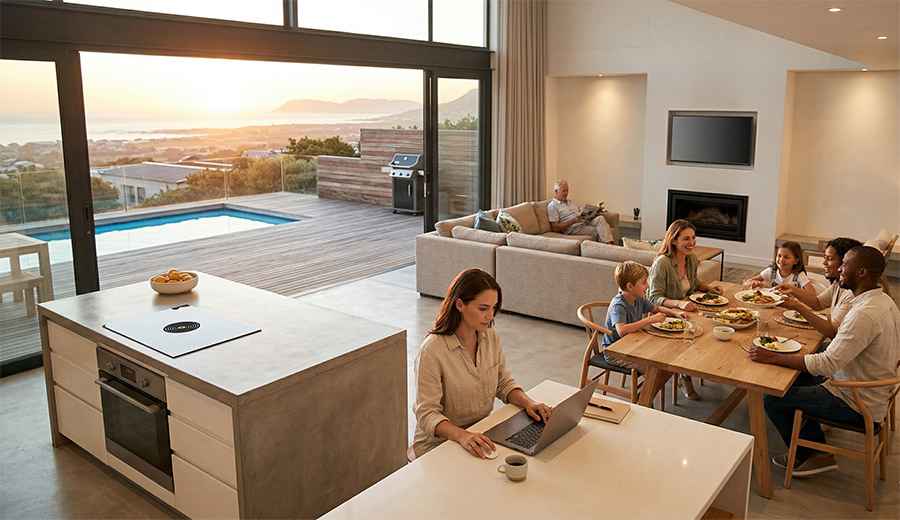
A well-managed home can offer something many standard stays cannot: real living space, privacy, and a more flexible daily rhythm. Some travelers book directly through platforms, while others choose operators such as First Class when they want a professionally managed stay with clearer standards around readiness, support, and upkeep.
This is especially visible in destinations where short-stay housing has become part of the mainstream travel market. Looking at options such as vacation homes in Dubai helps show why these properties appeal to modern travelers: they combine residential comfort with a level of consistency that makes the trip easier to manage from arrival to departure.
The attraction is not only about luxury or size. In many cases, it is about practicality.
More room changes the entire trip
The biggest difference between a vacation home and a standard room is simple: space.
That extra room affects the travel experience in ways people notice quickly:
- luggage does not take over the whole space
- families can spread out without feeling on top of each other
- one person can sleep while another is working or reading
- meals, downtime, and social time happen more naturally
- children have somewhere to exist without every moment feeling restrictive
For couples, that can mean a more relaxed stay. For families or groups, it can completely change how manageable the trip feels.
A hotel room may work well for a short city break. But once a trip gets longer, or once more people are involved, a home usually supports daily life better.
Privacy has become part of comfort
Many travelers now place a higher value on privacy than they used to. That does not always mean isolation. It often means wanting more control over noise, timing, and shared space.
Vacation homes offer that in practical ways:
- private entry rather than constant shared circulation
- living areas that belong only to your group
- kitchens and dining areas that do not depend on public schedules
- outdoor space in some properties
- fewer interruptions from daily hotel traffic
For travelers who want a quieter stay, that can make a big difference. The trip feels less managed by other people’s routines.
This matters even more for longer stays, remote workers, families with children, or anyone mixing work and leisure in the same trip.
Flexibility is one of the strongest advantages
One of the reasons vacation homes suit modern travelers so well is flexibility. People travel in more varied ways now. Some are staying for a weekend. Others are staying for two weeks, a month, or longer. Some are working remotely. Some are traveling with extended family. Some want to cook occasionally rather than eat every meal out.
A home supports that flexibility better because it can adapt to different patterns:
- breakfast can be early or late
- laundry is often easier to manage
- work calls can happen in a quieter setting
- children can keep familiar routines
- the day does not have to revolve around one room and one timetable
That freedom is often what makes a trip feel less tiring.
Kitchens matter more than people expect
A full kitchen is not always about saving money, although it can help with that. More often, it gives travelers options.
That matters because travel days are unpredictable. Some mornings start early. Some evenings end late. Some travelers have dietary needs. Families may need snacks, simple meals, or somewhere to prepare food without leaving the property again.
Having a kitchen helps with:
- light meals and breakfasts
- food storage for families or longer stays
- less pressure to eat every meal out
- easier management of special diets
- more control over the pace of the day
Even travelers who plan to dine out most of the time often appreciate having the choice.
Vacation homes fit group travel better
Modern travel increasingly includes mixed groups: friends on a shared trip, multigenerational families, couples traveling together, or small teams combining work and leisure. Hotels can handle that, but often in a fragmented way.
Vacation homes tend to work better because they let people stay together without losing personal space. That balance matters. Group travel usually goes more smoothly when there is:
- a shared living space
- separate sleeping areas
- enough bathrooms
- room to gather without everyone being forced into the same corner
- some independence for different schedules
In a stronger layout, the property supports the group instead of making the group work around the property.
The stay can feel more connected to the destination
Another reason travelers choose homes is that they often create a different relationship with place. Hotels can feel efficient and comfortable, but they sometimes place people slightly outside the local rhythm of a destination.
A vacation home often changes that. Travelers may:
- shop locally for basics
- walk residential streets rather than only tourist corridors
- spend more time in the neighborhood
- settle into a more natural daily pace
- experience the destination as somewhere lived in, not only visited
That does not automatically make the stay more “authentic,” but it often makes it feel less standardized.
For many travelers, that is part of the appeal.
Longer stays work better in a home setting
Short breaks can work almost anywhere. Longer stays reveal the limits of a cramped or overly formal setup.
Vacation homes tend to be a smarter choice for extended travel because they support the routines that become important after a few days:
- unpacking properly
- keeping things clean and organized
- separating work, sleep, and relaxation
- preparing some meals
- washing clothes
- having enough room to not feel constantly “on trip mode”
This is especially relevant now that more people combine travel with remote work or temporary relocation. A vacation home can support normal life more comfortably than many short-stay alternatives.
Professional management makes a big difference
Not every vacation home delivers the same experience. The property might look good in photos, but what really shapes the stay is how well it is run.
A professionally managed home usually performs better because the basics are more consistent:
- arrival instructions are clearer
- access works more reliably
- cleaning standards are steadier
- maintenance issues are noticed earlier
- guest questions are handled faster
- the property is reset properly between stays
That operational side is easy to overlook when booking, but it is often what determines whether the stay feels smooth or stressful.
In that sense, the quality of management matters almost as much as the quality of the property itself.
Travelers increasingly want “home plus reliability”
A big part of the current appeal is that vacation homes can offer two things at once: the comfort of a private home and the dependability travelers usually associate with structured hospitality.
That balance is what many modern travelers are really looking for:
- a place that feels lived in, not generic
- enough privacy to relax properly
- enough support that problems do not become travel disruptions
- enough flexibility to shape the trip around real life rather than a rigid system
This combination helps explain why professionally managed homes have become such a strong category in the travel market.
Cost is not always lower, but value often feels better
Vacation homes are not always cheaper than traditional accommodation, especially in premium destinations. But many travelers still see them as the better-value option because the experience is broader.
The value comes from what is included in practical terms:
- more usable space
- shared cost across groups or families
- kitchen access
- better suitability for longer stays
- fewer add-on expenses created by limited room function
- a setup that reduces daily friction
In other words, travelers are often paying for a stay that works better, not just a place that costs less.
What travelers should think about before booking
Vacation homes work best when travelers match the property to the trip. A few practical questions help:
- Is the layout right for the group size and routine?
- Is the location convenient for how you actually plan to move around?
- Does the property have the basics that matter most for your trip: kitchen, workspace, parking, laundry, outdoor space?
- Is the stay professionally managed or clearly supported?
- Are arrival instructions, house rules, and support channels easy to understand?
- Does the property seem designed for repeated guest use, or just photographed well?
These questions usually reveal whether the stay will feel easy in real life.
The takeaway
Vacation homes are a smart choice for modern travelers because they support how people actually travel now: with mixed schedules, longer stays, family needs, remote work, privacy expectations, and a desire for more flexibility than standard accommodation often provides.
The appeal is not only extra square footage. It is the combination of space, control, comfort, and livability. When the home is well managed, that combination becomes even stronger. The result is a stay that feels less like temporary lodging and more like a place you can genuinely settle into for the length of the trip.