Cycling Holidays: Discovering Stunning Roads on Two Wheels
Portugal is one of those countries where the road changes completely within a few hours of riding. You can move from flat coastal strips to steep mountain switchbacks in a single afternoon, and that kind of variety keeps cyclists coming back year after year. The geography is compact, but the terrain is genuinely diverse and covers a lot of ground between regions.
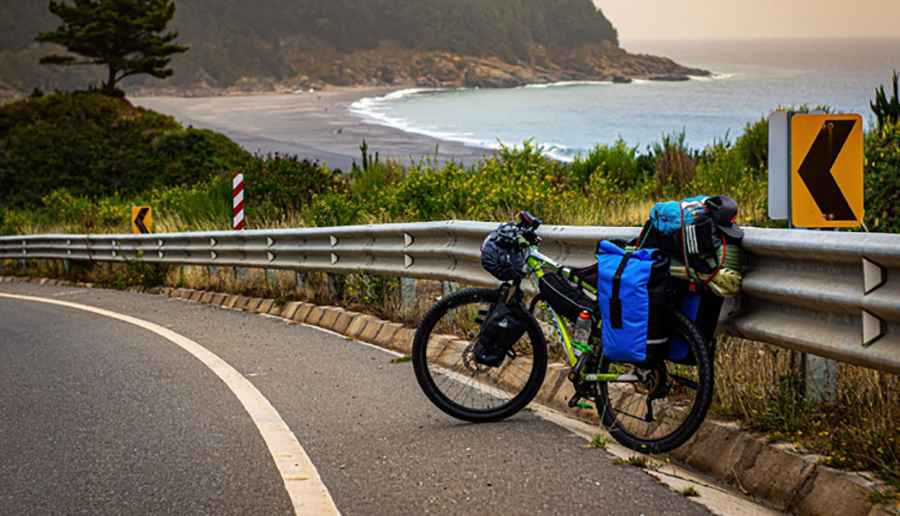
More riders are now booking cycling tours across Portugal to get proper access to routes they wouldn't find on their own. Operators run trips from the Minho region in the north all the way down to the Algarve coast in the south. These organized setups open up roads that most visitors never see when passing through by car.
The Roads That Shape Portugal's Cycling Appeal
Portugal has a road network that suits a wide range of riding styles and experience levels. From quiet rural backroads to exposed sea cliffs, each region has its own character, and the differences between them are real and noticeable on the bike.
The N2 National Road
The N2 stretches about 738 kilometres from Chaves in the north down to Faro in the south, cutting through farming villages, cork oak forests, and the open plains of the Alentejo. Traffic stays consistently low along most of this route, especially outside the summer months. Cyclists who ride sections of it get a genuine look at rural Portugal well away from the tourist trail. The road holds a lot of appeal for long-distance riders who want steady, uninterrupted riding through changing scenery.
The Western Coastal Roads
The coastal roads of the western Alentejo and Algarve run along sea cliffs and through small fishing towns that still move at their own pace. Surfaces vary quite a bit along this stretch, which keeps riders engaged and attentive throughout each day. Short climbs up to clifftop viewpoints make the coastal route worth choosing over faster inland alternatives. The scenery shifts constantly, and the salt air gives these roads a feel that inland routes simply cannot replicate.
The Douro Valley
The Douro Valley offers roads that wind along terraced riverbanks with tight bends and short rises throughout. Traffic picks up noticeably during the autumn harvest season, which changes the whole feel of riding through this area. Starting early in the morning helps riders avoid both the traffic and the worst of the midday heat. The views over the river and the vine terraces are consistently impressive and reward any extra effort to get out early.
Mountain Roads in the Interior
Portugal's mountain roads offer a very different experience compared to the coastal and valley routes. They demand more physically and ask riders to prepare more carefully before heading out.
The Serra da Estrela range in central Portugal holds the country's highest paved road at roughly 1,993 metres above sea level. Grades push above 10% on the steeper sections, so choosing the right gearing before the climb is worth thinking through. These roads pull in serious cyclists and road enthusiasts looking for something well beyond the coastal options. The exposed ridgelines and open moorland give the climb a raw, physical feel that lower routes cannot match.
The approach roads from the west pass through pine forests before the real climbing gets underway. Riding in the early morning keeps the heat manageable and delivers much clearer views from the upper sections. Descents need full concentration given the gradients and open edges on several stretches. The Douro Valley roads share a similar need for focused descending, particularly on the narrower sections that hug the riverbank. Carrying spare tubes and basic tools is strongly recommended here, since towns are spread far apart across this part of the interior.
Planning Around Seasons and Road Conditions
Getting the timing right makes a real difference on Portuguese roads, and conditions shift between regions in ways that aren't always obvious from a map. Here are some key points to factor in before committing to a route:
- Spring and early autumn give the most reliable riding conditions across most of the country.
- Summer works well for northern routes but creates serious heat challenges on interior and southern roads by midday.
- Autumn and winter bring regular rainfall to the north, making mountain roads slippery and harder to predict.
- Mountain road closures do happen in winter months and can catch riders off guard without a current status check.
Road surfaces also vary more than first-time visitors tend to expect. National roads are mostly smooth and consistent, while secondary roads can range from well-maintained to heavily patched in places. Checking surface conditions before a multiday ride saves time and reduces the risk of running into mechanical problems on a remote stretch.
Riding With Logistical Support
Taking on Portugal's longer routes without any support is possible, but it adds real physical and mental load to each day on the road. Carrying full touring gear over mountain stages builds up fatigue in ways that compound across a multiday trip. Many riders find that self-guided or guided setups with luggage transfers take a lot of pressure off from the very first morning. That kind of arrangement leaves energy for the riding itself rather than for managing bags and logistics at every stop.
Mechanical support is another practical consideration on remote inland roads. A puncture or gear problem in the interior can easily turn a solid day into a long roadside wait. Operators offering roadside assistance reduce that risk considerably on routes where bike shops are scarce and towns are few. According to the European Cyclists' Federation, supported touring shows consistently lower rates of trip disruption compared to unsupported rides on unfamiliar road networks.
Accommodation planning deserves just as much attention as the route itself. Many rural guesthouses along Portugal's established cycling corridors cater directly to arriving riders. Some offer secure bike storage, basic repair facilities, and early breakfasts for those who want to start before the heat builds. Research from the Adventure Travel Trade Association shows that cycling tourism continues to grow across Southern Europe, with Portugal consistently ranking among the top destinations for road-based trips. Booking well ahead during spring and early autumn is a sensible move given how busy those windows have become in recent years.
Matching Routes to Your Riding Level
Portugal's roads work well for a wide range of cyclists, and choosing the right route comes down to fitness, experience, and how much climbing feels comfortable on a given day.
- Beginners tend to do well on the flat coastal roads of the Algarve or the gently rolling interior roads of the Alentejo, where gradients stay manageable throughout.
- Intermediate riders often head toward the Douro Valley or the Lima Valley in the northwest, where the terrain adds real interest without pushing into serious climbing territory.
- Advanced cyclists look to Serra da Estrela or multiday sections of the N2, where sustained effort, variable surfaces, and long days with real elevation gain are all part of the experience.
The country is compact enough that riders can cover a meaningful range of terrain within one or two weeks. Traffic outside city centres stays low across most regions, making road cycling comfortable and enjoyable throughout. Riders who match their route to their current fitness level tend to finish their trips already planning the next one.
Photo by Alexis Leandro Jeria Bocca