How to Maximize Your Travel Budget on an Adventure Vacation
If you’ve ever planned a trip to the Smoky Mountains, you already know how quickly costs can add up. Between scenic drives through the national park, dinner shows in town, amusement attractions, outdoor adventures, and all the food in between, it’s easy to blow past your budget before the trip even begins.
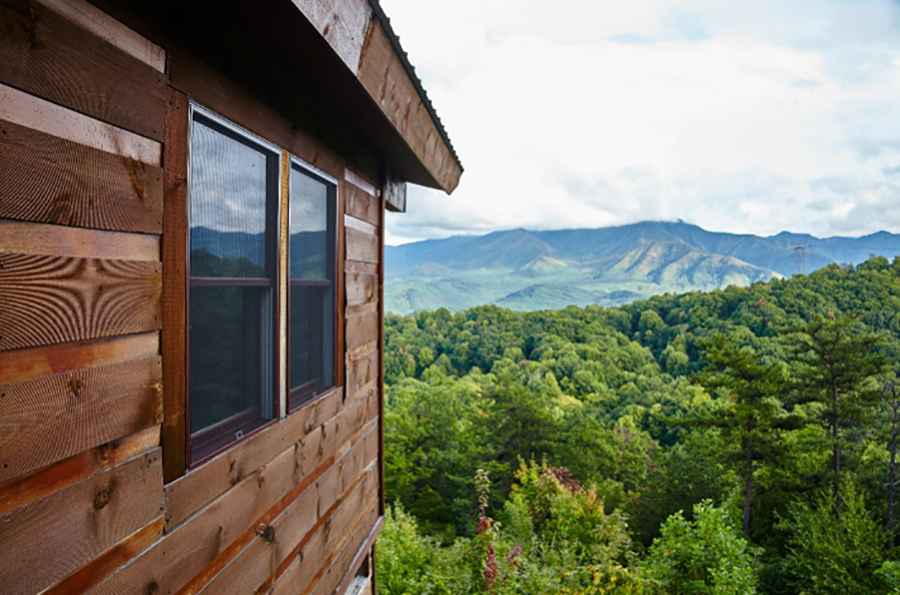
Take Gatlinburg, for example. It’s packed with hiking trails, mountain views, family attractions, and live entertainment. You can spend your mornings exploring waterfalls and your evenings watching a show or strolling the Parkway. It’s an ideal adventure destination, but only if you plan wisely.
The good news? You don’t have to cut out the fun to stay on budget. Adventure vacations are about experiences, and with the right strategy, you can enjoy more while spending less. It starts with knowing where your money goes and making intentional choices from the beginning.
Let’s break down how to stretch your travel dollars without sacrificing the adventure.
Choose Accommodations That Add Built-In Value
Lodging is usually the biggest travel expense. Most people focus only on the nightly rate, but that’s not always the smartest way to compare options. What really matters is the overall value your stay provides.
For example, many travelers save significantly by booking Gatlinburg cabin rentals with free attraction tickets, which bundle lodging with complimentary tickets to popular local activities. Summit Cabin Rentals offers cabins in Gatlinburg and the surrounding Smoky Mountain area, and many of their stays include free daily tickets to attractions, shows, and entertainment venues. Their cabins range from cozy one-bedroom retreats to large group lodges, and they feature amenities like full kitchens, hot tubs, mountain views, game rooms, and fireplaces.
That combination of comfortable lodging and included entertainment can dramatically lower your total vacation cost. Instead of paying separately for attractions each day, you’re already covered. And because cabins come with full kitchens, you can cook meals instead of eating out for every breakfast and lunch.
When you choose lodging that adds value beyond a place to sleep, you automatically free up more of your budget for meaningful experiences.
Plan Activities in Advance
Adventure vacations can feel spontaneous, but a little planning goes a long way when it comes to saving money. Many attractions offer discounts for booking online or purchasing tickets ahead of time.
Last-minute decisions often cost more. You might end up paying full price simply because you didn’t compare options. Research activities before you arrive and look for package deals, combo tickets, or seasonal specials.
If you’re visiting a place like Gatlinburg, check which attractions are included with your lodging and plan your schedule around those. That prevents double-spending and helps you make the most of what’s already available.
Creating a loose daily plan also helps you avoid impulse purchases. When you know what you’re doing each day, you’re less likely to overspend on random activities that weren’t part of your budget.
Take Advantage of Free Outdoor Adventures
One of the best parts of an adventure vacation is that nature is often free. In mountain destinations, you’ll find hiking trails, scenic overlooks, waterfalls, and wildlife viewing without an entrance fee.
The Great Smoky Mountains National Park, for example, offers countless trails for every skill level. You can spend hours exploring without spending a dime. Scenic drives provide incredible views, especially during sunrise and sunset.
Pack a day bag with water, snacks, and comfortable shoes, and you’ve got an entire day of adventure that costs very little.
Free experiences don’t feel like “budget travel.” They often end up being the most memorable parts of your trip. Sitting on a mountaintop overlook or discovering a quiet trail can be just as meaningful as any ticketed attraction.
Cook Some Meals Instead of Eating Out
Dining out for every meal can quietly drain your travel budget. Even casual breakfasts and quick lunches add up over several days.
Staying in a cabin with a full kitchen gives you flexibility. You can stop at a grocery store when you arrive and stock up on basics like eggs, sandwich ingredients, snacks, and drinks. Preparing simple breakfasts and lunches in your cabin reduces your daily food expenses significantly.
That doesn’t mean skipping restaurants entirely. Instead, choose one or two special dinners where you truly want the experience. By balancing home-cooked meals with select dining outings, you stay in control of your spending without feeling restricted.
Cooking together can even become part of the vacation fun, especially for families or groups.
Travel During Shoulder Seasons
Timing makes a huge difference in travel costs. Peak seasons often bring higher lodging rates, crowded attractions, and limited availability.
Consider visiting during shoulder seasons, such as early spring or late fall. Prices are usually lower, and you’ll experience fewer crowds. In mountain destinations, cooler weather can make hiking more comfortable as well.
You may also find better deals on cabin rentals and added promotions during these times. Traveling outside peak windows allows you to enjoy the same scenery and attractions at a lower overall cost.
Flexibility with travel dates can be one of the easiest ways to maximize your budget.
Be Strategic With Transportation
Transportation expenses include more than just gas or airfare. Parking fees, rental cars, and gear rentals can add up quickly.
If you’re driving to your destination, plan your route carefully and budget for fuel. Choose accommodations that are conveniently located to minimize daily driving. Staying closer to major attractions can reduce both gas costs and time spent on the road.
If your adventure includes activities like hiking or fishing, consider bringing your own basic gear instead of renting. Even small savings on equipment can make a difference over a multi-day trip.
Being mindful of transportation helps prevent unexpected expenses.
Set a Daily Spending Plan
It’s easy to overspend when you’re in vacation mode. Setting a simple daily spending plan keeps you grounded.
Divide your total trip budget into categories: lodging, food, activities, transportation, and souvenirs. Allocate a daily amount for flexible spending and track it casually throughout the trip.
You don’t need to obsess over every dollar. Just having a general idea of your limits prevents surprise credit card bills later.
It’s also smart to plan one intentional splurge. Maybe that’s a guided adventure tour or a special dinner. When you plan for it, you can enjoy it fully without guilt.
Maximizing your travel budget isn’t about cutting corners or skipping experiences. It’s about making thoughtful choices that give you more value for your money.
When you choose accommodations wisely, plan activities ahead of time, balance free outdoor adventures with paid attractions, and keep an eye on daily spending, your budget stretches further than you expect.
Adventure vacations should feel exciting, not stressful. With a little preparation, you can enjoy mountain views, local attractions, and quality time with family or friends without worrying about overspending.
The goal isn’t to spend the least. It’s to spend smart. And when you do, your memories will be rich, even if your budget stays in check.
Image: Source