Coastal Roads and Timing Traps in Tunisia
Tunisia’s shoreline is the kind of place that invites optimism. Beach towns sit close enough to look interchangeable on a map. A motorway corridor suggests quick hops. The problem shows up once real-life minutes are added: airport exit lines, city-entry slowdowns, hotel zones packed with short stops, and parking that turns a straightforward arrival into several loops.
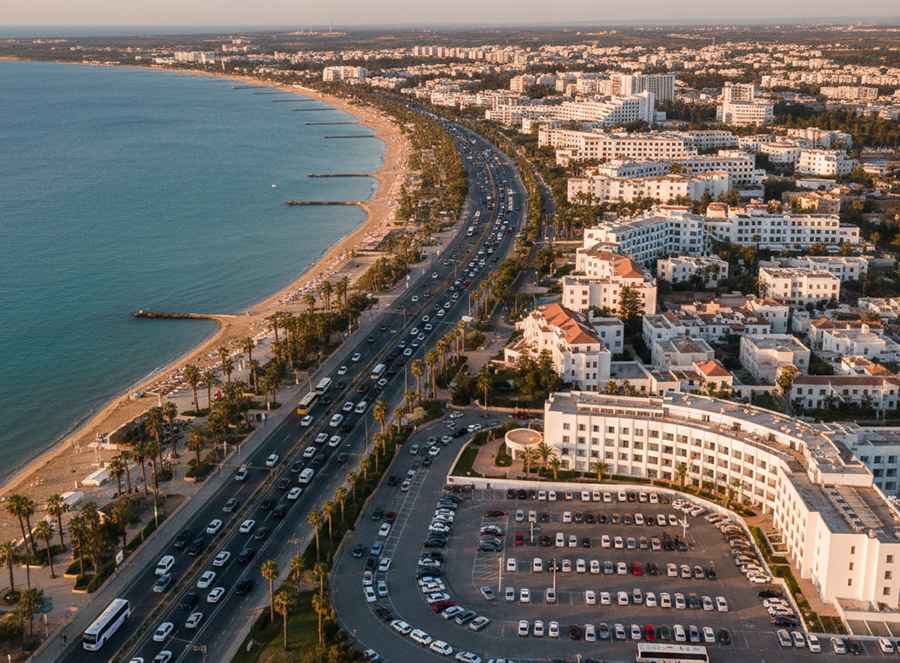
For readers of Dangerous Roads, the most useful travel advice is rarely about scenery. It is about the situations that make people rush, improvise, and drive while distracted. Coastal roads can be perfectly manageable when time is planned with humility. A trip feels lighter when transfers are treated like fixed blocks, and everything fun is planned around those blocks. That approach does not remove spontaneity. It keeps spontaneity from turning into a scheduled fight at the worst hours of the day.
The first hour decides whether the day stays calm
For coastal arrivals, tunisia transfers can be framed as a planning step that removes the most chaotic decision point: the moment outside the terminal when everyone is tired and trying to move at once. GetTransfer fits this use because a request can be made ahead of time and offers can be compared with clear details, including vehicle type and feedback, which helps match luggage and timing without negotiating in a noisy pickup zone. This matters in Tunisia because the first transfer often sets the tone for the next forty-eight hours. A late, confusing arrival tends to ripple into missed check-in windows, rushed meals, and poor decisions around parking near resort strips or older centers. A settled first move keeps attention where it belongs: reading the road, choosing safe gaps, and arriving with enough margin to handle the last stretch without stress.
Motorway minutes are not the same as arrival minutes
Coastal routes may seem fast when the design is purely for motorway speed, but the actual time cost is often at the edge. Leaving a city can be a gradual process even if the highway is not congested, as merging, roundabouts, and city traffic patterns limit traffic flow at certain points. Entering resort areas is a secondary slowing factor, as there are many pedestrian crossings, short-turn parking movements, hotel drop-offs, and taxis braking hard to deliver luggage. The trick to avoiding timing traps is to separate “driving time” from “arrival time.” Arrival time includes fuel stops, toll booths, searching for a working parking space, and the approach to the destination. It is during this final leg of the journey that drivers are most likely to be distracted, as route announcement signals, signs, and pedestrian activity all compete for attention at the same time.
Parking is a schedule issue, not a convenience issue
Parking near waterfront promenades and popular hotel clusters tends to create small detours that add up, and those detours can push a day into rushed decisions. The most stable method is to define what “arriving” means before the car ever enters a dense zone. Sometimes it means a curbside drop-off at the property. Sometimes it means a known access point with a short walk that avoids repeated loops and sudden U-turns. Near older centers, narrow streets and restrictions can change the final approach without warning, so the plan should assume that a perfect door-to-door stop is not guaranteed. This is also where risk management becomes practical. When a driver is hunting for a spot, attention narrows, patience drops, and the chance of a mistake rises. A deliberate plan reduces the time spent circling and reduces the urge to “make up time” afterward.
Port days and airport days need a different buffer
Some Tunisia itineraries include port areas, long repositioning drives, or early returns to the terminal, and these days fail when they are planned on averages. Ports can look calm and still produce queues at entry points, and the correct area can take time to find when signage competes with traffic flow. Airport returns bring a different trap: leaving a coastal district can be easy, yet the final city approach can compress suddenly when many travelers move at the same hour. Buffers should be built for the complicated parts, not the easy parts. That means extra time for the entrance and exit zones where lanes converge, pedestrians appear, and navigation instructions arrive quickly. If a prearranged ride is used again later in the trip, it should support that buffer logic with a clear meeting point and a pickup window that does not force a sprint. The objective is not perfection. The objective is a plan that stays safe when reality runs a little slow.
A coast that feels easy because timing is treated as terrain
The simplest way to keep coastal transfers realistic is to treat timing like terrain, not like a footnote.
- Build each move with two clocks: road minutes for the route and arrival minutes for parking and the final approach.
- Keep one soft hour inside any day that includes multiple handoffs, so slow traffic does not create pressure to speed or cut corners.
- Assume resort strips move more slowly than expected at the exact hours people check in and head to dinner.
- Choose a drop point near dense centers before entering them, so the road does not become a search pattern.
- Plan the last day backward from the terminal time and leave earlier than feels necessary, because delays cluster near exits, entrances, and parking funnels.
A Tunisia coast trip becomes calmer when these habits guide decisions. The scenery is the reward. The road stays predictable enough to be handled with attention rather than urgency.