Best Scenic Drives for Hiking Enthusiasts
Morning light hits the road before it reaches the trail, and that changes your whole day plan. A bend in a mountain pass can hide fog, loose gravel, or a slow tractor. If you hike after driving, those details matter more than the view.
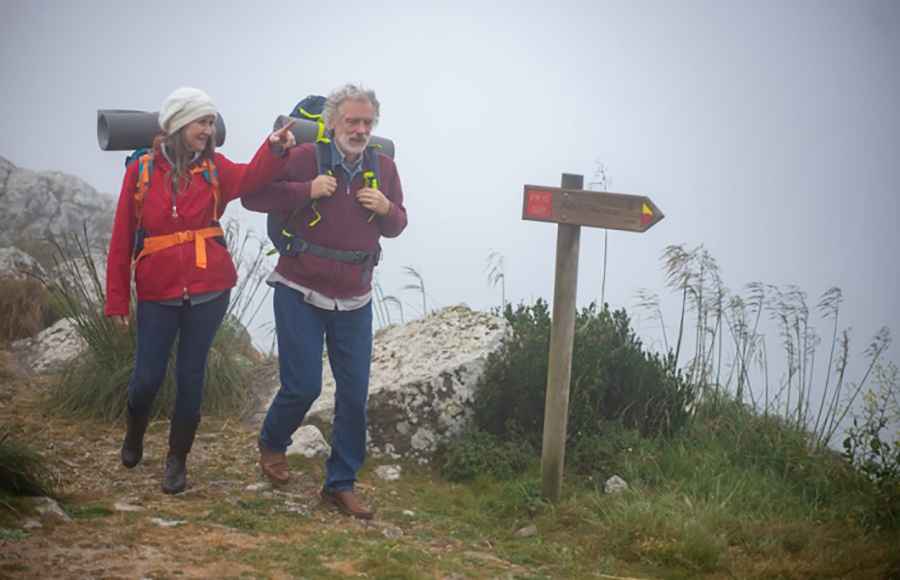
Many hikers want a route that feels well planned without feeling rigid or rushed. That is where Top Walking Tours Portugal can fit naturally into the planning, because the trips combine hikes, stays, and support. Even if you drive yourself, the same planning logic still applies.
What Makes A Drive Work For A Day Hike
A good scenic drive for hikers is not only scenic, it is also predictable in timing. You want steady road conditions, clear parking, and a trail that starts close to your chosen stop. You also want bailout options if weather shifts or legs feel heavy.
Before you commit to any route, check for three types of match. Road time should match trail effort, so you do not stack long driving with steep climbs. Trail access should match your vehicle, because rough tracks can punish low clearance cars. Food and water access should match your pace, because empty villages close early in quieter seasons.
Use this quick screen before you pick your hike for the day:
- Drive time: Keep the longest one way drive under two hours for most day hikes.
- Start point: Prefer signed trailheads over informal pull offs near blind corners.
- Vertical gain: Pair steep climbs with shorter drives, and save long drives for gentler walks.
- Exit options: Pick a route with at least one shorter loop or out and back fallback.
Parking and trail etiquette also matter on famous roads, because locals still need to work. Park fully off the lane, and leave space for farm gates and emergency access. If a road feels tight, assume a bus or truck will appear soon.
Portugal Routes That Pair Roads With Footpaths
Portugal works well for this style because short distances still cover big terrain changes. In one week, you can move from mountain granite to river vineyards, then finish on a windy coast. That variety keeps hikers happy, even when one day turns into a slower recovery walk.
For high altitude air and strong viewpoints, Serra da Estrela is the classic mountain option. The drive climbs through pine stands and open slopes, with frequent pull outs near ridgelines. Hikes here can be gentle lake walks or tougher ridge climbs, depending on season and weather.
If you want a drive that stays scenic while the trail stays friendly, the Douro Valley fits well. Roads track the river and fold around terraced vineyards, so views come often without hard effort. Many hikes here focus on village to village footpaths and short climbs to overlooks.
For ocean air and cliff paths, the Alentejo and Vicentina coast can be a strong choice. The drive moves between small surf towns and headlands, and the trails often follow sandy tracks. Plan for wind exposure, and watch tide timing if a route skirts low beaches.
Logistics That Keep The Day Smooth
The best driving and hiking days feel calm because the small steps are settled early. You have a start time, a planned stop, and one or two backup ideas. You also know where you will sleep, so you do not rush the final descent.
Pack like a hiker even if the drive feels easy, because plans break on mountain roads. A widely used baseline is the National Park Service “Ten Essentials” list, which covers navigation, layers, light, and first aid. It is a solid reminder for day hikes, even outside the United States.
Food planning is part of safety, not comfort, when you mix driving with remote trails. Eat a real breakfast, then carry enough snacks for at least two extra hours outside. In quieter villages, cafés may close mid afternoon, especially outside peak travel months.
When you are moving between towns, choose one of two clean patterns and stick to it. Either drive early and hike before lunch, or hike early and drive after lunch. Mixing late starts with long drives raises stress, and it makes wrong turns feel expensive.
If you prefer support without losing freedom, guided or self guided walking packages can reduce friction. Accommodation and route notes can remove the daily guessing, especially when you change regions often. That matters most when you want both great roads and dependable trail access.
How To Build A One Week Drive And Hike Loop
A one week plan works best when you pick one base region, then add one short move midweek. That keeps driving times reasonable while still giving you variety. It also helps you avoid packing and unpacking every night, which can drain energy faster than the hikes.
Start by choosing a daily rhythm that fits your group, then keep it steady for most days. Many hikers feel better with an early start and a mid afternoon finish, especially in warm months. That schedule leaves time for a slow scenic drive, a long lunch, and an easier walk later if legs feel good.
Build your week around three types of days, so you do not stack hard efforts. Use a big hike day with the shortest drive, then follow with a recovery day that still has good views. Save the longest scenic drive for a lighter coastal or valley walk, where terrain is kinder.
Here is a simple structure that holds up well:
- Day 1: Arrival walk near your stay, plus a short sunset drive.
- Days 2 to 3: Two hikes in the same area, with different trail styles.
- Day 4: Transfer day with a viewpoint drive, then a short leg loosener walk.
- Days 5 to 6: One harder hike and one easier hike, based on weather and legs.
- Day 7: A final half day walk, then a calm drive to your exit point.
When you plan stops, think in parking and trailhead terms, not only in town names. A village can be close on the map, yet the last ten kilometers may be slow and tight. End each day by setting the next morning’s first move in advance. Choose the first viewpoint, the first trailhead, and the first coffee stop if it exists. That small plan reduces rushed starts and makes the drive feel safer.
Road And Trail Safety Checks Before You Go
Scenic roads often look calm, but corners can hide gravel, fog, and slow local traffic. Drive for control, not pace, and leave extra space on every blind bend. Before you leave town, check fuel, tire pressure, and that your spare and jack are usable.
Trail safety starts before you lock the car, because plans break when weather shifts fast. Check wind, cloud, and sunset time, then choose a route that fits daylight. Save an offline map, tell someone your start point, and set a return time.
Use these quick habits on roads that feel tight or rough:
- Slow down early for curves, because braking late on loose gravel can trigger a skid.
- On long descents, use lower gears and steady braking, so brakes do not overheat.
- If a tire fails, hold the wheel steady, ease off the gas, and avoid sudden braking.
At the trailhead, keep valuables out of sight and park fully off the lane. Start the hike with ten minutes of easy pace, because tendons need time. Finish with margin, because the safest drive often happens when you are not tired.
Finish The Day With Margin
Plan the last hour like you plan the first, with a clear end point and a calm drive down. If you finish early, use the extra time for food, water, and a slow stretch. That buffer turns a scenic road and a good hike into a day you would repeat.
Photo by Kampus Production