From Death Roads to Payday: How Much Do Adventure Travel Photographers Make
Adventure travel photography is not a typical desk job. It often involves hanging out of moving vehicles, hiking at high altitudes, navigating unpredictable weather, and sometimes shooting on roads known globally for their danger. Places like Bolivia’s Yungas Road or narrow cliffside passes in the Himalayas attract photographers because they offer images that few others can capture.
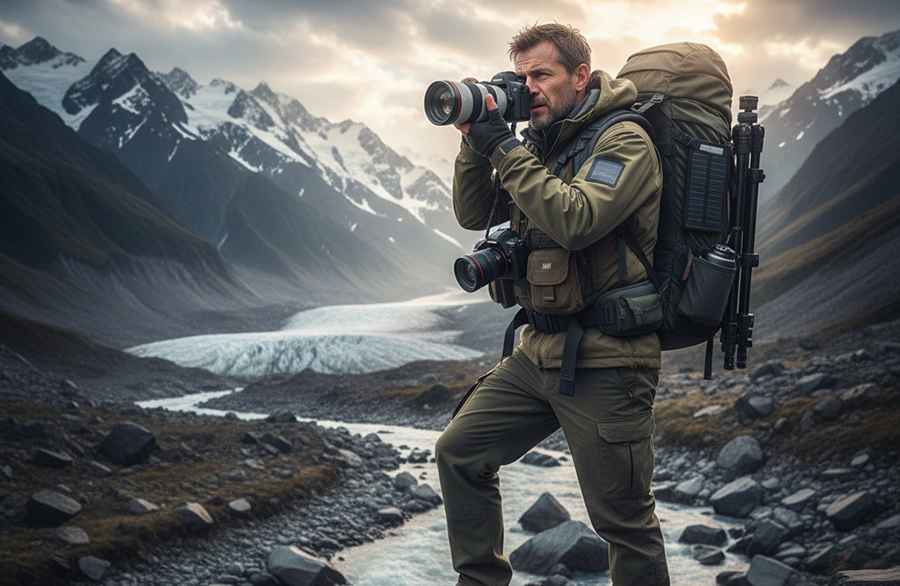
But while the visuals are dramatic, many people wonder whether the financial rewards match the risks. How much do adventure travel photographers actually make, especially freelancers who do not have a fixed salary?
The answer depends on experience, location, business skills, and how diversified their income streams are. For freelancers in particular, earnings can vary widely from month to month.
The reality of freelance adventure photography income
Most adventure travel photographers work as freelancers rather than full-time employees. This means they do not receive a steady paycheck. Instead, they earn money per project, per image, or through licensing deals. Entry-level freelancers may earn very little in their first years, sometimes barely covering travel costs. More established photographers can earn a comfortable living, but that usually comes after years of building a portfolio and reputation.
On average, freelance travel photographers report annual incomes ranging from $25,000 to $60,000. Those at the lower end are often early in their careers or rely on photography as a side income. Photographers who consistently work with major publications, tourism boards, or global brands can earn $80,000 or more in strong years. However, these higher earnings are not guaranteed every year.
How photographers get paid for dangerous and remote shoots
Adventure travel photography income usually comes from several sources. Editorial work is one of the most common. Magazines and travel websites may pay anywhere from $150 to $1,000 per published image, depending on the outlet and usage rights. Some publications offer day rates for assignments, which might range from $300 to $800 per day.
Commercial work tends to pay more. Brands in outdoor gear, automotive, or tourism often hire photographers for campaigns. These projects can pay several thousand dollars per shoot, especially if the images are used for advertising. Licensing fees also matter. A single strong image of a dangerous road or remote destination can continue earning money for years if licensed multiple times.
Print sales, workshops, and speaking engagements provide additional income. Many photographers run tours or workshops in the same dangerous destinations they photograph. While this requires organizational skills, it can be more profitable and predictable than image sales alone.
Costs that reduce take-home pay
It is important to understand that gross income is not the same as profit. Freelance adventure photographers face high expenses. Travel costs are the biggest factor. Flights, visas, guides, permits, and insurance add up quickly. Equipment costs are another major expense. Cameras, lenses, drones, and protective gear need constant maintenance and replacement.
Health and travel insurance are especially critical for those working on dangerous roads and in remote areas. Without employer-provided benefits, freelancers must pay these costs themselves. Taxes also take a significant portion of income, particularly for self-employed photographers who need to handle their own tax filings and documentation.
Because of this, many freelancers track their earnings carefully using invoices, contracts, and proof of income documents, such as a paystub template, to stay organized when applying for visas, rentals, or loans.
Income consistency and seasonal work
Adventure travel photography is often seasonal. Some destinations are only accessible during certain months. This means income can be uneven throughout the year. A photographer might earn a large amount during peak travel season and very little during off months.
Experienced freelancers plan for this by saving during high-earning periods. Others diversify their work by taking on commercial shoots, stock photography, or even unrelated freelance jobs during slower months. Consistency usually improves as photographers build long-term relationships with clients who offer repeat work.
Comparing adventure photography to other photography niches
Compared to wedding or corporate photography, adventure travel photography is generally less predictable. Wedding photographers often earn $2,000 to $5,000 per event, with multiple bookings per month during peak season. Corporate photographers may have steady contracts with businesses.
Adventure photographers trade stability for creative freedom and unique experiences. While some earn less overall, others surpass traditional photographers by combining brand partnerships, social media influence, and licensing deals. The top earners treat photography as a business, not just an art.
Proof of income and financial credibility
Because freelance income fluctuates, photographers often need to provide proof of earnings for practical reasons. This can include renting apartments, applying for visas, or securing financing for gear. Clear records help demonstrate financial reliability.
Maintaining organized financial documents and showing consistent earnings over time is crucial. In some cases, photographers may need to show clients or institutions sample paystubs like the one shown here to explain how their income is structured when it does not come from a single employer.
Is the risk worth the reward?
Financially, adventure travel photography is not a guaranteed path to wealth. The risks are real, both physically and financially. However, for many photographers, the reward is not just money. It is the opportunity to work in extraordinary places, tell powerful stories, and build a career that aligns with their passion for exploration.
Those who succeed tend to combine strong photographic skills with marketing, negotiation, and financial planning. Freelancers who understand pricing, licensing, and cost control are far more likely to earn a sustainable income.
Final thoughts
From death roads to payday, adventure travel photography is a career defined by extremes. Income can be modest or impressive, depending on experience and business strategy. Freelancers face uncertainty, high expenses, and seasonal work, but they also enjoy creative freedom and unique earning opportunities.
For photographers willing to approach their craft as both an art and a business, adventure travel photography can provide a meaningful living. It may not offer a traditional paycheck, but with planning and persistence, the journey can be financially rewarding as well as unforgettable.