Staying Healthy on the Road: How Remote Medical Support Can Be a Lifesaver
For healthcare practices, supporting patients who travel frequently presents unique continuity-of-care challenges that require reliable remote solutions. Patients often move beyond the physical reach of their primary provider, making it essential for practices to offer virtual care pathways that keep communication consistent.
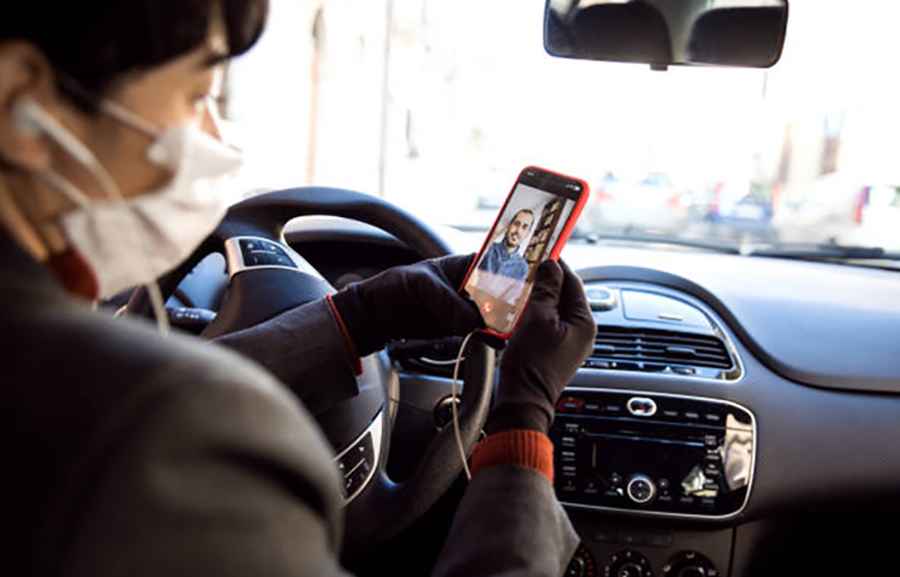
For practices serving remote, underserved, or frequently mobile patient groups, offering virtual care alternatives ensures continuity, accessibility, and improved clinical outcomes.
Why Remote Medical Support Isn't Just a Luxury for Travellers
Healthcare practices face challenges in delivering consistent care to patients who travel frequently or live in remote locations. Traditional in-clinic workflows can create inefficiencies and cost burdens for practices and their patients, especially when dealing with geographically dispersed populations. It is a game-changer with telemedicine providing you with access to medical professionals wherever you go. It is not merely a question of convenience, according to experts; it is about eliminating actual barriers. For example, telemedicine enables patients in remote or underserved regions to consult specialists without traveling for hours.
The Everyday Power of Virtual Health Assistants
Telemedicine is, however, only one piece of the puzzle now. Another component that can be added to the list of support is Virtual Health Assistants, and it can make a difference for someone on the go. These are not chatbots; these are actual, trained professionals who assist medical practices and patients off the record.
VHAs may assist with activities such as appointment management, follow-up, administrative tasks, and even care coordination.
For healthcare organizations, the operational benefits are multifold.
- Practices can leverage virtual health assistants to manage patient scheduling
- Prescription refills and follow-up care are provided efficiently
- Improving patient satisfaction and retention.
Why Eye Health on the Road Deserves Special Attention
Let's talk about something that’s often overlooked: your eyes. Staring at road signs while driving, working on a laptop in your hotel, or just trying to adjust to changing sun and shadow, your eyes are working hard.
That’s exactly why a virtual optometry assistant is so powerful. They help eye care practices manage patient appointments, tele-optometry visits, and follow-up care efficiently
With remote optometry support, practices can continue delivering consistent eye-care services to patients regardless of their location. They can help you book a follow-up exam, prep for tele-optometry visits, and manage the paperwork side of eye care.
Keeping Health in Check with Remote Monitoring
Beyond assistants and teleconsultations, modern mobile health (mHealth) tools and wearables make proactive health on the road more achievable than ever. From apps that track your sleep, heart rate, or blood pressure, to wearables that monitor your stress levels or activity, these technologies help you stay connected with your body.
When integrated with remote care teams, data from these tools can inform your virtual assistant or provider in real time.
Smart Strategies to Use Remote Care Well While on the Move
Here are operational strategies for practices to implement remote medical support effectively.
- Integrate telemedicine for seamless care: Open telemedicine platform accounts, download mHealth apps, and get paired with a virtual assistant in advance.
- Keep digital patient records ready: Create a concise yet comprehensive record that includes prescriptions, past consultations, allergies, and chronic conditions.
- Use virtual assistants for efficient care: Leverage your virtual assistant to send appointment reminders, prescription alerts, and check-in messages.
- Streamline workflows for remote patients: Have contingency plans for times when the internet is spotty.
Why This Matters - Beyond Convenience
Remote care doesn't replace every face-to-face interaction, but for those of us who live on the go, it closes a gap many would otherwise struggle to bridge. Practices seeking a virtual optometry assistant can streamline administrative workflows, strengthen patient engagement, and deliver dependable remote support.