Across the Edge of North America: A One-Way Journey Through the Continent’s Most Spectacular and Dangerous Roads
Some roadways earn their legends. They carve across mountain spines, cling to cliffsides, dip through storm-shaped valleys, and stretch so far across open land that they feel like gateways to another version of life. For travelers drawn to spectacular, scenic, or high-risk highways, few adventures compare to a long-distance, one-way road trip between the United States and Canada. These routes offer shifting landscapes, dramatic contrasts, and the kind of raw, open-air freedom that makes people feel more alive.
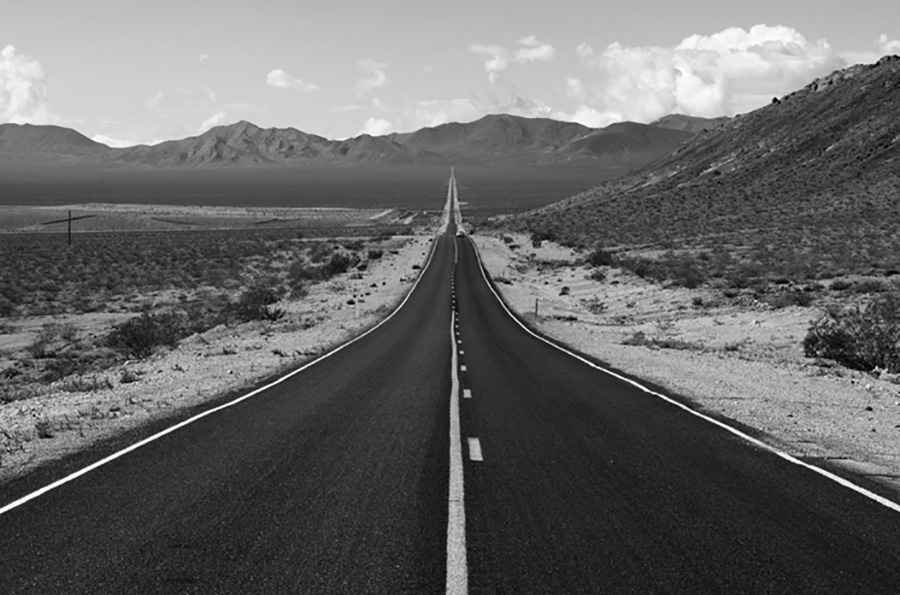
A one-way cross-border road trip blends beauty and adrenaline—towering mountain passes, wind-blown coastal roads, remote northern corridors, and iconic wilderness highways that challenge even experienced drivers. No matter where someone lives, this kind of journey taps into universal wanderlust: the desire to step outside routine and meet the world on its own terms.
Why a One-Way USA↔Canada Road Trip Fits the Spirit of Scenic and Dangerous Roads
The U.S. and Canada host some of the most visually striking—and occasionally perilous—highways on the planet. A one-way trip lets travelers soak in the experience fully without rushing to double back home.
Imagine beginning from wherever someone lives in the U.S.—a suburban neighborhood, a rural farm road, or a major city—and heading north toward the Canadian border. As the trip unfolds, the terrain intensifies. Travelers might wind through Colorado’s Million Dollar Highway, hugging sheer drops without guardrails. They might cross Wyoming’s high plains, where sudden winds turn every mile into a balancing act. Or they could take California’s Highway 1, where cliffs plunge into the Pacific and curves demand constant attention.
Crossing into Canada, routes like British Columbia’s Sea-to-Sky Highway, Alberta’s Icefields Parkway, or the remote Stewart–Cassiar Highway layer new landscapes and new challenges. These are roads where rockslides reshape cliffs overnight, where weather swings from sunshine to dense fog, and where wildlife can appear around any bend.
A one-way itinerary allows travelers to choose the perfect direction—southbound through towering peaks, northbound along rugged coastline, or east-to-west across vast territories—without needing to retrace long stretches of demanding road.
Starting and Ending the Journey Anywhere
Every traveler’s story is different, and so are their routes. One person might begin from their home in California and wind toward British Columbia through multiple climate zones. Another might live in Texas but dream of crossing into Alberta to tackle mountain corridors in Canada’s Rockies. Someone on the East Coast might leave from wherever they live and head toward Vancouver, weaving through iconic American scenic roads before reaching the Canadian West.
The freedom of a one-way road trip is that there are no fixed starting points. No scripted jumping-off towns. No predetermined launchpad. People can begin from their own driveway, or—if they prefer—they can ship their vehicle to a distant starting location and build their journey back toward home. The key is flexibility: each traveler shapes the route to their own comfort level, interests, and appetite for adventure.
When the trip reaches its final Canadian or American destination—whether that’s a major city, a national park gateway, or a quiet small town—the traveler ends the driving portion on their own terms.
Ending the Road Trip and Flying Home the Easy Way
After days or weeks of navigating dramatic roads, steep climbs, and scenic overlooks, most travelers reach a point where the adventure has fulfilled its purpose. Maybe they arrive in Alberta after driving from Texas. Maybe they roll into Ontario after starting from Florida. Or perhaps they reach Washington state after beginning somewhere deep in British Columbia.
Instead of turning around and retracing thousands of miles of highway, travelers simply leave their vehicle in a safe, accessible place—such as a hotel parking lot, their own driveway if they structured their itinerary in reverse, a friend’s home, or any location they trust.
From there, they book a flight home. No marathon drive. No backtracking along dangerous roads they’ve already conquered. Just a simple transition from adventure back to everyday life.
A professional auto transport service handles the return journey for the vehicle, picking it up from wherever the traveler left it and bringing it safely to their home. This quiet, behind-the-scenes convenience allows travelers to focus on the journey itself—not the logistics afterward.
For many travelers who finish a long, rugged cross-border route far from home, using a professional service that handles car shipping to Canada (or USA) is a practical way to enjoy a one-way adventure without needing to retrace thousands of miles on the return trip.
The Meaning Behind Roads That Challenge and Inspire Us
The roadways highlighted across scenic and dangerous-road enthusiast communities aren’t only famous for their beauty or their hazards—they’re famous because they transform people. They demand presence, respect, and patience. They force travelers to face weather, terrain, and long distances with humility. They offer the kind of views that photographs can’t quite capture and the kind of solitude that helps people reconnect with themselves.
A one-way road trip across the U.S.–Canada border adds another layer of meaning. The shift in landscapes between the two nations—the cultural contrasts, the environmental variety, the sheer scale of the continent—amplifies the feeling of crossing thresholds. It becomes more than travel. It becomes a journey of resilience, awe, and personal renewal.
Conclusion: The Roads That Shape Us
From cliff-hugging highways to remote northern routes, from mountain passes to open coastlines, the most spectacular and dangerous roads in North America reward travelers willing to meet them with respect and curiosity. A one-way USA↔Canada trip captures the essence of that spirit, letting drivers follow the continent’s rhythms without the pressure of looping back home by car.
The landscapes are dramatic. The roads are unforgettable. And the journey becomes a story travelers carry long after they’ve returned home—made possible by the freedom to drive one way, fly back, and let professional logistics handle the rest.
These legendary roadways shape the way people see the world. And sometimes, they shape the way people see themselves.
Image source: https://www.pexels.com/photo/grayscale-photo-of-road-1038935/