A Traveler’s Guide to Using Portable Solar Panels on Remote and Dangerous Roads
When you travel through remote mountain passes, desert tracks, jungle roads, or isolated backcountry routes, you quickly learn one thing: power is survival. GPS units, phones, cameras, lights, and emergency beacons all depend on electricity — and once you leave populated areas, charging options can vanish for days.
Portable solar panels have become one of the most reliable pieces of gear for travelers tackling isolated highways like the Dalton Highway in Alaska, the Pamir Highway, Bolivia’s Ruta de la Muerte, or off-grid desert routes in Australia and Namibia. Lightweight, silent, and renewable, they turn sunlight into dependable energy wherever the road takes you.
Here’s how portable solar panels support safer and more sustainable remote travel — and how to choose the right setup for your journey.
Why Portable Solar Panels are Perfect for Travel
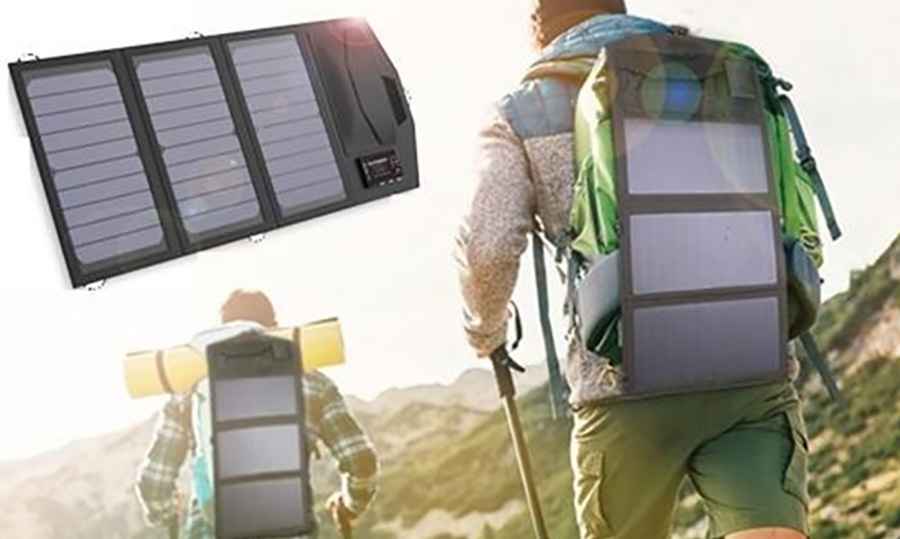
A portable solar panel can charge your device anytime during your travel or the hiking process as you can fold and hang it using your backpack. Here are some top reasons why one should use a perfect portable solar panel for travels and specifically for camping:
1. Compact Design
The solar systems in today’s life come with lightweight and compact design, and are also easy to load. Unlike the older panels which are bulkier, modern panels are mobile and are easy to mount on your vehicle roof as well. These compact solar power systems make them the best fit for travelers.
2. Backup Power in Remote Areas
Imagine you are traveling into the remote areas and have to make an urgent call, but your cell phone is not charged and you also don’t have backup power. In this scenario, a foldable solar panel releases your stress as they ensure your devices stay charged. Hence, whether it’s your GPS issue or your camera battery issue, these portable solar panels are a good choice for everyone.
3. Low Environmental Risks
Another leading reason for prioritizing portable solar panels over other types of traditional panels is their eco-friendly adventure equipment features. These solar panels don’t emit carbon or other harmful elements in the air. By adopting renewable energy, travelers have been using portable solar panels to combat climate change and support sustainable travel gear.
4. Cost-Effective and Durable
The modern portable solar panels have no hidden costs, and they have obvious upfront costs. They are a perfect way to save on fuel, batteries, and charging station fees. Over time, portable solar panels pay for themselves, making them a smart addition to your off-grid power solutions and sustainable travel gear kit.
Using a Portable Solar Panel for the Effective Performance
Whether you are using a solar panel during hiking, traveling, or any other activities; using them effectively always matters. Here are some practical tips following which you can gain maximum benefits by effectively using them:
Selecting a Sunny Location
The first and most important tip you should consider is to select a sunny location to place the panel so that it may receive direct light from the sun. This way, you can use this for a long time.
Using the Right Angle
How you place the solar panel in the sunlight is also a considerable factor to gain maximum benefits. Placing the panel at 30 to 45 degrees is the best way to charge it efficiently and ultimately have maximum power.
Carry a Solar Power Bank
Carrying a solar power bank during your travel will help to save extra energy and power in an extra device. One can use those extra banks during the night or when there is no sunlight for some days. It makes your long-term trips hassle-free.
Keep the Panel Secure
Make sure to keep the solar panel secure and safe. Use a proper mounting system or you can also use anchor grounds to fix the panel properly in its place.
Travelers can also maximize their portable solar panels by combining them with different charging solutions. For example, connecting the panel to a solar power station allows you to run laptops or even small appliances at night, while pairing it with a power bank ensures your phones and lights stay charged during cloudy days. Some models even support parallel or series connections of multiple panels to speed up charging for larger battery packs. By mixing direct USB charging, DC outputs, and stored energy, portable solar panels become a complete off-grid power solution instead of just a daytime backup.
By mixing direct USB charging, DC outputs, and stored energy, portable solar panels become a complete off-grid power solution instead of just a daytime backup. This makes them far more versatile for long trips.
Common Mistakes to Avoid for Long Term Usage of Solar Panels
People traveling through remote deserts, high mountain passes, or isolated backcountry routes often rely heavily on portable solar panels. However, even experienced overlanders make mistakes that can leave them without power when it matters most. Below are some of the key issues you should avoid when using portable solar panels in harsh or unpredictable environments:
Placing Solar Panels in Unstable or Wind-Exposed Areas
On dangerous or remote roads, strong winds can appear suddenly, especially near cliffs, canyons, and mountain ridges. Avoid placing your solar panels in exposed positions where a gust could flip or blow them away. Always secure them firmly on stable ground or attach them to your vehicle to prevent damage or loss.
Ignoring Sand, Snow, and Ice Buildup
Cleaning isn’t just about dust — in deserts, snowfields, or coastal routes, sandstorms, frost, or salt spray can reduce charging efficiency. Allowing debris to build up can drastically cut your power output. Gently clear the surface when needed, but avoid rubbing abrasive sand directly onto the panel as it may scratch the surface.
Overloading the Power System in Critical Conditions
When traveling in isolated regions, overloading your solar setup can leave you without essential electricity for navigation or communication. Avoid connecting too many devices at once, especially high-draw electronics. Exceeding your panel or battery capacity may cause system shutdowns, leaving you without power in areas where help may be far away.
Ignoring Voltage and Device Compatibility on Remote Roads
In extreme environments, damaged or incompatible charging equipment can lead to complete power failure. Always verify that your solar panel, battery pack, and devices match in voltage and connector type. In remote regions, a simple compatibility mistake may leave you unable to charge critical gear like GPS units, radios, or emergency beacons.
Buying Guide: How to Choose the Right Portable Solar Panel for Travel
When deciding which portable solar panel to buy, the best choice depends on your travel style and power needs:
- Backpackers and hikers: Go for lightweight foldable panels in the 20W–60W They are easy to clip on your backpack and will keep phones, GPS devices, and headlamps charged.
- Campers and road trippers: Panels between 80W–200W are ideal, especially when paired with a portable power station. They can run laptops, lights, or even small appliances.
- Extended off-grid travel: For longer stays in remote areas, consider 200W+ panels and combine several in parallel or series to support drones, refrigerators, or medical equipment.
Durability is also worth considering. Panels with waterproof coating and strong materials last longer in outdoor conditions. Checking the compatibility of the panel with your power bank or devices (USB-C, DC outputs, voltage range) will save you from surprises. And of course, budget plays a role: smaller entry-level models are affordable, while mid-range or higher-end panels are a smarter investment for frequent travelers who rely on them every day.
By matching your travel style with the right size and durability, portable solar panels can truly become a stress-free power partner for your journeys.
Frequently Asked Questions
How to make portable solar panels more reliable?
You can make solar panels more reliable by having their proper care and also through proper usability. Once you use them, keep them in a safe place. Also, keep them away from external pollution factors i.e., acid rain, risky gases, as well as grease particles.
Can portable solar panels work in cloudy conditions?
Yes, these portable solar panels can also work in cloudy conditions, however, with lower power and efficiency values. To avoid issues, it is important to ensure the battery is charged all the time, and you can also use an extra battery for backup and storage power to overcome light issues in rainy and cloudy conditions.
Are portable solar panels worth the investment?
Yes, portable solar panels are really worthy from an investment point of view. They eliminate the costs by reducing the fuel as well as the disposable battery powers. Choosing high efficiency solar panels ensures durability and long-term reliability.
Final Verdict
On isolated roads where one mistake can leave you stranded without communication, portable solar panels offer more than convenience — they offer security.
Whether you're camping along Chile’s Carretera Austral, crossing Mongolia’s steppe, or navigating desert trails in Arizona, a portable solar panel is one of the smartest pieces of gear you can bring.
Hence, portable solar panels are far more than just another piece of travel gear. Thanks to their compact design and dependable performance, they provide a steady source of energy whether you’re exploring remote roads or enjoying a regular weekend getaway. They deliver clean, quiet power without adding unnecessary weight or risk, allowing you to stay connected and confident wherever the journey leads.