Urban Roads: Driving Logistics for Singapore and Kuala Lumpur
Singapore and Kuala Lumpur are two of the most advanced yet congested cities in Southeast Asia. Navigating their road networks requires a high level of concentration and an understanding of local transit logistics. Whether you are driving toward the entertainment hubs of Sentosa Island or the dense urban center of Kuala Lumpur (KLCC), you must manage heavy traffic, electronic tolls, and complex parking systems. This guide analyzes the driving conditions and logistics for accessing these major urban destinations.
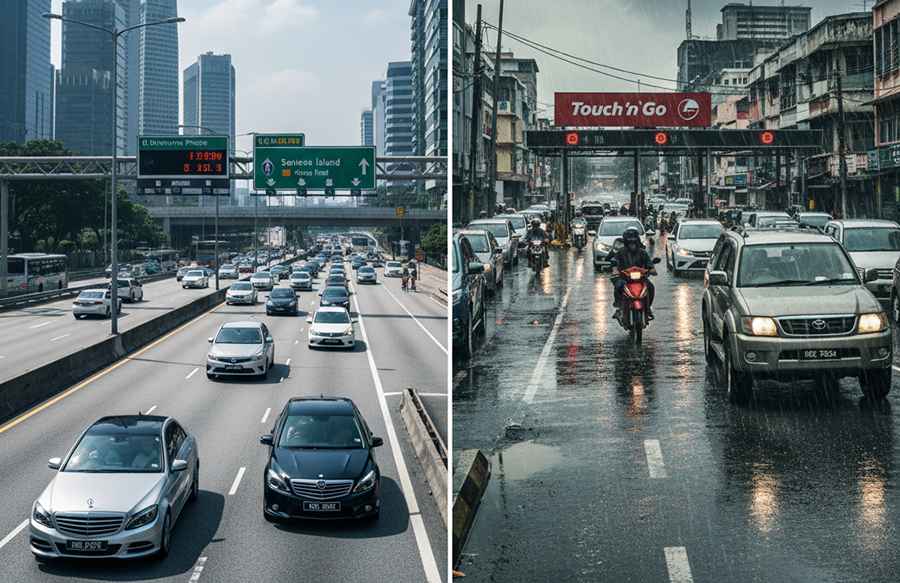
| Singapore vs. Kuala Lumpur Road Logistics | |
|---|---|
| Traffic Density | High in both; extreme during monsoon rains |
| Toll Systems | ERP (Singapore) vs. Touch 'n Go (Malaysia) |
| Sentosa Access | Gateway bridge with entry fees |
| KLCC Parking | Massive underground hubs; limited surface spots |
1. Navigating to Sentosa Island, Singapore
Reaching Universal Studios requires driving onto Sentosa Island via the Sentosa Gateway. Singapore uses an Electronic Road Pricing (ERP) system, where sensors automatically charge your vehicle when passing through specific gantries. When driving to the island, you must pay a vehicle entry fee in addition to the standard parking rates. The roads on Sentosa are well-maintained but strictly regulated. For a smooth trip, ensure your In-Vehicle Unit (IU) has a cash card with a sufficient balance to handle these automated road charges.
2. Driving in the Heart of Kuala Lumpur (KLCC)
Kuala Lumpur’s city center is a challenging environment for any driver. The area around Aquaria KLCC is dominated by multi-lane highways and complex interchanges. Unlike the flat terrain of Singapore, KL has many flyovers and tunnels that can confuse GPS signals. To access the KLCC parking hubs, you should use the specialized tunnels designed to divert traffic away from the surface streets. Be prepared for aggressive lane changes and heavy motorcycle traffic, which is a constant factor on Malaysian roads.
3. Toll Logistics: ERP vs. Touch 'n Go
Managing your logistics across the border requires two different systems. In Singapore, the ERP system is fully automated and manages traffic flow by changing prices based on the time of day. In Malaysia, you must have a "Touch 'n Go" card or a SmartTAG device to pay for the highways (toll roads). If you are driving between the two countries, ensure your vehicle meets all legal requirements, including the VEP (Vehicle Entry Permit) and the necessary insurance coverage for both jurisdictions.
4. Weather and Road Surface Risks
Both cities experience sudden and intense tropical rainfall. These storms can reduce visibility to near zero and cause flash flooding on urban roads in minutes. In Kuala Lumpur, the road surface can become very slippery, and large puddles often hide potholes. In Singapore, drainage is excellent, but the sheer volume of water during a monsoon can overwhelm the wipers of any vehicle. When driving in these conditions, slow down, increase your following distance, and keep your headlights on to remain visible to other road users.
Conclusion: Urban Driving Strategy
Whether you are heading for a high-energy day at a theme park or a quiet visit to an oceanarium, the logistics of the road remain your primary concern. Singapore offers a more controlled and automated driving experience, while Kuala Lumpur requires more active defensive driving skills. By preparing your payment cards, understanding the parking layouts, and staying alert for weather changes, you ensure a safe and professional arrival at your destination. Respect the local road rules and manage your transit times wisely.