Vineyard Routes: How to Plan Technical Hikes and Logistics in Europe’s Wine Regions?
Navigating the primary wine regions of Europe—such as Barolo, Burgundy, and Rioja—presents a unique set of logistical challenges. These areas are characterized by high-gradient roads, narrow transit corridors, and complex rural infrastructure. For professionals and enthusiasts exploring these territories on foot or by vehicle, success depends on a structured audit of the terrain and an understanding of the local geography. From the limestone soils of Italy to the steep terraced hills of the Rhone Valley, a successful expedition requires precise route planning to balance physical exertion with the technical demands of the landscape. This guide analyzes the logistical framework for navigating Europe’s most iconic vineyard roads and trails.
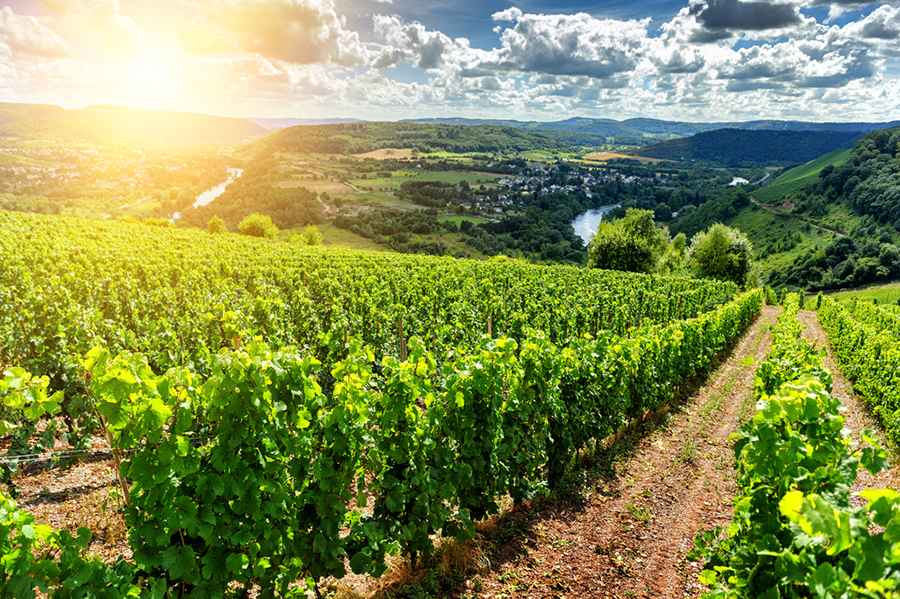
| Vineyard Terrain & Logistical Audit | |
|---|---|
| Topography | Rolling hills, steep gradients, and terraced slopes |
| Transit Infrastructure | Narrow rural roads and inter-village hiking trails |
| Regional Focus | Barolo (Piedmont), Burgundy, Rioja, and Southern Rhone |
| Operational Safety | Hydration management and technical footwear for uneven terrain |
1. Piedmont, Italy: Navigating the 11 Villages of Barolo
The Barolo region in Piedmont is a complex network of 11 villages linked by winding roads and steep hiking trails. A technical trek from Barolo to Novello (2.6 miles) and onwards to Monforte d’Alba (4.5 miles) requires a high level of physical conditioning due to the constant changes in elevation. The terrain is dominated by limestone-rich soils, which define both the local agriculture and the stability of the trails. Professionals navigating these roads must account for the narrowness of the inter-village passes, where agricultural machinery and pedestrian traffic often share limited space.
2. Burgundy and Rioja: Logistics of Historic Transit Corridors
In France, the Burgundy (Bourgogne) region offers a more structured but equally demanding environment. Centered around Beaune, the transit corridors connect historic towns through rolling hills where technical hiking is integrated into the local infrastructure. Similarly, the Rioja region in Spain features vibrant roads through vast vineyard landscapes. Planning a route in Rioja involves auditing the distances between primary supply points and ensuring that the equipment used—whether for trekking or driving—is suited for the dry, often rocky terrain that characterizes the Ebro Valley.
3. Southern Rhone: Mastering Steep Gradients and Alpine Foothills
The Southern Rhone Valley presents some of the most challenging gradients in Europe. The roads around Gigondas and Tain-l’Hermitage lead to the Dentelles de Montmirail mountain range and the iconic Mont Ventoux. Navigating these steep vineyards requires specialized logistical preparation, including advanced hydration protocols and a focus on thermal stability. The infrastructure here is designed for low-volume, high-precision transit, making it essential for explorers to maintain strict situational awareness while operating on these vertical landscapes.
4. Why Professional Route Planning is Essential
Combining the technical audit of a landscape with the exploration of its cultural assets ensures a more secure and rewarding experience. Hiking through these regions allows for a granular understanding of the terrain that vehicle transit cannot provide. By auditing the roads and trails in advance, you mitigate the risks of becoming stranded in remote agricultural sectors and ensure that your physical output is matched by the logistical support of the local infrastructure. Precision in your itinerary is the key to mastering the diverse geographies of Europe’s wine regions.
Conclusion
Exploring Europe’s vineyard roads is a sophisticated logistical exercise that demands respect for the terrain and the local infrastructure. By prioritizing route auditing and physical preparedness, you can navigate these iconic landscapes with professional efficiency. Success in these regions is defined by your ability to adapt to the topography while maintaining a clear focus on safety and compliance. Verify your coordinates, monitor the gradients, and focus on the road. A methodical approach turns a challenging trek into a successful and secure mission.
Image credit: Depositphotos