Backpacking Through Patagonia: 8 Tips for Solo Adventurers
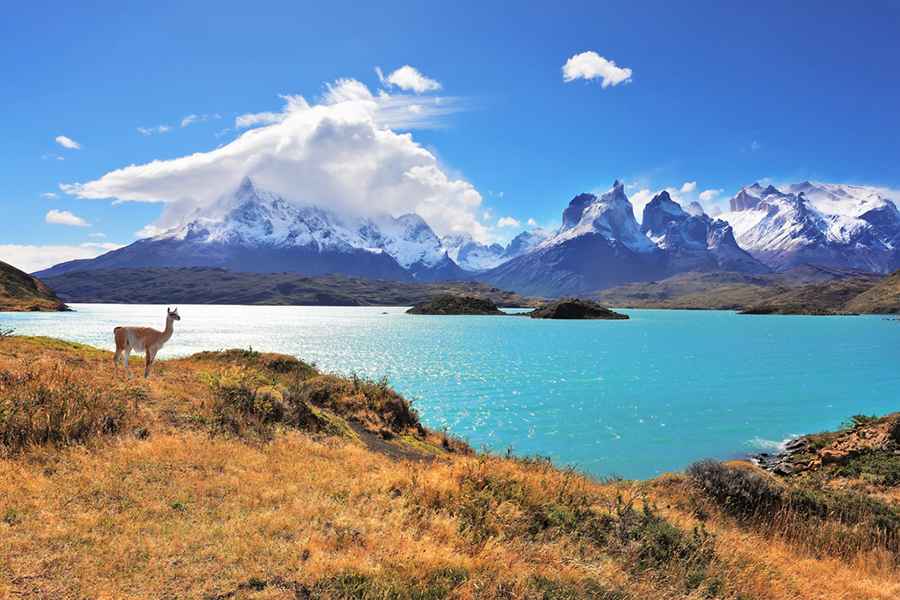
Patagonia remains one of the final frontiers for high-stakes overland expeditions. Stretching across the southern reaches of Argentina and Chile, this region demands a level of logistical self-sufficiency that few other places on Earth require. For the solo adventurer, navigating the unpredictable Andean weather and the vast distances between fuel and supply points is a test of both mechanical and personal endurance.
| Patagonia Expedition Profile | |
|---|---|
| Major Routes | Ruta 40 (Argentina) & Carretera Austral (Chile) |
| Climate Risk | Extreme crosswinds (>100km/h) & rapid thermal drops |
| Optimal Window | November to March (Austral Summer) |
| Survival Gear | Satellite GPS, 4-season shelter & water filtration |
1. Strategic Timing and Seasonal Barriers
The operational window for Patagonia is narrow. While the austral summer (November to March) offers the most reliable trail access, it also introduces the region's infamous "Patagonian Winds," which can exceed 100 km/h, affecting vehicle stability and making high-altitude hiking hazardous. The shoulder months of October and April provide fewer crowds but require readiness for sudden snowfalls that can close mountain passes like the Paso de Agua Negra without warning.
2. Technical Loadout for Solo Isolation
In Patagonia, redundancy is your primary safety net. When traveling solo, your gear must account for total isolation. A high-denier waterproof hardshell and a 4-season mountaineering tent are non-negotiable. For sustenance, liquid-fuel stoves are preferred over gas canisters, which can lose pressure in the sub-zero temperatures of the Southern Ice Fields. Always carry a secondary method of water purification (UV or chemical) to supplement mechanical filters.
3. Navigating Remote Logistics
Whether you are trekking the O Circuit in Torres del Paine or driving the iconic gravel "ripio" sectors of the Ruta 40, fuel and food logistics must be planned 500km in advance. Satellite communication is essential, as cellular coverage is non-existent once you leave the main hubs. For those exploring the Chilean side, the remote Carretera Austral (Ruta CH-7) offers unparalleled scenery but demands constant vigilance regarding ferry schedules and fuel availability.
4. Environmental Stewardship: Leave No Trace
The Patagonian ecosystem is as fragile as it is harsh. Adhering to strict "Leave No Trace" principles is vital to preserving these pristine environments. This includes mandatory waste extraction and avoiding the use of open fires, which are strictly prohibited in most national parks due to the high risk of wildfire in the arid grasslands.
Conclusion
A solo journey through Patagonia is a rite of passage for the serious adventurer. It is a landscape that rewards meticulous preparation and punishes complacency. By respecting the immense scale of the geography and the volatility of the Antarctic-influenced weather, you ensure that your expedition remains a triumph of exploration.
Image credit: Depositphotos