Tips for a Quality Stay in Pigeon Forge
Pigeon Forge, situated at the base of the Great Smoky Mountains, serves as the primary logistical hub for exploring the high-exposure road networks of eastern Tennessee. Success in this region depends on strategic planning—from selecting a base of operations with heavy vehicle access to timing your transit through high-saturation corridors. A disciplined approach to your itinerary ensures that you can maximize your time **driving the Smokies** while maintaining the necessary recovery standards for long-distance travel.
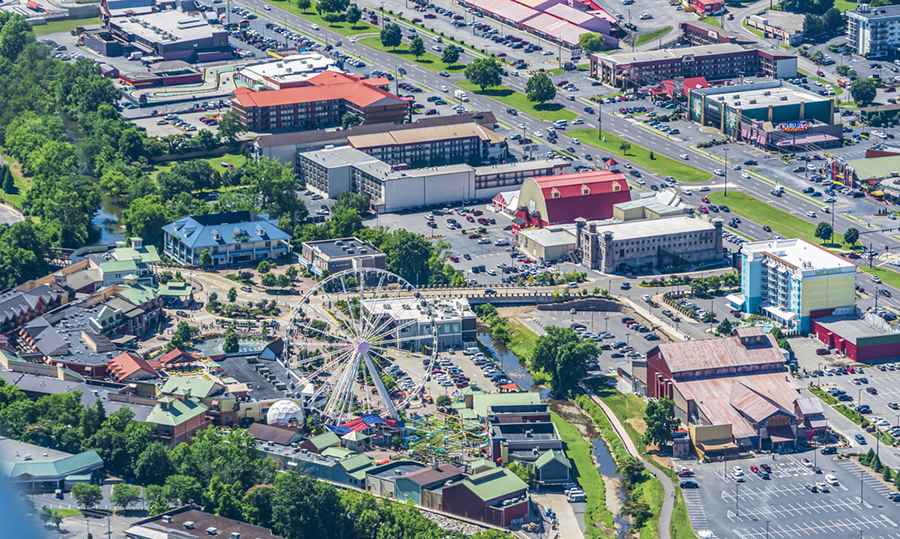
| Pigeon Forge: Operational Logistics | |
|---|---|
| Strategic Location | Central access to US-441 and Great Smoky Mountains NP |
| Accommodation Priority | Secure parking for RVs and oversized vehicles; logistical proximity |
| Driving Window | Early morning departure (06:00-07:00) to avoid park saturation |
| Resource Hubs | Regional Southern cuisine for high-calorie refueling |
Strategic Itinerary: Balancing Driving and Recovery
A professional itinerary in Pigeon Forge must balance technical driving with adequate recovery time. The region's top-tier attractions, from amusement parks to interactive museums, are high-density zones that require careful timing. To optimize your transit, verify the opening hours of primary **roads** and book access to major sites in advance. This preemptive planning prevents logistical bottlenecks and allows you to focus on the mechanical demands of the mountain passes during optimal daylight hours.
Choosing Allotjament Based on Vehicle Logistics
For motorists, the choice of accommodation is a tactical decision. Prioritize lodgings that offer expansive, secure parking, especially if you are **driving an RV** or towing a trailer. Proximity to key arteries like the Parkway is essential for quick departures, while choosing a site with inclusive breakfast services provides the necessary fuel for a full day of mountain maneuvering. Reviewing the latest technical feedback from other drivers can help identify locations that offer the best balance of quiet surroundings and logistical convenience.
Executing the Great Smoky Mountains Transit
No operation in Pigeon Forge is complete without navigating the Great Smoky Mountains National Park. This protected road network requires specific focus:
- High-Elevation Routes: Roads leading to Clingmans Dome or Newfound Gap feature steep gradients and sharp switchbacks that test braking systems.
- Scenic Loops: The Cades Cove Loop Road is a high-saturation area; early arrival is mandatory to manage the slow-moving traffic and frequent wildlife crossings.
- Access Points: Use visitor centers as logistical checkpoints to verify the latest **road conditions** and weather telemetry before ascending to higher altitudes.
Fueling and Local Infrastructure
Pigeon Forge provides a robust network of regional Southern cuisine, essential for maintaining the physical stamina required for technical **driving**. From high-protein trout to traditional biscuits and gravy, the local food scene is a critical part of the refueling process. Furthermore, the town’s entertainment infrastructure—including live theater and musical performances—offers a structured environment for mental recovery after a day of navigating high-stakes mountain roads.
Conclusion: The Professional Approach to the Smoky Mountains
A successful stay in Pigeon Forge is defined by logistical discipline. By selecting the right base of operations, planning your transits around peak saturation, and respecting the technical demands of the Smoky Mountain road network, you ensure a safe and efficient expedition. **Driving in Tennessee** rewards those who prepare for the terrain and respect the local infrastructure. Master your logistics, secure your vehicle, and experience the best of the Appalachian roads with confidence.
Image credit: Depositphotos