Alpine Taverns and Remote Stops: The Role of Gastronomy on European Routes
For those navigating Europe’s most demanding mountain passes and isolated rural roads, local cuisine is more than just a cultural experience; it is a vital part of the journey’s logistics. From the high-calorie stews of the Pyrenees to the resilient fare of the Carpathian Mountains, understanding the regional food landscape is essential for maintaining energy and focus during long-distance driving expeditions.
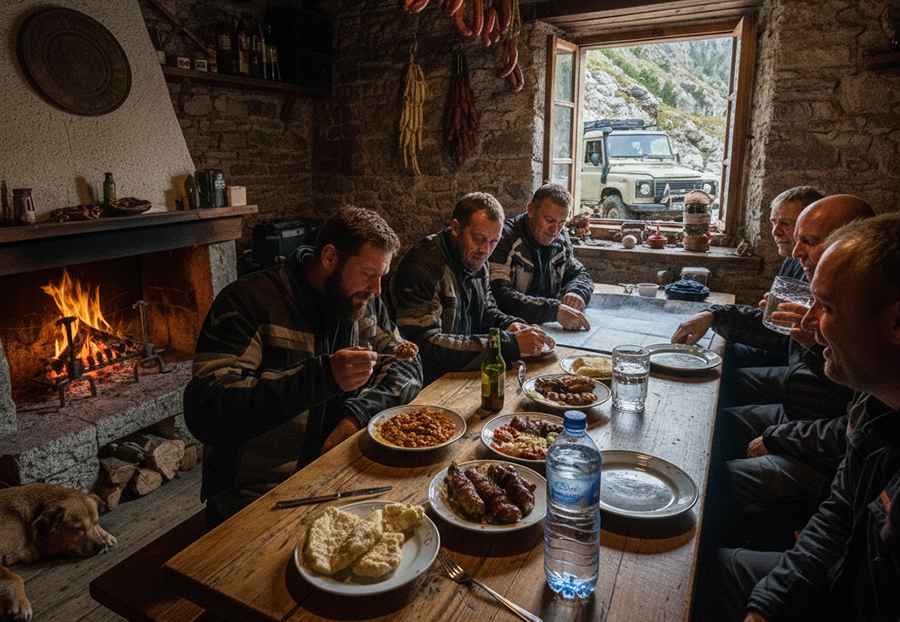
| High-Altitude Logistics: European Road Fare | |
|---|---|
| Northern Europe | Preserved meats and root vegetables (High endurance) |
| Alpine Regions | High-fat cheeses and pasta (Cold weather energy) |
| The Balkans | Grilled meats and flatbreads (Fast, high-protein stops) |
| Hydration Rule | Avoid alcohol in high-altitude mountain passes |
Fueling the Driver: Beyond the Flavors
Each European region's cuisine reflects its geography and the needs of those who traverse it. In Northern Europe, the fare is designed for endurance in harsh climates, focusing on calories that burn slowly. Conversely, Mediterranean mountain roads offer lighter but nutrient-dense options. When planning a route through the Alps, choosing heavy, traditional "hut" food provides the necessary thermal energy to combat sudden drops in temperature during high-altitude stops.
The Universal Language of the Roadside Stop
In remote European corners, the act of "breaking bread" at a roadside tavern is a universal way to gain local intelligence. Small-town cafes and mountain refuges are where drivers share information about road closures, weather conditions, and mechanical help. Whether it's a French family meal in the Massif Central or tapas in the Picos de Europa, these shared experiences provide insights into the local terrain that no GPS can offer.
Preserving the "Slow Food" Traditions
Many of Europe's most dangerous roads lead to isolated communities that act as custodians of ancient culinary traditions. The meticulous preparation of cheese in the French Alps or traditional sausages in the Romanian mountains are living traditions. For the adventure traveler, supporting these local producers is a form of sustainable tourism that ensures these remote mountain villages—and the roads that lead to them—remain active and maintained.
Culinary Diplomacy on the Frontier
Gastronomy serves as a bridge when crossing European borders, especially in the Balkans or the East. Festivals and local food markets are often the best places to understand a nation’s identity and current state. For the overlander, engaging with local food is a tangible expression of respect, building bridges between travelers and the people who maintain these challenging routes through their home countries.
Conclusion: The Practical Side of European Taste
In conclusion, European cuisine on the road is far more than a sensory journey; it is a conduit for safety and cultural connection. Whether it’s a bowl of Goulash after a grueling drive through the Tatras or a simple bruschetta in the Italian Apennines, each dish tells the story of the land and the people who have conquered its most difficult paths.