Coastal Roads: Technical Driving and Photography Strategies for Shoreline Routes
Coastal roads represent some of the most complex engineering feats and visually demanding driving environments globally. From the salt-mist corrosion of the Pacific Coast Highway to the extreme wind-shear conditions of the Great Ocean Road, navigating the interface between land and sea requires specific tactical awareness. This guide analyzes the operational challenges and technical opportunities for capturing the scale of these iconic shorelines.
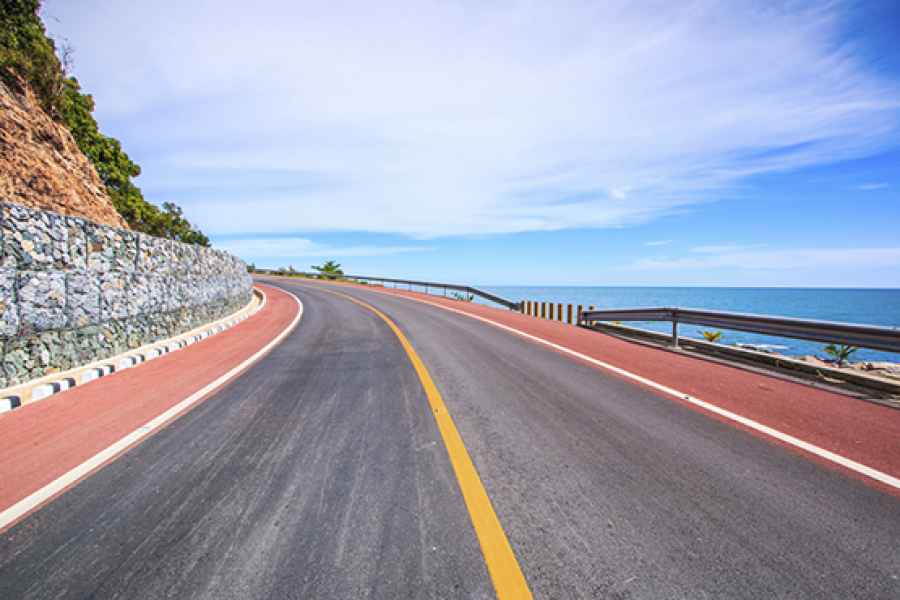
| Coastal Expedition Variables | |
|---|---|
| Major Hazards | Cliff-edge erosion, salt-mist visibility & unpredictable crosswinds |
| Vehicle Maintenance | Post-drive chassis wash to prevent saline oxidation |
| Optimal Timing | Golden Hour for low-angle lighting on vertical rock faces |
1. Navigating High-Altitude Coastal Vertigo
Driving along cliff-hugging routes like the Pacific Coast Highway demands high concentration due to the vertical drop-offs and narrow shoulder clearances. In these sectors, vehicle weight distribution and braking efficiency are paramount, especially during rapid descents into hidden coves. Drivers must also account for sudden fog banks (marine layers) that can reduce visibility to near-zero within seconds, requiring high-intensity fog lighting and reduced transit speeds.
2. Technical Photography: Capturing Scale and Perspective
To document the true scale of a coastal road, the "windshield view" is rarely sufficient. Utilizing the road's geometry as a leading line helps illustrate the engineering challenge of carving tarmac into a cliffside. For routes like the Great Ocean Road, photographers should focus on the juxtaposition of the fragile limestone stacks against the rigid asphalt. Using a wide-angle lens at a low aperture allows for deep focus, capturing both the texture of the road and the distant horizon.
3. Environmental Impact and Vehicle Longevity
Continuous exposure to salt spray is the primary silent threat to expedition vehicles. Saline particles accelerate the oxidation of exposed suspension components and brake lines. After completing a coastal transit, a high-pressure undercarriage wash is mandatory to remove corrosive deposits. Furthermore, unpredictable crosswinds coming off the ocean can affect the aerodynamics of high-profile vehicles (SUVs and Vans), requiring constant steering corrections to maintain lane integrity.
4. Logistics of Access: Beaches and Tidal Zones
Coastal roads often provide access to secluded shorelines, but these "hidden coves" often have restricted entry points with steep gradients or sandy surfaces. Before exiting the tarmac, verify your vehicle’s clearance and tire pressure requirements for soft-sand recovery. Understanding local tidal charts is also a critical safety protocol; many coastal access roads can become inundated during high tide, potentially stranding vehicles in corrosive saltwater zones.
Conclusion
A coastal road trip is a masterclass in balancing scenic appreciation with technical driving discipline. By respecting the volatile weather patterns and the corrosive nature of the marine environment, the modern explorer can successfully navigate these spectacular shorelines and document the profound engineering of the world’s most iconic littoral routes.