Adventure Cycling: Why the Bicycle is the Ultimate Test on Dangerous Routes
While most travelers explore the world’s most dangerous roads in 4x4s or motorcycles, cycling offers a raw, unshielded perspective of the terrain. Whether crossing the high-altitude passes of the Andes or navigating the dense traffic of Southeast Asia, a bicycle is an efficient, low-cost, and high-impact way to experience the world's most challenging landscapes.
| Adventure Cycling: Critical Logistics | |
|---|---|
| Operational Cost | Nearly $0 fuel cost; minimal maintenance ($135/year) |
| Navigation Speed | Avg. 15-18 mph (Unstuck by urban gridlock) |
| Hazard Level | Extreme (Zero protection from traffic or weather) |
| Environmental Impact | Minimal footprint; no fuel emissions |
Efficiency and Logistics in Remote Areas
In many remote parts of Canada and the United States, gas stations can be hundreds of miles apart. For a self-sufficient traveler, a bicycle eliminates fuel dependency. While a car costs around $0.09 per mile in maintenance, a well-equipped touring bike requires only basic spares (chains, cables, and brake pads). This allows adventurers to invest their budget into better gear or longer expeditions rather than logistics.
The Speed Advantage in Urban Chaos
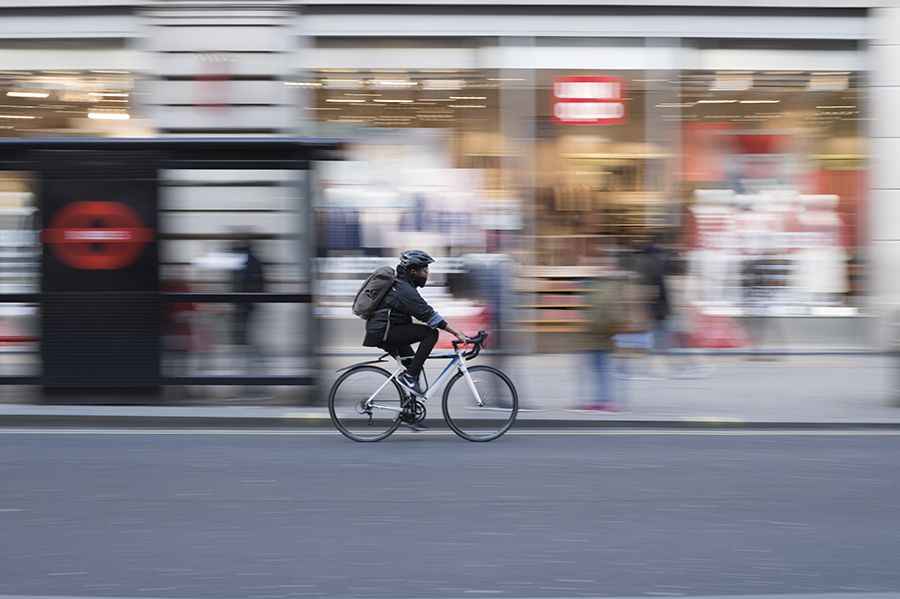
On populated routes, the fastest mode of transportation is often the one that can bypass traffic jams. While cars are restricted by speed limits and gridlock, a cyclist can maintain a steady pace. In cities with developing cycling infrastructure, dedicated lanes provide a safety buffer from heavy vehicle traffic, allowing riders to move directly from point A to point B without the delays of public transport schedules.
Health and Mental Resilience
Cycling the world’s most demanding roads is as much a mental challenge as a physical one. Regular activity helps prevent heart conditions and high blood pressure, but the real benefit is cognitive. The focus required to navigate a steep gravel descent or a crowded mountain pass improves mood and manages the stress of long-term travel. It is the ultimate way to put your endurance back on track.
Environmental and Social Responsibility
Car manufacturing takes a serious toll on the environment, requiring raw materials like steel, rubber, and plastics that are rarely recycled. Bicycles use significantly fewer materials and produce zero air pollution. In fragile ecosystems, such as high-altitude plateaus or protected jungles, the low footprint of a bike ensures that the explorer leaves no trace of oil spills or combustion emissions.
Security and Stealth Parking
Unlike a 4x4 that requires a secure lot, a bicycle offers "stealth" parking options. Whether in a rural village or a crowded campus, finding a spot is easy. However, security is paramount on dangerous routes:
- Locking Strategy: Use a high-quality D-lock; avoid thin cables that can be cut with handheld tools.
- Anchor Points: Always lock to immovable metal poles, ensuring the chain goes through both the frame and the wheels.
- Visibility: In remote areas, keep the bike out of sight when camping to avoid attracting unwanted attention.
Note: Cycling on hazardous roads requires professional-grade gear, including high-visibility lights and waterproof equipment. Always check local weather and road conditions before starting a climb.