Scenic Adrenaline: 7 Dangerous European Routes Built for the View
Europe offers a masterclass in mountain engineering and coastal audacity. From the zig-zagging passes of the Alps to the Atlantic-battered bridges of Norway, the continent is home to some of the most technical and rewarding drives on Earth. However, these "bucket-list" roads are unforgiving; they demand high-altitude focus, mechanical preparation, and a deep respect for seasonal weather shifts.
| Europe’s High-Altitude Icons | |
|---|---|
| Stelvio Pass (Italy) | 48 hairpin turns / 2,757m elevation |
| Transfăgărășan (Romania) | Strategic military design / 90 km length |
| Svalvogavegur (Iceland) | Route 622 / Unpaved cliffside coastal road |
| Furka Pass (Switzerland) | James Bond "Goldfinger" location / 2,429m |
1. Atlantic Road, Norway: The Ocean’s Edge
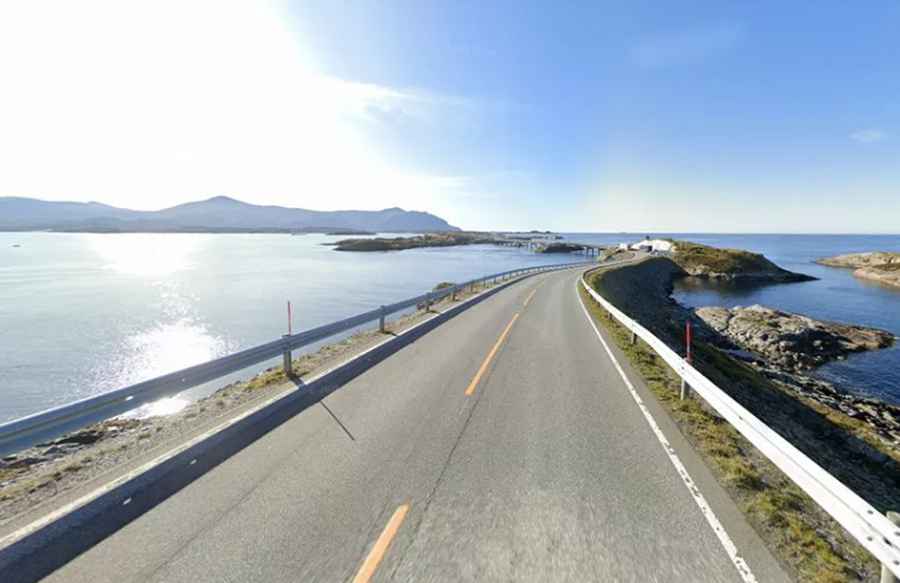
Known as Atlanterhavsvegen, the Atlantic Ocean Road is an 8-kilometer stretch that becomes one of the most hazardous drives in Europe during Atlantic storms. The route connects the mainland to Averøy via a series of eight bridges. The most iconic, Storseisundet Bridge, creates a "bridge to nowhere" illusion that tests the nerves of any driver when waves crash over the asphalt.
2. Stelvio Pass, Italy: 48 Hairpin Turns
The Passo dello Stelvio is the highest paved mountain pass in the Eastern Alps. Its legendary north ramp features 48 numbered hairpin turns. Reaching an elevation of 2,757m (9,045 ft), it is a mechanical challenge for brakes and cooling systems. Due to heavy snowfall, it remains closed for the majority of the year, typically opening only from June to October.
3. Svalvogavegur Road (Route 622), Iceland
Arguably Iceland’s most dangerous coastal track, Route 622 (Svalvogavegur) is carved between sheer cliffs and the ocean. This 46-kilometer route is strictly for high-clearance 4x4 vehicles. Parts of the road are submerged during high tide, and the threat of rockfalls is constant. Self-sufficiency is mandatory, as cell coverage is non-existent in this remote fjord region.
4. The Transfăgărășan, Romania: The Dragon’s Path
The Transfăgărășan (DN7C) crosses the Făgăraș Mountains in the Carpathians. Built in the 1970s as a strategic military route, it reaches an altitude of 2,042m. The road is famous for its steep descents, long tunnels, and S-curves that require constant focus. It is often cited as one of the best driving roads in the world, provided you respect its technical difficulty.
5. Furka Pass, Switzerland: The Alpine High
Immortalized by James Bond, the Furka Pass connects Gletsch to Realp at 2,429m. The road offers direct views of the Rhône Glacier but features narrow segments with minimal protection. In wet or foggy conditions, the lack of guardrails makes it a high-consequence drive that should only be attempted by experienced motorists.
6. Adriatic Highway, Croatia: The Coastal Edge
The Adriatic Highway (Jadranska Magistrala) follows the rugged Croatian coastline. While picturesque, the road is notorious for being narrow and lacking modern safety barriers. With sheer drops into the sea and the unpredictable Bura winds, navigating its blind corners requires absolute concentration, especially during the high-traffic summer season.
7. Patiopoulo-Perdikaki Road, Greece: The Unpaved Challenge
The Patiopoulo-Perdikaki Road is a mountain track that regularly appears on "most dangerous" lists. This route in Greece is extremely narrow, features massive drops, and is almost entirely devoid of barriers. With a significant portion remaining unpaved, it becomes lethally slippery during rain, testing the limits of any vehicle's traction.
Conclusion: Preparation for the European Backroads
Driving Europe’s most dangerous routes is a privilege that comes with responsibility. Before heading out, ensure your vehicle is up-to-date on inspections, carry a physical topographical map for zones without signal, and always respect seasonal closures. The views are majestic, but the road is the master.