6 Best Countries for High-Altitude Trekking
For the road explorer, trekking is the natural extension of a vehicle expedition. Often, the world’s most spectacular geographical features are located just beyond where the pavement—or the dirt track—ends. Mastering the transition from 4x4 navigation to high-altitude trekking allows you to reach the true summits and viewpoints that define the world's most extreme landscapes.
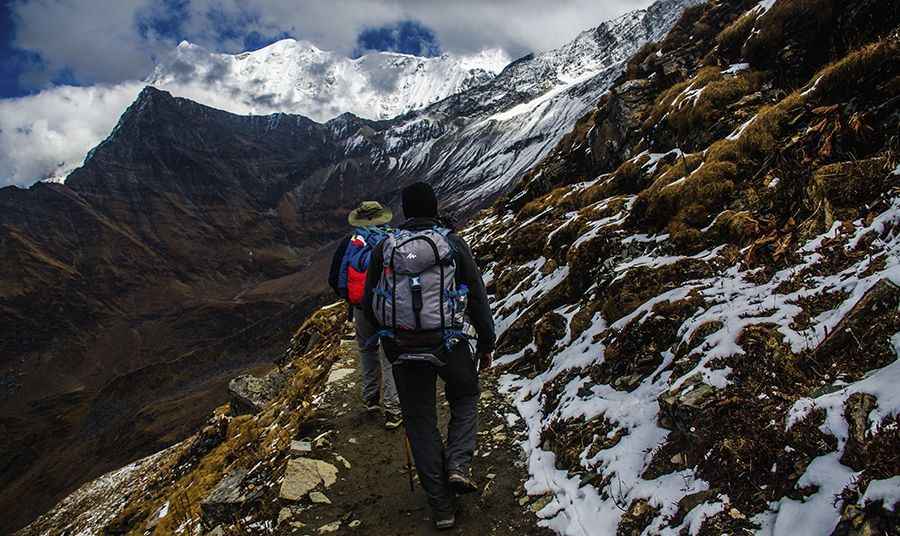
| High-Altitude Trekking Logistics | |
|---|---|
| Top Terrains | The Himalayas, The Andes, Norwegian Fjords |
| Navigation | Offline Topographical Maps & Altimeters |
| Safety Focus | Acclimatization & Rapid Weather Shifts |
| Primary Gear | Technical Alpine Boots & Hydration Systems |
1. Nepal: The High-Altitude Benchmark
Nepal is the ultimate destination for those seeking to test their limits at the "roof of the world." Beyond the famous drive to the foothills, the trekking routes here offer unparalleled verticality.
- Key Routes: The Annapurna Circuit and Everest Base Camp.
- Technical Note: These treks require rigorous acclimatization protocols. Driving rapidly to high altitudes before starting a trek significantly increases the risk of AMS (Acute Mountain Sickness).
2. New Zealand: Extreme Topography
Known for its unpredictable weather and steep glacial valleys, New Zealand offers some of the most technical trails in the Southern Hemisphere. While the roads are scenic, the true adrenaline is found in the Fiordland National Park.
- Logistics: Routes like the Routeburn or Milford tracks require advanced booking and self-sufficiency in remote wilderness where rescue services are limited.
3. Norway: Fjords and Glacial Engineering
Norway combines world-class coastal drives with steep, vertical ascents. The Jotunheimen region is home to Galdhøpiggen (2,469m), where hikers must navigate through glaciers and rocky ridges that parallel some of Europe's highest mountain roads.
4. United States: The Wilderness Standard
From the sheer granite walls of Yosemite to the vast vertical drops of the Grand Canyon, the US National Park system provides a masterclass in varied terrain. The Appalachian Trail remains a logistical marvel for long-distance endurance, passing through 14 states and diverse climatic zones.
5. Argentina: The Patagonian Frontier
Patagonia is synonymous with high winds and granite spires. Trekking in El Chaltén or near the Andes requires gear capable of withstanding 100km/h gusts. The terrain is a mix of sprawling grasslands and steep, rocky technical trails that demand precise footwork and navigation.
6. South Africa: The Drakensberg Escarpment
The Drakensberg Mountain Range offers massive vertical walls and high-altitude plateaus. The climbs here are famous for their technical difficulty and the rapid onset of mist and storms, making it a high-risk, high-reward destination for seasoned trekkers.
Conclusion
Trekking is the ultimate way to complete your understanding of a country's geography. By preparing with the right gear and respecting the logistical demands of high-altitude environments, you can reach the summits that most drivers only see from the valley floor. Always plan for weather volatility and ensure your navigation tools are as rugged as the terrain.