Peak Season Resilience: Navigating Holiday Road Hazards
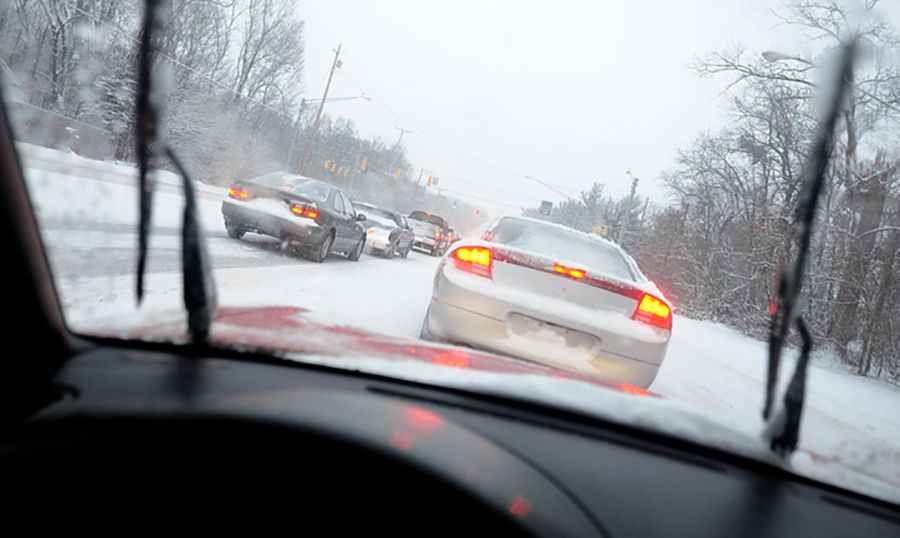
The holiday season presents a unique set of challenges for the long-distance driver. Beyond the logistical stress of increased traffic, travelers often face the most unpredictable weather conditions of the year. During these peak periods, safety isn't just about vehicle maintenance; it’s about strategic timing and defensive driving in environments where the margin for error is significantly reduced by ice, snow, and driver fatigue.
| Holiday Expedition Essentials | |
|---|---|
| Visibility | Anti-fog treatment and premium winter wiper blades. |
| Traction | Snow chains or winter-rated tires (check local laws). |
| Safety Kit | Thermal blankets, emergency rations, and a shovel. |
| Planning | Offline maps and real-time weather monitoring apps. |
1. Winter Mechanical Readiness
Before heading out on high-altitude routes like the Loveland Pass or Maja e Thanasit during the winter months, your vehicle must be winterized. This goes beyond checking the oil. Ensure your battery is at full health (cold starts put massive strain on old batteries) and that your coolant has the correct antifreeze concentration for sub-zero temperatures. In high-risk areas, a mechanical failure isn't just an inconvenience; it can lead to a dangerous survival situation.
2. The Strategy of Timing
To avoid the most congested and dangerous periods, plan your departure for "off-peak" hours. Early morning starts (before dawn) often allow you to clear major mountain bottlenecks before the bulk of holiday traffic arrives. However, be aware of "black ice" in the early hours; what looks like a wet road can be a skating rink. If the weather forecast predicts a blizzard, the only safe move is to delay the trip. No holiday deadline is worth a total loss of vehicle control.
3. Self-Sufficiency and Emergency Rations
Traffic jams on remote highways can last for hours, sometimes overnight if a pass is blocked by an accident or a landslide. Never travel during the holiday season without a dedicated survival kit in the cabin. This should include high-calorie snacks, several liters of water, and extra warm clothing accessible without opening the main luggage area. Keeping your fuel tank above half at all times is also a critical rule for winter safety.
4. Route Awareness and Navigation
Modern GPS is an excellent tool, but it often struggles with real-time pass closures or localized weather events. Always cross-reference your digital route with official mountain road reports. Understanding the topography of your journey—where the steepest inclines and most exposed sections are—allows you to anticipate where conditions might deteriorate. When everyone else is following the same GPS "shortcut," staying on the main, salted roads is often the safer, faster choice.
Conclusion
Traveling during the holidays requires a balance of patience and extreme preparation. By focusing on mechanical resilience and maintaining a high level of situational awareness, you can ensure that your journey remains an adventure rather than a crisis. Respect the road, monitor the weather, and prioritize safety over speed.