Europe's Most Dangerous Roads Every Adrenaline Junkie Should Visit
Europe offers some of the most spectacular engineering marvels in the world, but many of its historic mountain passes and coastal routes were never designed for modern traffic density. For the high-performance driver, these roads represent the ultimate test of braking systems, suspension, and psychological focus. Understanding the technical demands of these routes is essential before attempting them.
| Europe’s High-Risk Road Rankings | |
|---|---|
| Stelvio Pass (Italy) | 48 Hairpin bends | 2,757m altitude |
| Atlantic Road (Norway) | 8.3km length | High risk of oceanic swells |
| Furka Pass (Switzerland) | 2,429m altitude | Steep Rhone Glacier descent |
| Cat & Fiddle (UK) | 12km stretch | High fatality rate (Motorcycles) |
1. The Atlantic Road (Atlanterhavsveien), Norway
Spanning 8.27 kilometers and connecting the island of Averøy to the mainland, the Atlantic Ocean Road is a masterpiece of coastal engineering. However, its beauty is deceptive.
- The Danger: During autumn storms, massive waves from the Norwegian Sea frequently crash over the road surface, causing immediate hydroplaning and zero visibility. The Storseisundet Bridge, with its dramatic "optical illusion" curve, requires precise steering under high-wind conditions.
2. Stelvio Pass (Passo dello Stelvio), Italy
Located in the Ortler Alps, the Stelvio Pass is the second-highest paved mountain pass in the Alps. It is a technical nightmare for vehicles with long wheelbases.
- Technical Specs: The northern ramp features 48 numbered hairpin turns (tornanti). The road is narrow, and the concrete barriers are low, offering little protection against a vertical drop.
- Logistics: High risk of brake fade during the long descent. It is typically only open from June to October due to heavy snowfall.
3. Furka Pass, Switzerland
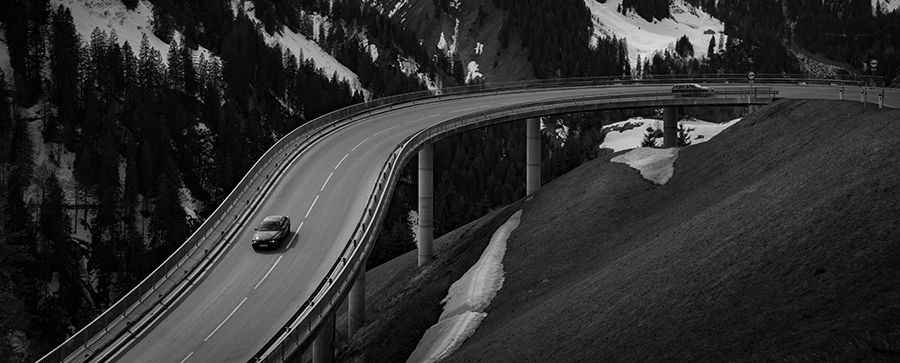
Famous for the legendary car chase in James Bond’s Goldfinger, the Furka Pass sits at an elevation of 2,429 meters. It links the cantons of Uri and Valais.
- Hazard Level: The road is extremely steep and lacks guardrails in several critical sections. The proximity to the Rhône Glacier means that even in summer, sudden temperature drops can create patches of "black ice" in the shadows of the peaks, requiring maximum traction control.
4. The Cat & Fiddle Road (A537), United Kingdom
Often cited as Britain’s most dangerous route, the Cat and Fiddle (A537) connects Macclesfield and Buxton through the Peak District.
- The "Widow Maker": Unlike Alpine passes, the danger here comes from the combination of blind bends, steep dips, and unforgiving dry stone walls. It has a high concentration of serious crashes, particularly involving motorcycles exceeding the technical limits of the curves.
Final Technical Advice for European Expeditions
Driving these routes requires more than just adrenaline; it requires a vehicle in peak mechanical condition. High-performance brake fluid and tires with optimal sidewall integrity are non-negotiable for these terrains. Always check real-time weather reports, as Alpine conditions can shift from sun to blizzard in less than 30 minutes.