Landmine Risks for Drivers: How to navigate affected zones safely?
Navigating post-conflict regions presents one of the most extreme hazards a driver can face: landmines. These silent remnants of war turn ordinary roads into lethal traps, often decades after the fighting has stopped. Whether you are driving through the Balkans, Southeast Asia, or the Middle East, understanding how to identify minefields and strictly adhering to safety protocols is a matter of life and death.
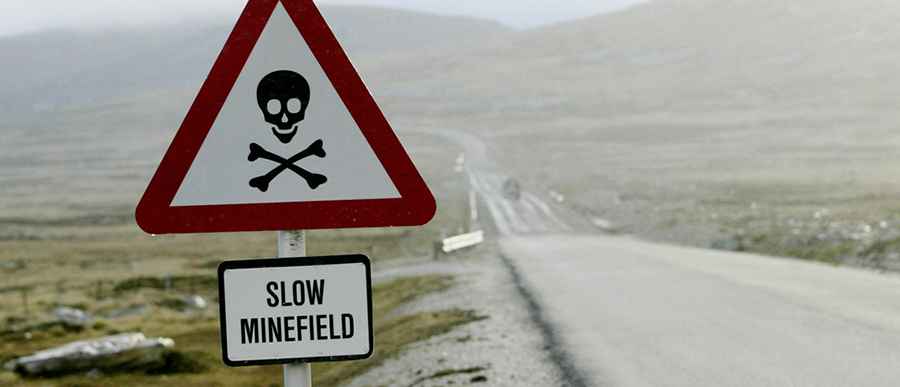
| High-Risk Regions for Landmines & UXO | |
|---|---|
| Europe (The Balkans) | Bosnia and Herzegovina, Croatia, Kosovo |
| Middle East & Asia | Afghanistan, Iraq, Syria, Vietnam, Cambodia |
| South America | Colombia (rural areas) |
| Critical Advice | NEVER drive off-road in affected zones. |
The associated risks for drivers in these zones include:
Unmarked Areas:
Landmines, concealed and challenging to detect, may lack clear markings in post-conflict zones, heightening the risk of accidental detonation.
Lack of Infrastructure:
War-torn areas often suffer from damaged infrastructure, impeding road conditions and signage. The absence of proper roads and warnings poses challenges for safe navigation.
Unstable Ground:
Military activities in conflict zones lead to ground instability, increasing the likelihood of landmines shifting and becoming threats to those in the area.
Inadequate Information:
Visitors may lack access to updated information about landmine locations, inadvertently entering hazardous zones due to insufficient awareness.
Presence of Unexploded Ordnance (UXO):
Alongside landmines, unexploded bombs and ordnance add to the risks, posing threats to drivers and pedestrians.
War Ruins:
Former frontline areas contain war ruins, debris, and remnants of military activities, harboring hidden dangers such as unstable structures and potential explosives.
Limited Emergency Services:
Emergency services may be scarce or unavailable in conflict zones, making immediate assistance challenging in case of incidents.
Long-lasting Impact:
Landmines remain active for extended periods after conflicts end, persisting as threats for years or even decades.
To mitigate these risks, individuals must adhere to warnings, respect marked boundaries, and stay on designated paths. While local authorities and international organizations work on mine clearance, progress can be slow. In uncertain areas, prioritizing updated information, exercising caution during travel, and avoiding off-road excursions are crucial for personal safety.
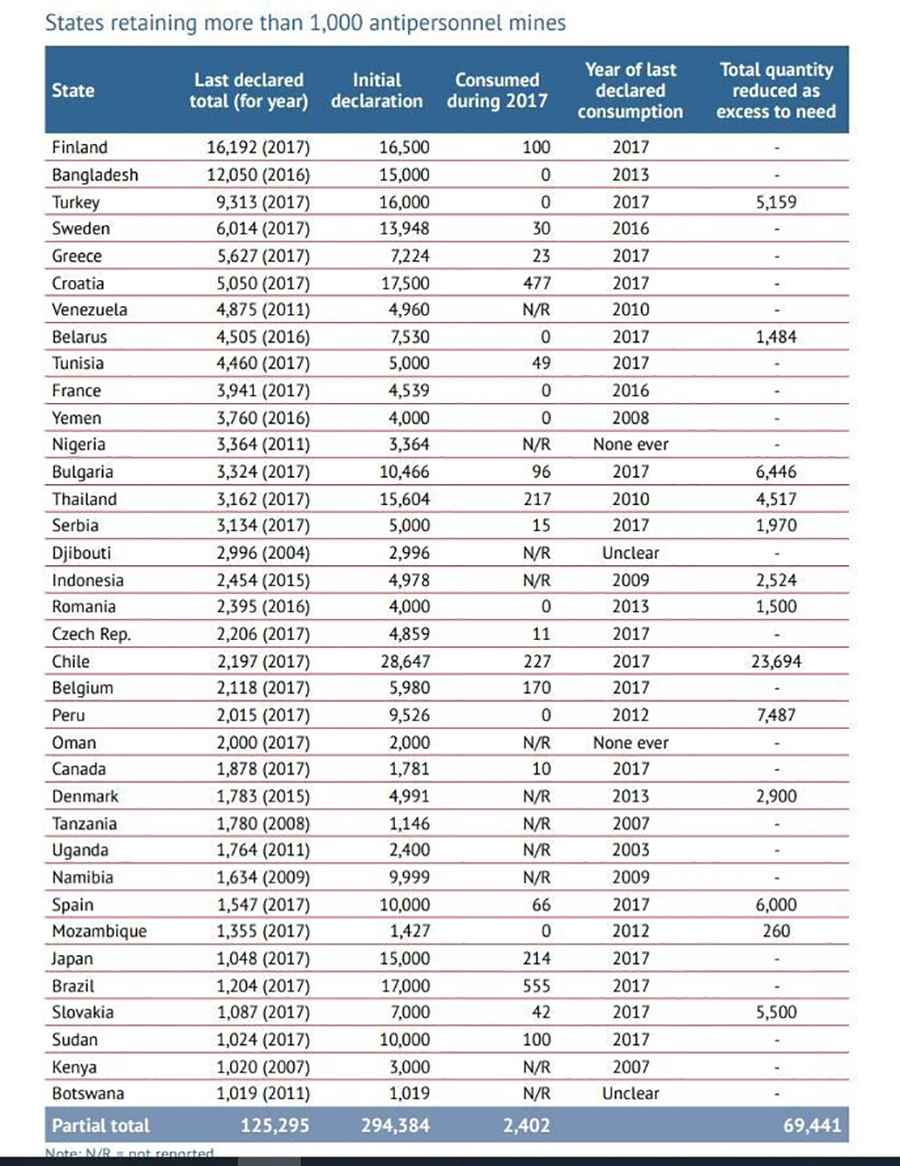
Landmine Risks in Distinct Regions: Country-specific Considerations
- Balkans (Bosnia and Herzegovina, Croatia, Kosovo): Heavily affected by conflicts in the 1990s, landmines persist in certain areas despite clearance efforts. Travelers should follow local guidance and stay on designated routes.
- Afghanistan: Decades of conflict have left Afghanistan with a significant landmine problem. Both anti-government forces and security forces have used landmines, posing risks in various regions.
- Cambodia: Challenges from landmines date back to the Khmer Rouge era. Ongoing efforts for clearance exist, but risks remain in certain regions.
- Colombia: Armed groups in Colombia have used landmines, especially in rural areas. Ongoing mine clearance and risk education efforts are in progress.
- Iraq: Conflicts, including the Gulf War and the Iraq War, have left some areas contaminated with landmines and unexploded ordnance.
- Mozambique: Landmines from the Mozambican Civil War pose risks, despite significant progress in clearance efforts.
- Vietnam: Landmines and unexploded ordnance from the Vietnam War continue to pose risks in certain areas, particularly along the border regions.
- South Sudan: Ongoing conflicts have led to the use of landmines, creating risks for civilians. Efforts are being made for clearance and awareness.
- Syria: The Syrian conflict has resulted in the use of landmines, adding to the challenges faced by civilians in affected areas.
The situation is dynamic, with ongoing mine clearance efforts. Travelers should consult relevant authorities, international organizations, and updated advisories before visiting conflict-affected areas.
Pic: https://www.weforum.org/agenda/2019/10/global-landmine-stockpiles/