Which U.S. State Ships Your Car Fastest — And Why It's Worth Checking First
Buyers hunting for a deal on Copart or IAAI tend to fixate on the bid amount and forget that geography quietly runs the whole show.
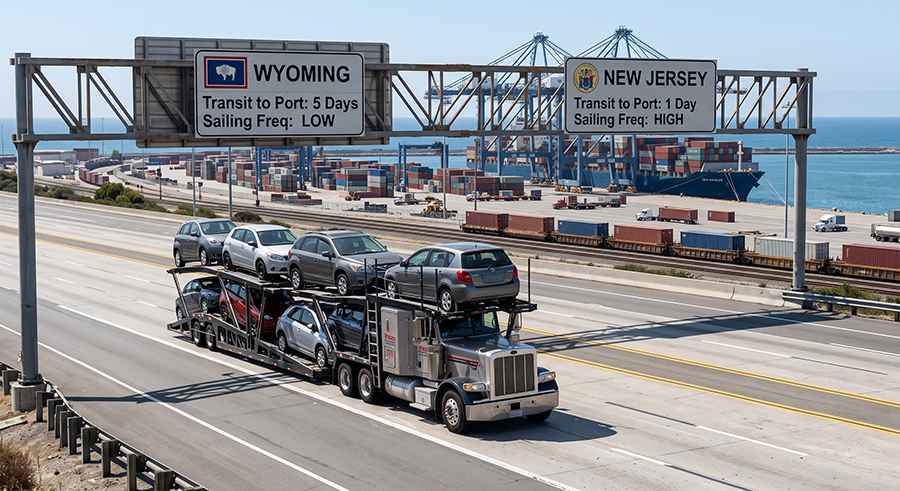
A lot sitting in New Jersey and an identical lot sitting in Wyoming can end up with wildly different shipping timelines, even though the car itself looks the same in the photos. Ports, sailing schedules, and inland distances vary state by state, and that variation shows up directly in how long a buyer waits — and how much they pay for the wait.
Before locking in on a specific yard, it helps to look at broader shipping data across states rather than guessing based on one listing. A resource like car auction shipping breaks down average transit windows by origin state, so instead of assuming "coastal is always faster," buyers can actually see which ports move fastest for a given destination. Sounds like a small step, but it changes how people shortlist lots in the first place.
Why state-by-state data actually matters
Of course, shipping speed means nothing if the car itself turns out to be a bad buy. That's where an auction vin lookup earns its place as a non-negotiable step — running the VIN before bidding reveals accident history, prior title status, and whether the car was ever flagged as a total loss. Skipping this step to save five minutes is how buyers end up with a Salvage title they didn't budget for.
A few reasons location changes more than people expect:
- Coastal states with major ports mean shorter inland tow distances
- Landlocked states often add a week or more before the car even reaches a dock
- Port congestion varies seasonally and isn't the same everywhere
- Some ports run more frequent sailings to specific overseas destinations
None of this is obvious from an auction listing alone — it only becomes clear once someone actually compares the numbers.
What a VIN lookup shows that photos never will
Auction photos capture a moment, not a history. A proper VIN check pulls up:
- Insurance claim history, including flood, collision, or theft records
- Verified mileage from past inspections or title transfers
- Title brand — Clean, Salvage, or Rebuilt
- Prior ownership count and general usage pattern
Here's the honest part: two cars can look nearly identical in listing photos and still carry completely different risk profiles once the VIN report comes back.
Combining both checks before bidding
Smart bidders treat shipping data and VIN history as one process, not two separate chores. Checking a state's typical shipping window helps set realistic expectations for delivery, while the VIN report protects against paying good money for a car that's structurally compromised. Skip either one, and the surprise usually shows up at the worst possible time — either a stalled shipment or a customs office flagging the title.
Final thought
Auctions move fast, and that pressure tempts buyers into skipping the boring parts — checking shipping stats, running a VIN report, comparing states instead of just chasing the lowest bid. But those boring parts are exactly what separates a smooth purchase from a months-long headache. A little research before the gavel falls costs almost nothing. Skipping it can cost thousands.