Post-drive inspection: Checking vehicle wear after harsh mountain routes
Driving through demanding mountain trails and unpaved passes subjects a vehicle to extreme structural and mechanical stress. Completing a harsh route requires a thorough post-drive inspection to detect hidden chassis cracks, fluid breakdown, and suspension play before entering the next track.
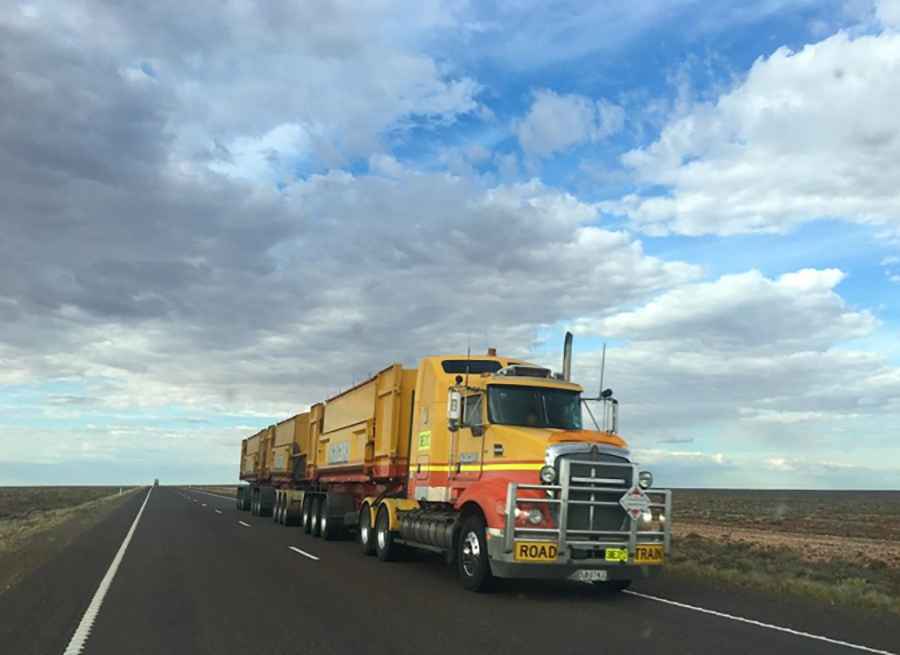
| Post-drive checklist: Mechanical wear | |
|---|---|
| Chassis Focus | Suspension mounts, subframe welds, and crossmember bars |
| Fluid Inspection | Gearbox oil, differential lubricants, and transfer case fluids |
| Underbody Damage | Dented skid plates, cracked rubber boots, and leaking shocks |
| Locking Gears | Pneumatic lines and electric actuator engagements |
How to inspect the chassis for stress fractures after rough tracks?
Continuous driving over severe washboard ripples and corrugated dirt roads subjects the vehicle frame to constant twisting forces. Drivers must clean the undercarriage and inspect the main weld lines around the front suspension towers and gearbox subframes. Micro-fractures appear as thin lines cutting through the factory paint or rust rings forming around structural joints, indicating metal fatigue that requires immediate welding repair.
What does burnt differential fluid indicate after steep climbs?
Tackling long mountain ascents with gradients above 15% forces the front and rear differentials to operate under high thermal loads. Drivers must check the color and smell of the gear lubricants after a heavy mountain transit. Dark, burnt-smelling oil reveals that the fluid has suffered thermal breakdown, losing its thickness and properties. Failing to flush this degraded oil leads to immediate friction wear on the inner ring and pinion gears.
How do river crossings damage underbody mechanical joints?
Wading through deep mountain streams or muddy tracks introduces water directly into hot mechanical housings. As the cold water cools down axles rapidly, the sudden pressure drop can suck moisture in through the differential breather valves. Drivers must inspect the oil texture; a milky, light-brown appearance indicates water contamination. This water mixture destroys lubricating capacity, necessitating a complete fluid change to protect bearings from rusting.
Which suspension components fail first on rough gravel trails?
The constant pounding from rocks and deep potholes wears down rubber bushings and shock absorber seals rapidly. Inspections should target hydraulic fluid stains running down the shock bodies, which signal blown internal seals. Checking the steering ball joints, stabilizer bars, and tie rod boots ensures that abrasive volcanic stone dust has not penetrated the moving parts, causing the steering linkages to bind or develop dangerous physical slack.