Beyond the Manual: How VR Simulation Prepares Drivers for Extreme Roads
As expedition routes become more technically demanding, traditional driver education is being replaced by high-fidelity Virtual Reality (VR) simulations. For those preparing to tackle high-risk environments like the Karakoram Highway, VR offers a safe yet visceral way to experience the consequences of mechanical failure, sudden landslides, or extreme weather without leaving the safety of a training facility.
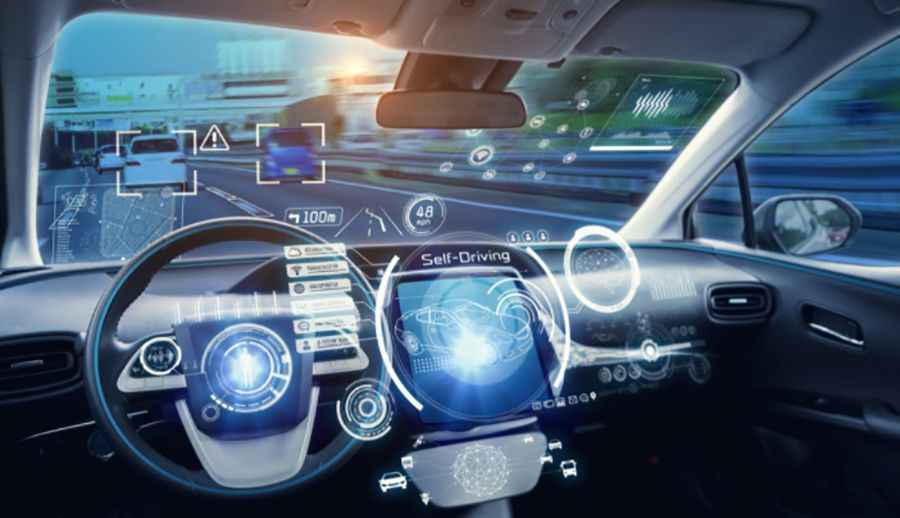
| VR Training for High-Risk Driving | |
|---|---|
| Primary Use Case | Hazard perception and emergency reaction training |
| Tech Advantage | 100% immersive risk without physical vehicle damage |
| Target Audience | Off-roaders, expedition leaders, and heavy freight drivers |
1. Beyond Basic Licensing: Tactical Hazard Perception
Traditional driving manuals fail to convey the sensory overload of a critical situation. Modern VR systems use haptic feedback and 360-degree visual immersion to simulate "black swan" events—unpredictable hazards such as brake failure on a 15% gradient or a sudden road collapse. By repeatedly exposing drivers to these high-stress scenarios, neurological "muscle memory" is built, allowing for faster and more accurate reactions when real-world conditions deteriorate.
2. Specialized Terrain Simulation
The latest generation of VR training modules allows drivers to "pre-drive" specific dangerous sectors. Using satellite telemetry and LIDAR scans, companies can recreate the exact topography of legendary routes like Ruta 40. This allows expedition teams to practice weight distribution management and technical maneuvering in a digital twin of the environment they are about to face.
3. Psychological Conditioning and Risk Awareness
One of the most effective applications of VR is demonstrating the fatal impact of distractions. Campaigns like AT&T’s early VR work proved that emotional immersion leads to long-term behavioral change. Today, this is taken a step further with multi-user simulations that emphasize empathy between motorists, cyclists, and pedestrians in congested mountain passes, where a single error in judgment can affect multiple lives.
Conclusion
Virtual Reality has transitioned from a marketing gimmick to a vital tool for road safety and expedition readiness. By bridging the gap between theoretical knowledge and real-world experience, VR ensures that your first mistake on a dangerous road isn't your last.