Hattingshoogte Pass: A Rugged High-Altitude Challenge in KwaZulu-Natal
Hattingshoogte Pass is a high mountain pass at an elevation of 1,965 meters (6,446 ft) above sea level in KwaZulu-Natal, South Africa. Located near the border with Eswatini, the unpaved track crosses high-altitude grasslands between Utrecht and Groenvlei.
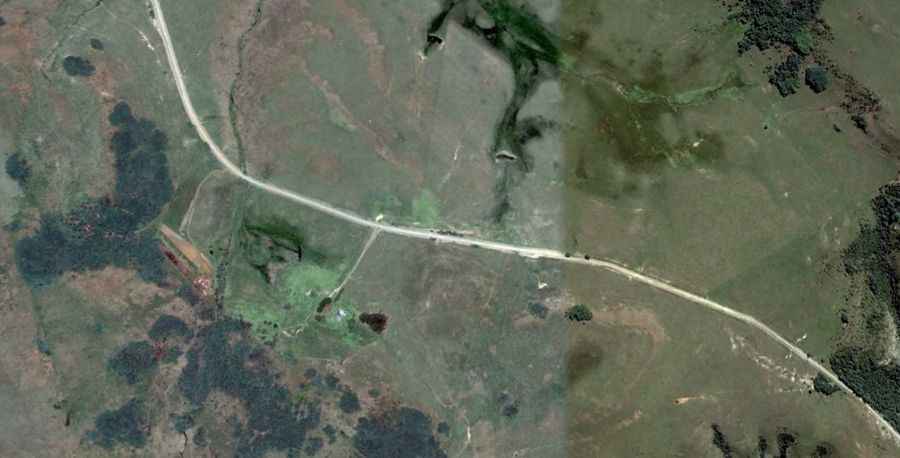
| Road facts: Hattingshoogte Pass | |
|---|---|
| Location | KwaZulu-Natal (South Africa) |
| Elevation | 1,965 m (6,446 ft) |
| Length | 24.0 km (14.9 miles) from P308 near Utrecht to Groenvlei |
| Max Gradient | 9% (1:11) |
| Surface | Unpaved gravel, shale rock, and clay earth |
| Vehicle Requirement | High-clearance 4WD required in wet conditions |
Where is Hattingshoogte Pass located?
The pass is situated in the western sector of KwaZulu-Natal, running east-northwest between the town of Utrecht (via the P308 road) and Groenvlei, near the Eswatini border region.
Is Hattingshoogte Pass unpaved?
Yes. The entire 24.0-kilometer route is unpaved, consisting of loose gravel, embedded rocks, and black clay soil. The track features steep climbs with sustained gradients reaching 9% (1:11).
What hazards exist when driving Hattingshoogte Pass?
The primary physical hazard is the high-clay roadbed, which turns into deep mud during summer rainstorms, causing vehicles to lose traction. Winter brings snow accumulation at 1,965 meters, while afternoon summer storms produce heavy lightning and severe wind squalls across the exposed grasslands.
How long is Hattingshoogte Pass?
The route spans 24.0 kilometers (14.9 miles) from the P308 junction near Utrecht to Groenvlei. Low-speed driving over loose rock and rutted clay sections makes the transit take over an hour in dry weather.