Ongeluks Nek Pass: The Ultimate Road Trip Guide
Ongeluks Nek Pass is an international high mountain pass at an elevation of 2,541 m (8,336 ft) above sea level, located on the border of South Africa and Lesotho. Do not travel this pass in severe weather conditions. It’s one of the highest roads in the country.
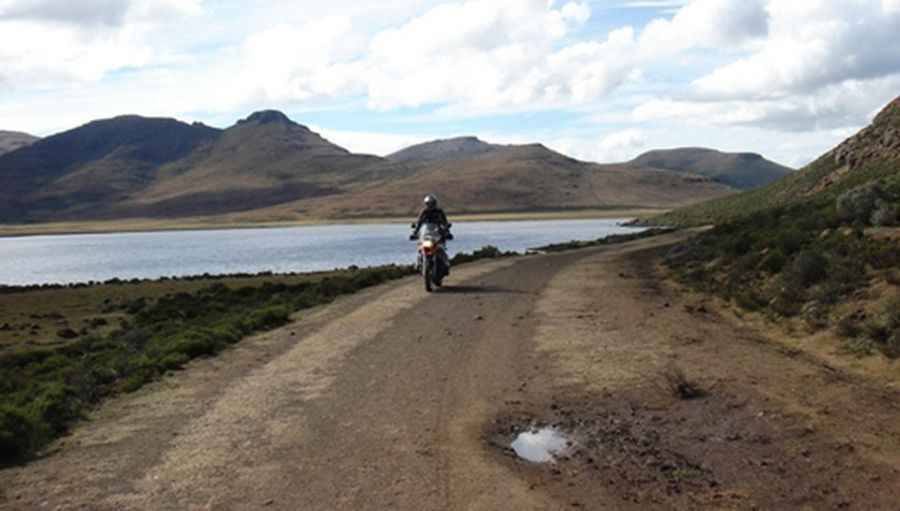
Where is Ongeluks Nek Pass?
The pass links the Quthing District of Lesotho and the northern part of the Eastern Cape Province of South Africa, within the Ongeluksnek Nature Reserve.
Why is it called Ongeluks Nek Pass?
The pass, also known as Ongeluksnek, translates to "Accident Neck." It was so named around 1860, after one of the trekkers in the Griqua trek to Nomansland died from a gunshot wound.
Is Ongeluks Nek Pass unpaved?
The road through the pass is totally unpaved and quite rocky. It’s not an easy drive. No road maintenance is done on this route. Off-road vehicles only. They must have low range and adequate ground clearance, as this track is usually rutted, muddy, and difficult to negotiate. The road is in danger of becoming impossible to traverse and severely damaged if not protected.
How to get ready to drive through Ongeluks Nek Pass?
Be very careful driving where you cannot see. It’s recommended that you get out of your vehicle and inspect the next kilometer on foot. If you dare to take the risk and travel along this dusty and bumpy route, make sure to be driven by someone with experience of the road. Vehicles should have low range and adequate ground clearance, as the track is usually rutted, muddy, and difficult to negotiate. With an average gradient of 1:9, vehicles with diff locks and high ground clearance will traverse this pass more easily. The higher you climb, the rougher and rockier the road gets. For safety, a minimum of two vehicles is recommended.
How long is Ongeluks Nek Pass?
The road through the pass is 28 km (18 miles) long, running east-west from Letlapeng (South Africa) to Makuaes (Lesotho).
What’s the weather like at Ongeluks Nek Pass?
Set high in the Drakensberg mountain range, this is a high rainfall area, so the track is often very muddy and slippery. You can expect high winds and electrical storms at the summit during summer, and snowfall during winter.
Pic: JonWoodgate