Driving Morocco: Mechanics and Logistics of the High Atlas and Sahara Pistes
The unpaved mountain tracks and desert pistes of Morocco run through extreme geomorphic terrains, stretching from the 3,000-meter ridges of the High Atlas to the sand expanses of the Sahara. Driving these routes forces vehicles to face deep volcanic rock beds, fine shifting silt known as fech-fech, and severe mechanical strains from heat and sudden mountain runoffs.
| Driving facts: Moroccan Backcountry Pistes | |
|---|---|
| Terrain Types | Corrugated dirt (tôle ondulée), loose shale, and fech-fech silt |
| Major Elevation Points | High Atlas passes exceeding 2,500 m (8,202 ft) |
| Primary Infrastructure Hazard | Dry riverbed crossings (oueds) prone to flash floods |
| Surface Status | Unmaintained gravel, unpaved desert tracks, and moving dunes |
How does Sahara sand and fech-fech silt damage vehicle engines?
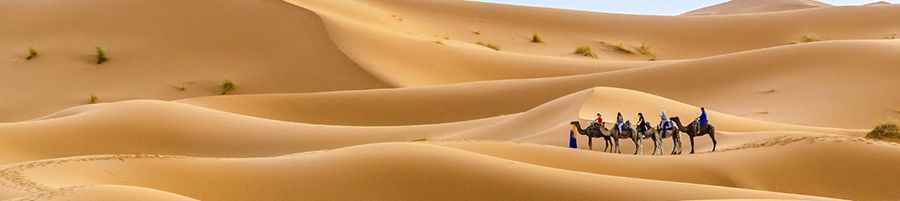
In the southern desert tracks, the ground consists of loose sand dunes and beds of fine microscopic silt called fech-fech. This fine dust hangs in the air and is highly abrasive. It quickly clogs standard engine air filters, blocking airflow to the cylinders and causing immediate horsepower drops. When vehicles drive in convoys or through sandstorms, the air filters get saturated in minutes. This dust intrusion requires using heavy-duty pre-cleaner snorkels that utilize centrifugal force to spin heavy dirt particles out before the air enters the main intake manifold, preventing terminal engine scoring.
Why do dry riverbeds pose sudden flash flood dangers on Moroccan pistes?
The desert valleys are creased by hundreds of dry riverbeds known as oueds. While these crossings usually look like flat, sandy paths, they are highly unstable. Rainstorms hitting mountain peaks dozens of kilometers away send a sudden wall of water rushing down the empty channels without warning. These rapid flash floods carry thick mud and heavy boulders that can wash a heavy four-wheel-drive truck off the track instantly. The loose clay and shifting sand on the bottom of the oueds can also trap vehicle tires, pinning the chassis down before the mountain water runoff reaches the crossing zone.
What mechanical breakdowns occur on High Atlas climbs and corrugated tracks?
Climbing the steep, unpaved tracks of the High Atlas puts intense thermal stress on car radiators. Driving up long dirt gradients in low gears means engines run at high revolutions per minute while vehicle speed is too slow to create natural airflow through the cooling fins. Above 2,500 meters, the low atmospheric pressure causes coolant to boil at lower temperatures, triggering sudden hose ruptures and blown radiator caps. Additionally, thousands of kilometers of hard-packed corrugated dirt tracks, known as tôle ondulée, create violent vibrations that rattle chassis bolts loose, cause rapid suspension fatigue, and allow sharp volcanic shale stones to slice open standard tire sidewalls.