Tizi n’Oughbar: Driving the technical R302 through the Atlas Mountains
Tizi n’Oughbar is a significant mountain pass reaching an elevation of 2,237m (7,339ft) above sea level in the heart of the Atlas Mountains, central Morocco. Traversed by the R302 road, this pass is a vital but high-consequence link between the northern and southern slopes of the range. The road is entirely unpaved, consisting of a raw mountain piste that represents a technical challenge for any motorist, where the combination of high altitude, unstable surface, and the lack of safety infrastructure defines the driving experience.
| Road facts: Tizi n’Oughbar | |
|---|---|
| Location | Central Atlas, Morocco |
| Max Elevation | 2,237m (7,339ft) |
| Length | 38 km (23.6 miles) |
| Road Number | Regional Road 302 (R302) |
How challenging is the 38-km unpaved transit from Ait M'hamed to Tamernout?
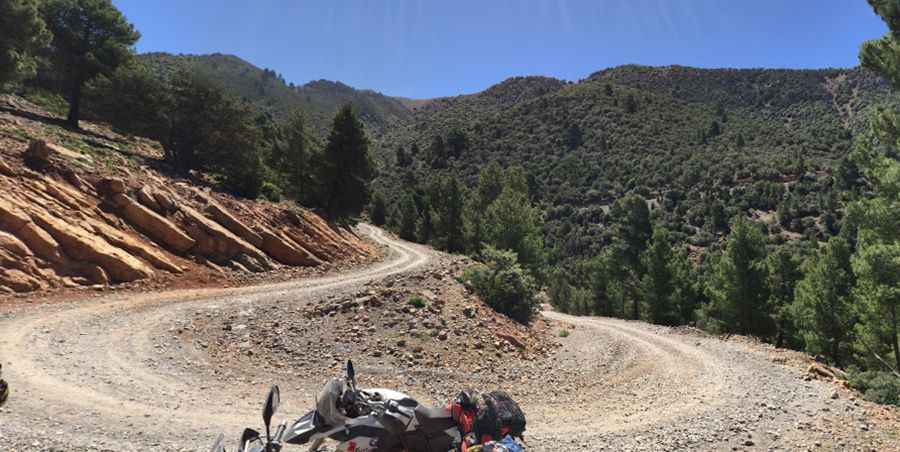
The journey across Tizi n’Oughbar spans 38 km, running north to south between the towns of Ait M'hamed and Tamernout. The challenge of this route is the sustained unpaved surface; the R302 is not a maintained gravel road, but a rough mountain track covered in loose shale and large stones. Navigating the 23 miles of this pass requires a high-clearance 4x4 and advanced off-road skills to manage the countless switchbacks. The surface is notoriously unstable, and maintaining a disciplined pace is essential to avoid tire damage or losing lateral traction on the steep, unprotected hairpins that characterize the climb and descent.
Why is the Atlas weather a permanent hazard on the R302?
At 2,237 meters, Tizi n’Oughbar is fully exposed to the volatile weather of the Moroccan high country. During the winter months, heavy snowfalls frequently block the pass, making the R302 impassable without specialized heavy machinery. In the shoulder seasons, sudden intense rainfalls can turn the dry dirt sections into a slippery mud trap, while simultaneously causing flash floods that wash out segments of the roadbed. These storms often deposit large boulders from the limestone cliffs directly onto the driving line, requiring high situational awareness and the ability to maneuver over deep ruts and debris that can snag the lower components of the vehicle.
What are the hazards of the steep drops and narrow forest sections?
The geography of the Tizi n’Oughbar transit is defined by its dramatic verticality. The road winds through dense cedar forests before climbing onto open mountain shelves where the track narrows significantly. In several sections, the R302 clings to the mountainside with steep drops and absolutely no guardrails or safety barriers. Meeting oncoming traffic—often local trucks or motorcycles—requires high-concentration maneuvers, sometimes involving reversing on crumbly shoulders to find a passing spot. The lack of lateral protection, combined with the loose rocky surface, makes the descent a high-stakes task that requires constant use of engine braking to prevent brake fade.
What mechanical preparation is needed for the Tizi n’Oughbar drive?
Crossing the 38 km of the unpaved R302 is a task that puts massive stress on your vehicle’s suspension and braking systems. Before starting the transit from Ait M'hamed, a full audit of your tires is mandatory, as the sharp Atlas rocks can easily compromise a sidewall. Carrying at least one full-sized spare tire and basic recovery gear is essential, as mechanical services are non-existent in this isolated sector of the mountains. Ensure your cooling system is in peak condition to handle the long climbs in low gear. This is a technical mountain drive where the mechanical integrity of your 4x4 and your ability to read the terrain are the only guarantees of a safe arrival.
Pic: Kovi