Driving to Tizi n’Izdaden: A high-altitude 4x4 challenge in the Atlas Mountains
Located in the heart of the Drâa-Tafilalet region, Tizi n’Izdaden is one of the highest and most demanding mountain passes in Morocco. Reaching an elevation of 2,832m (9,291ft) above sea level, this pass is a true test of endurance for off-road enthusiasts, crossing a barren and menacing desert landscape in the High Atlas range. It's one of the highest roads in the country.
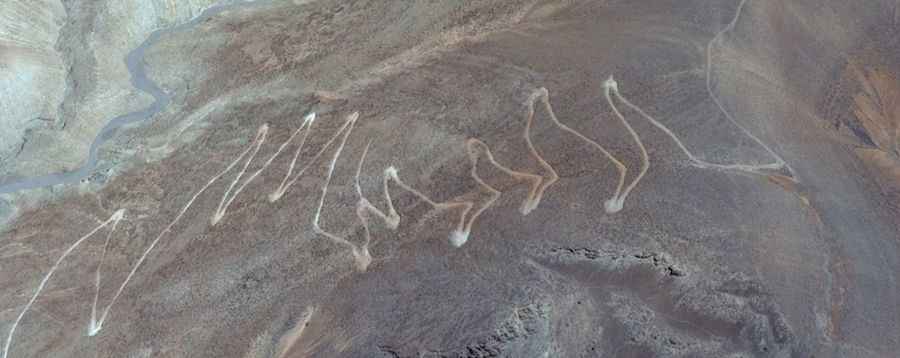
The journey to the summit is not a standard drive. The terrain is characterized by loose shale, jagged rocks, and high-altitude dust. It is a route where the mechanical limits of your vehicle are pushed to the edge. The trail demands a high-clearance 4x4 equipped with skid plates and differential lockers; attempting this with a stock vehicle is a recipe for mechanical failure or severe tire damage due to the sharp, volcanic-like rocks that litter the track.
| Road facts: Tizi n’Izdaden | |
|---|---|
| Location | Drâa-Tafilalet, Central Morocco |
| Elevation | 2,832 m (9,291 ft) |
| Length | 30 km (18.6 miles) from Taaraart |
| Max Gradient | Steep sections with 18 hairpins |
| Vehicle Required | Extreme 4x4 Only |
How long is the road to Tizi n’Izdaden?
The expedition starts from the remote settlement of Taaraart. From there, the road stretches for 30 km (18.6 miles) through a complex network of poorly defined tracks. Finding the correct route is notoriously difficult; even with a GPS tracklog, the shifting sands and lack of landmarks make route-finding a constant challenge. The first part of the drive involves navigating the lower desert plains before the real ascent begins.
The climax of the drive occurs near the summit, where the road features a stunning and brutal series of 18 sharp and steep hairpin turns. These switchbacks are carved into the side of the mountain with zero protection, requiring tight maneuvering and a steady hand. One miscalculation on these rocky climbs could lead to a dangerous slide down the scree slopes.
What are the survival risks on the Tizi n’Izdaden trail?
Safety is the primary concern for anyone attempting this pass. The area is extremely isolated, and you should never drive this trail alone. In the summer, temperatures can soar above 40°C, and at nearly 3,000 meters, the sun is relentless. Carrying a surplus of water and emergency supplies is mandatory, as help is many hours (or even days) away.
The lack of a well-defined road surface means that landslides or rockfalls can alter the trail at any time. The steepness near the end of the 30 km stretch puts immense pressure on your vehicle's cooling system and brakes. It is an adrenaline-pumping journey designed only for experienced desert drivers who are prepared for the raw, unpolished reality of the Moroccan High Atlas.