Tizi n’Inouzane: Driving the high-altitude P-7320 in Morocco
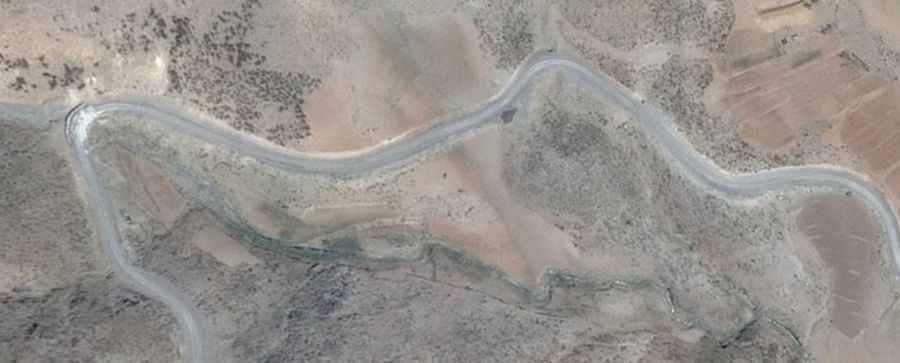
Tizi n’Inouzane is one of the highest mountain passes of Morocco, reaching an elevation of 2,626m (8,615ft) above sea level in the Drâa-Tafilalet region. Traversed by the P-7320 road, this high-altitude pass is a vital but technical link through the High Atlas Mountains. Although the surface is paved, the road is characterized by its extreme narrowness and the deteriorating state of the asphalt, where the lack of safety barriers and the constant risk of rockfall define the driving experience.
| Road facts: Tizi n’Inouzane | |
|---|---|
| Location | Drâa-Tafilalet, Morocco |
| Max Elevation | 2,626m (8,615ft) |
| Length | 18 km (11.1 miles) |
| Road Number | P-7320 |
How challenging is the 18-km transit on the P-7320 from Tireghiste to Taghighachte?
The journey across Tizi n’Inouzane spans 18 km, running north to south between the settlements of Tireghiste and Taghighachte. The challenge of this route is the narrowness of the P-7320; in many sections, the asphalt is barely wide enough for a single vehicle, forcing motorists to use the unpaved shoulders when meeting oncoming traffic. Navigating these twists and turns requires a disciplined velocity, as the road surface is often compromised by thermal cracks and loose gravel washed down from the surrounding slopes. The climb toward the 2,626m summit puts a sustained load on the engine, demanding total focus on the line to avoid the ragged edges of the pavement.
Why is the High Atlas weather a risk for the Tizi n’Inouzane pass?
At an altitude of over 2,600 meters, Tizi n’Inouzane faces extreme weather conditions that directly impact the road’s integrity. During winter, heavy snowfalls and ice can make the P-7320 impassable for weeks. In the shoulder seasons, sudden storms can cause flash floods that deposit mud and boulders directly onto the driving line. High winds are also a factor, often creating unpredictable gusts that can unsettle high-profile vehicles on the most exposed shelf sections. Maintaining situational awareness is vital, as a single downpour can turn the narrow asphalt track into a hazardous transit where traction is limited by the debris on the road.
What are the hazards of the unprotected drops on the P-7320?
The geography of the Tizi n’Inouzane transit is defined by its verticality. The road clings to the mountainside with steep, unprotected drops of hundreds of meters in several sections. There are no guardrails or safety barriers, meaning that any steering error or failure to pick the correct line can result in a high-consequence incident. Meeting local trucks or buses requires high-concentration maneuvers, often involving reversing to find a slightly wider segment of the track. The lack of lateral protection makes the descent particularly technical, requiring heavy reliance on engine braking to manage the vehicle’s momentum without overheating the brake pads.
What mechanical preparation is needed for the 2,626m Atlas climb?
Crossing the 18 km of the P-7320 is a task that puts massive stress on your vehicle’s cooling and braking systems. Before starting the climb from Tireghiste, a full audit of your tires and suspension is mandatory to handle the uneven asphalt and rocky shoulders. The thin air at high altitude will reduce engine performance while increasing operating temperatures. Carrying emergency supplies, extra fuel, and ensuring your battery is in peak condition for cold starts is essential. This is a demanding asphalt drive where the technical integrity of your car is the only guarantee of a safe arrival in the Drâa-Tafilalet region.