Nkaobee Pass: The relentless A25 road through Lesotho’s highlands
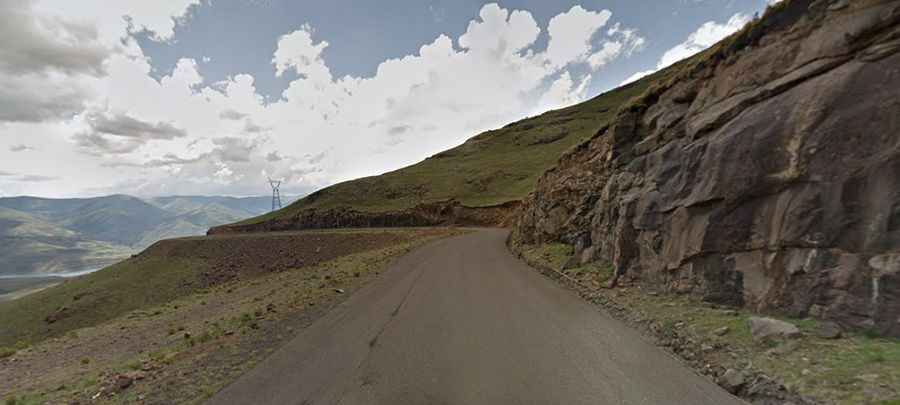
Nkaobee Pass is a high mountain pass at an elevation of 2,510 meters (8,234 ft) above sea level, located in the Leribè district of Lesotho. The road through the pass, known as the A25, is a grueling 105-kilometer journey that connects Ha Lejone with Thaba-Tseka. The physical reality of driving this route involves managing a weathered asphalt surface that is under constant attack from the extreme mountain climate, featuring a verticality that tests the engine's cooling system and the driver's endurance through hundreds of curves.
| Road facts: Nkaobee Pass (A25) | |
|---|---|
| Location | Leribè District, Lesotho |
| Elevation | 2,510m (8,234ft) |
| Length | 105 km (65 miles) |
| Road Surface | Paved (Weathered / Poor condition) |
How challenging is the A25 climb to Nkaobee Pass?
The 105-kilometer transit through the heart of Lesotho is a sustained test of vehicle integrity. While the road is technically asphalted, the surface is severely degraded with cracks and ruts that can destabilize a vehicle at speed. The climb to the 2,510-meter summit is steep and relentless, forcing the motor to work with significantly less oxygen. The logistics of the drive are dominated by an impossible-to-count number of hairpin turns—literally hundreds—that require constant gear changes and heavy steering input, making it one of the most fatiguing drives in the African highlands.
What are the hazards of driving through Lesotho’s highlands?
The primary hazard on Nkaobee Pass is the extreme isolation combined with the narrowness of the A25. The road clings to the mountain side with no guard rails, and the drops are vertical and unprotected. The physical reality of the surface is that it becomes "greasy" and incredibly slippery with the slightest rain or morning frost. Encountering heavy transport trucks on these narrow blind corners forces drivers to perform high-precision maneuvers on the very edge of the asphalt. Any mechanical failure, such as a burst radiator hose or a tire blowout, becomes a high-isolation survival situation in a region where help can be hours or even days away.
What is the logistical reality of the A25 mountain transit?
Crossing from Ha Lejone to Thaba-Tseka requires total preparation. Even though there is a small gas station at the pass summit, relying on it is a logistical risk as fuel supplies can be inconsistent in the remote highlands. The descent from 2,510 meters is a brutal grind on the braking system; relying on the pedal alone for such a long drop will glaze the pads and lead to brake fade. Drivers must use engine braking and maintain a low speed to manage the constant "winding" nature of the track. In winter, the pass is frequently blocked by snow and ice, turning the A25 into a logistical dead zone that should only be attempted with professional mountain equipment.
What mechanical prep is needed for the 2,510m Nkaobee climb?
Before heading out on the A25, verify that your cooling system is flushed and the fan is operational; the low-speed, high-altitude climb will push the motor's temperature to the limit. Check your brake pads and fluid levels, as the hundreds of hairpins will punish your calipers. Your tires must have deep tread and reinforced sidewalls to handle the broken edges of the old asphalt. Carry at least 20 liters of extra fuel, water, and warm clothing, as the temperature at the summit can drop below freezing in minutes. In Lesotho, your car's mechanical health is the only thing standing between a successful crossing and being stranded in the middle of the mountains.