How difficult is the road through Monontsha Pass between South Africa and Lesotho?
Monontsha Pass, also known as Monantsapas, is a high mountain pass reaching an elevation of 2,247m (7,372ft) above sea level on the border between South Africa and Lesotho. This crossing separates the Free State province from the Butha-Buthe district, sitting right on the steep escarpment of the Drakensberg. It is a route of two halves: a modern climb on the South African side that suddenly vanishes into a raw, unmaintained 4x4 track the moment you enter the Kingdom of Lesotho.
| Road facts: Monontsha Pass | |
|---|---|
| Location | Free State (South Africa) / Butha-Buthe (Lesotho) |
| Elevation | 2,247 m (7,372 ft) |
| Length | 24.5 km (15.2 miles) |
| Surface | Paved (SA) / Unpaved (Lesotho) |
| Vehicle Required | High-clearance 4x4 for the Lesotho side |
What is the road surface like on the Monontsha Pass?
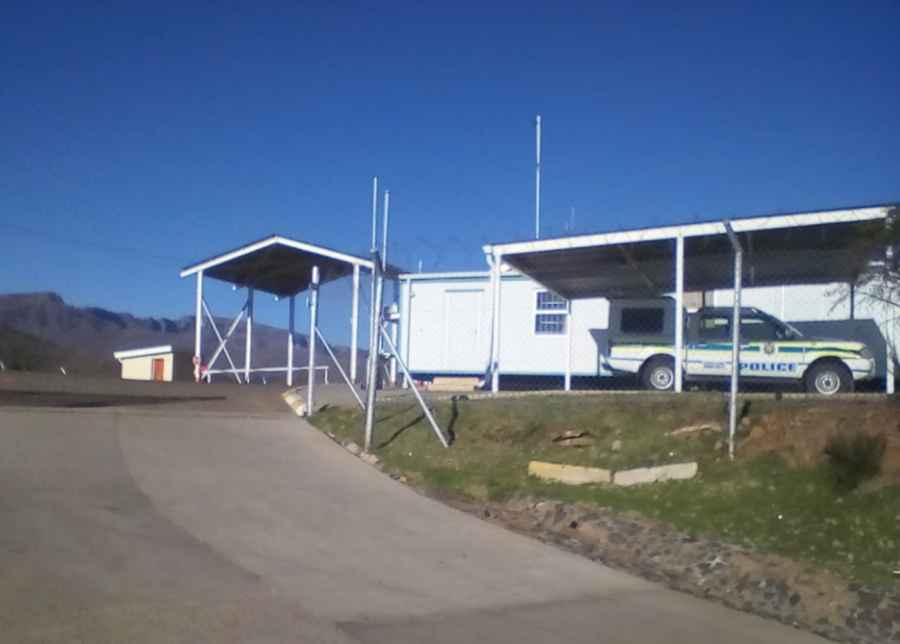
The 24.5 km (15.2 miles) drive is a total gamble depending on which country you are in. On the South African side, the Provincial Road S1579 was paved around 2020, offering a smooth but steep climb up to the border control point. However, once you cross into Lesotho, the asphalt disappears instantly. The road to Libono is entirely unpaved and consists of a mix of loose stones, deep ruts, and mud. While any car can reach the border from the South African side, entering Lesotho without a high-clearance 4x4 is a mistake; the track is often washed out and requires a vehicle that can take a beating on its undercarriage.
Why are the river crossings in Lesotho a major hazard?
The Lesotho section of the Monontsha Pass is notorious for its numerous river crossings. Unlike the South African side, where the infrastructure is maintained, the track in Lesotho forces you to drive directly through water courses that change depth with every rainstorm. These crossings are often filled with large, submerged rocks that can easily rip a hole in a standard car's oil pan. Before attempting to drive through, you must check the water level and be prepared for the car to slide on the mossy stones at the bottom. During the rainy season, these rivers can become impassable for days, leaving travelers stranded on the high escarpment.
Is Monontsha Pass dangerous in winter?
At an elevation of 2,247 meters, the pass is subject to extreme mountain weather. During the winter months, heavy snowfalls are common on the escarpment, turning both the paved S1579 and the unpaved Lesotho track into a death trap. The South African side, despite being paved, becomes an ice rink where standard tires offer zero grip on the steep gradients. In Lesotho, the snow hides the deep ruts and the river crossings, making it impossible to judge the depth of the hazards. If you see snow on the peaks of the Butha-Buthe district, you should avoid the pass entirely, as there is no roadside assistance and cell signal is almost non-existent once you leave the border post.
How to prepare for the drive through Monontsha?
Because the Lesotho side has no formal border control point and zero services, you must be entirely self-sufficient. Ensure your 4x4 is in top mechanical condition and carry at least one full-sized spare tire, as the sharp rocks in the Butha-Buthe district are known for shredding sidewalls. Fuel stations are far apart, so don't leave the Free State without a full tank. The drive from the rural village of Monontsha to Libono might only be 24.5 km, but the rough conditions and the slow pace required for the river crossings mean this short trip can take hours. Patience and a heavy-duty suspension are your best allies on this high-altitude border run.
Pic: SEEMA JAMES MOKOENA