Serra da Humbia: The Paved Alternative to Serra da Leba in Angola
Located in the Namibe and Huíla provinces of southern Angola, Serra da Humbia is a rugged mountain range crossed by the EN 280-2. This 108-kilometer paved highway serves as the strategic heavy-traffic alternative to the Serra da Leba Pass, specifically engineered to allow high-tonnage industrial vehicles to ascend the escarpment toward the Huíla Plateau.
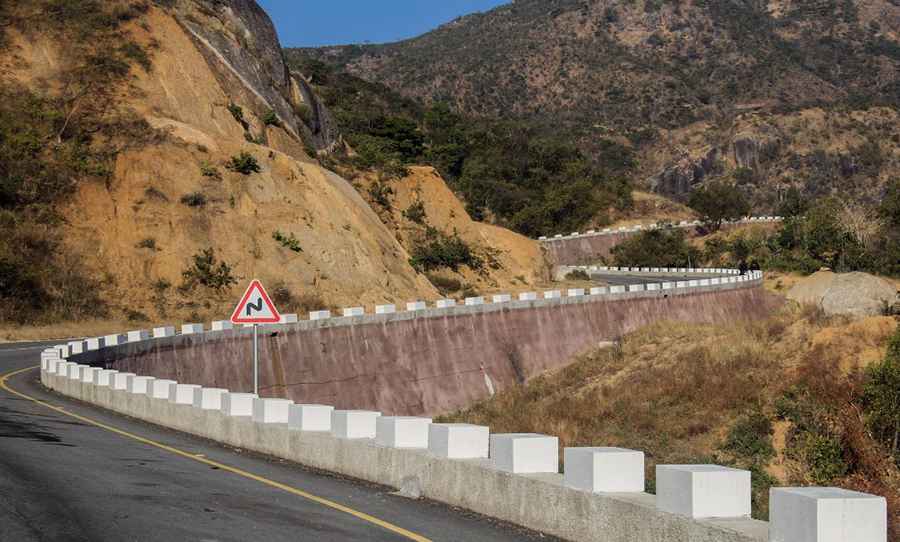
| Road facts: Serra da Humbia (EN 280-2) | |
|---|---|
| Location | Bibala to Lubango, Angola |
| Length | 108 km (67 miles) |
| Summit Section | 10 km mountain pass |
| Max Load Capacity | Designed for heavy granite transport |
| Status | Fully Paved (Rehabilitated 2016) |
Why is the road through Serra da Humbia essential for heavy transit?
The Serra da Humbia route was rehabilitated to resolve the high accident rate of heavy vehicles on the Serra da Leba. While Leba is known for its tight, scenic hairpins, it is structurally unsuitable for the transport of massive black granite blocks extracted in the Chicuatite region. The EN 280-2 through Humbia offers a wider, 7-meter carriageway and a 9-meter platform, allowing tractors and heavy trucks to bypass the dangerous switchbacks. This route has shortened the logistical transit between the desert and the plateau to approximately 90 minutes, providing a more stable and less crowded alternative for industrial logistics.
What are the technical characteristics of the Serra da Humbia ascent?
The most demanding section of the Serra da Humbia climb is a 10-kilometer stretch located at 14°43'14.6"S 13°28'03.6"E. The construction of this segment required complex rock blasting and the use of explosives to cut through the Serra da Chela formation. The pavement is reinforced with a 4-inch bituminous concrete layer over stabilized soil and laterite bases, specifically designed to withstand axle weights from heavy mining equipment. The mountain track includes four bridges and extensive drainage systems to manage the tropical rains that can affect the Humbia slopes during the wet season.
How to drive the Serra da Humbia mountain pass safely?
Driving through Serra da Humbia requires strict adherence to engine braking protocols, especially for fully loaded trucks. Although the road is modern and fully paved, the 1,000-meter elevation gain puts significant thermal stress on braking systems. The descent toward Bibala involves long, sustained gradients where the use of low gears is mandatory to prevent brake fade. Drivers must also navigate the urban access zones of Monhino and be cautious near the Moçamedes railway line, which runs parallel to the track in various sections of the mountain range.
Is the Serra da Humbia route open to all vehicles?
The road is open to all traffic, but it is the primary designated corridor for tractors, buses, and trailers. By separating light vehicles (which often continue to use Serra da Leba) from heavy-duty industrial traffic, the EN 280-2 has improved overall road safety in the region. The track is equipped with horizontal and vertical signaling and safety guards at critical exposure points. Since the route crosses remote areas of the Serra da Humbia, vehicles must be in optimal mechanical condition, as technical assistance is limited between the major hubs of Bibala and Lubango.
Road suggested by: jorge manuel gómez sánchez
Pic: Edson Silvestre