How to avoid wildlife collisions on forest and mountain roads
Driving through densely forested areas or mountain regions introduces sudden hazards due to large wildlife crossing the tarmac. Scanning the margins of the road and knowing how to execute a panic stop are critical to avoid severe mechanical damage along isolated routes.
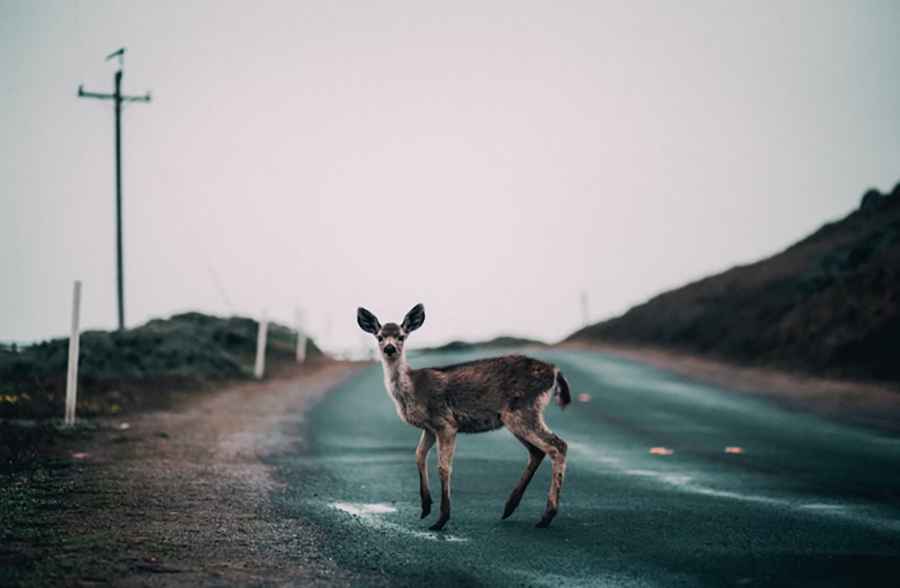
| Driving hazards: Wildlife crossing zones | |
|---|---|
| Peak Risk Hours | Dusk, dawn, and night hours |
| Road Terrain | Densely forested sectors and unfenced mountain pastures |
| Visual Clues | Eye shine reflections in the road periphery |
| Emergency Action | Straight-line hard braking (No sudden swerving) |
Why is braking in a straight line critical during a wildlife crossing?
The instinctive reaction to swerve suddenly at high speeds when an animal appears on the asphalt is a frequent cause of severe roll-overs or head-on crashes against trees or oncoming traffic. The correct mechanical procedure requires pressing the brake pedal to its absolute limit while keeping the steering wheel completely straight. Modern anti-lock braking systems (ABS) allow the vehicle to shed velocity rapidly while maintaining stable weight distribution across both axles.
How does vehicle speed affect impact force on forest roads?
Slowing down by just 10 to 15 km/h in marked wildlife zones significantly decreases the stopping distance required to avoid a collision. High speed reduces the time window between spotting an obstacle in the headlights and hitting it. Lowering the vehicle velocity before entering blind curves or unlit forest straightaways changes the outcome from a destructive frame-bending impact to a controlled emergency stop on the tarmac.
How can drivers spot animals early on dark routes?
During night drives, high-beam headlights reflect directly off the eyes of large animals, creating distinct twin points of light in the dark. Drivers must scan the dirt shoulders and roadside ditches continuously, rather than just staring at the center lines of the asphalt. Seeing these small reflections early provides the necessary seconds to lift off the throttle and pre-load the brakes before the animal attempts to jump onto the driving lane.
What are the immediate safety steps following a roadside incident?
If a vehicle disables after a collision in an isolated area, the site becomes an immediate hazard for trailing traffic. Drivers must pull the car as far onto the gravel shoulder as possible and deploy high-visibility warning triangles on the approach to the curve. Mountain roads often lack cellular mobile coverage, making it necessary to alert local road maintenance crews or wildlife authorities from the nearest town to clear the lanes.